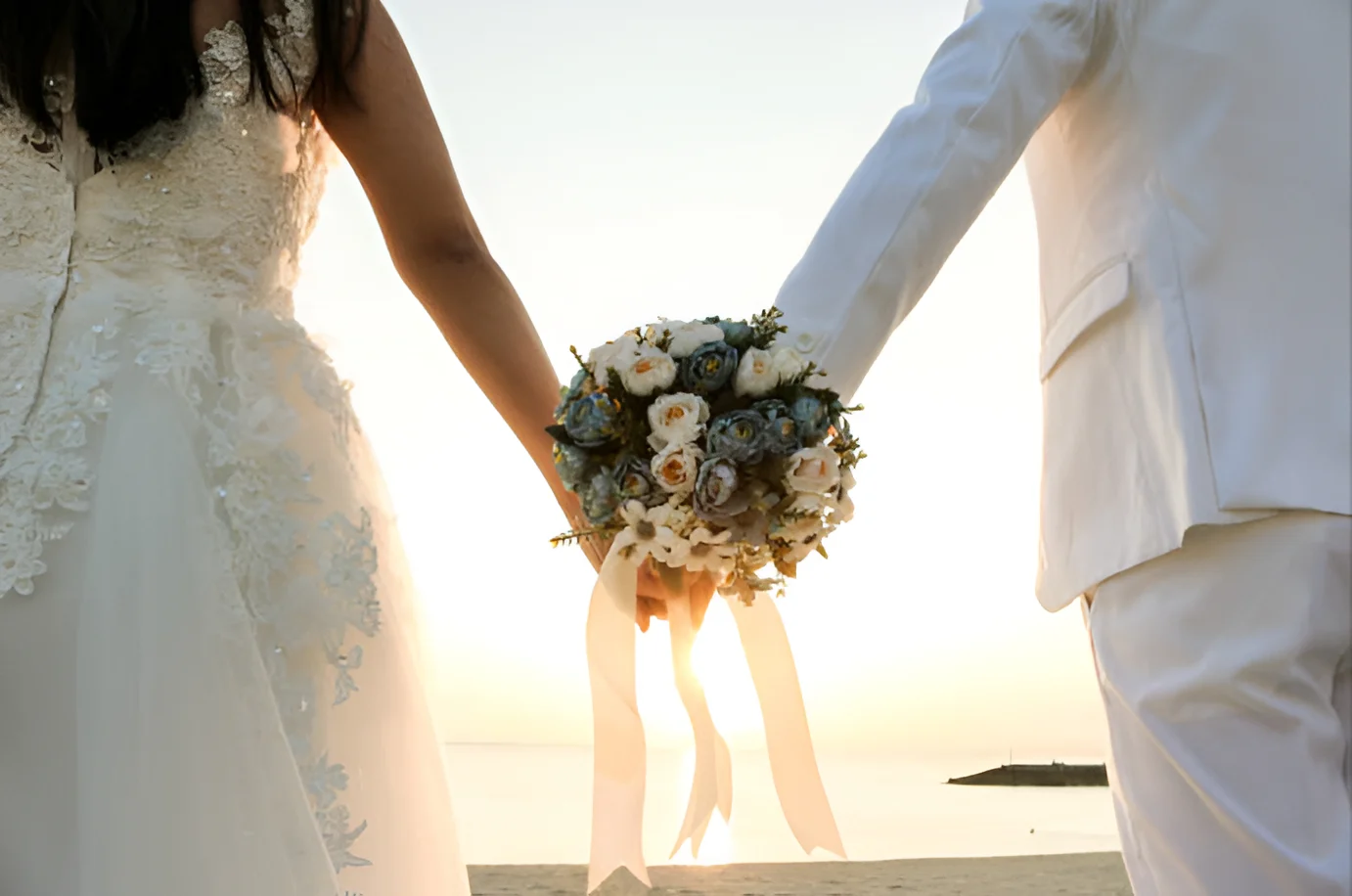
Asian Fusion Wedding Ideas That Honor Both Cultures
Luke D. • September 2, 2026
Create an Asian fusion wedding that honors your individual backgrounds while bringing traditions, families, and cultures together.
A wedding celebrates the union of two families, and for some couples, it also marks the merging of two cultures. There are countless ways you can incorporate cultural elements from both sides to make your wedding feel true to you. Here are our favorite ideas, from your initial engagement photos to your last dance of the night.
Engagement Photos: Highlight your cultures through fashion and aesthetic
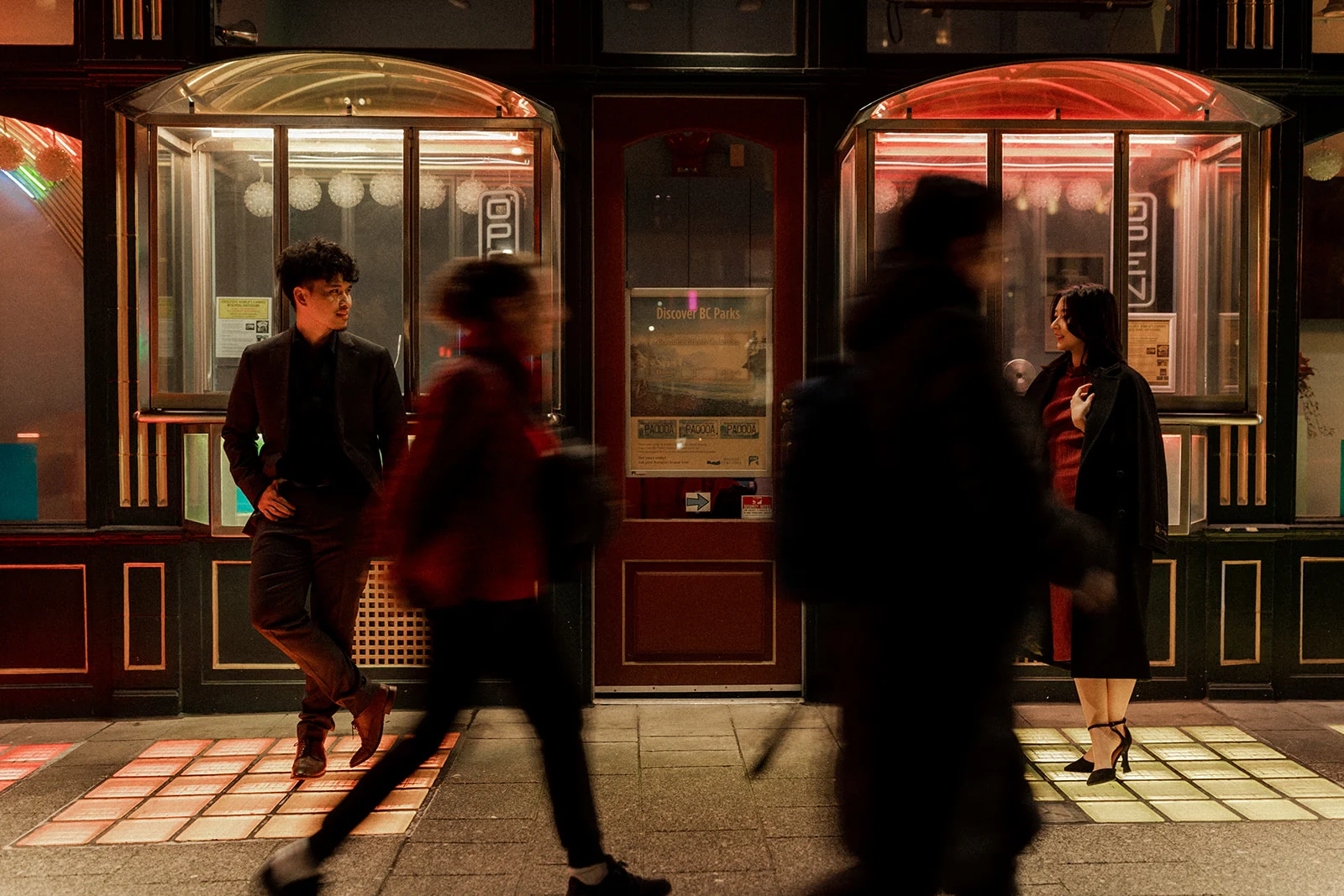
Engagement photos are a great way to incorporate your backgrounds into your wedding from the start, especially since these photos can be used for other parts of the wedding (save the dates, wedding websites, signage).
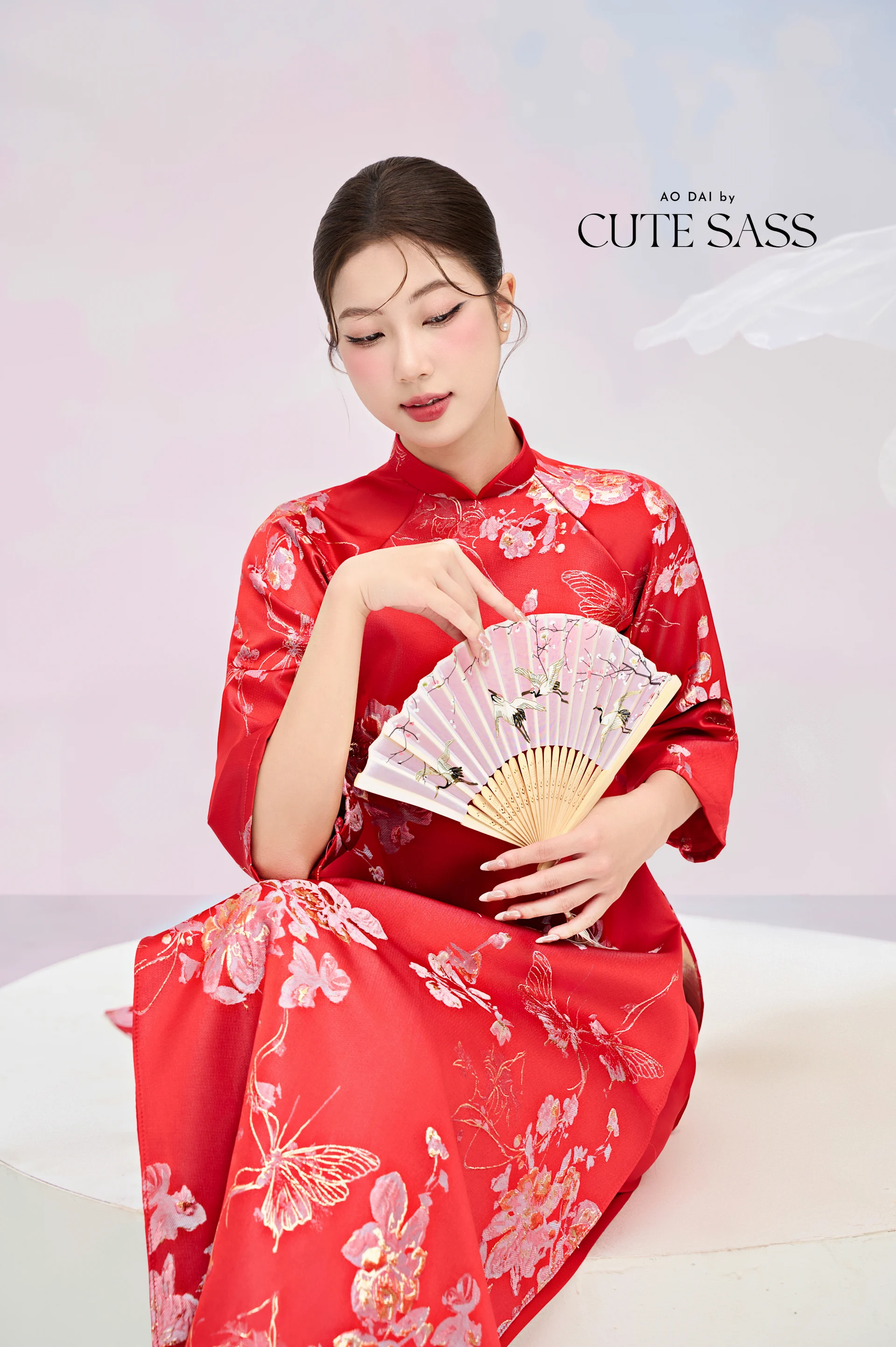
If your photographer allows outfit changes, you can do different shots wearing attire from each culture. Traditional dresses like cheongsams, ao dai, and hanboks, are a great way to incorporate your culture. There are also innovative clothing brands that make their own fusion garments. For instance, maaari makes apparel blending Western silhouettes with the fabric of a traditional barong.
You may also want to aim to recreate a specific aesthetic connected to your backgrounds. For example, Hong Kong-style engagement shoots are popular for capturing the feel of Wong Kar-wai movies.
Invitations: Use symbolism and language from your cultures
Your invitations can reflect you and your spouse’s traditions and backgrounds. One way to do this is to use custom-made wedding invitation templates. For example, you might buy a customizable Chinese wedding red-and-gold invitation template decorated with auspicious symbols, such as the Double Happiness character, and personalize it with your own wedding details.
Another idea is to use specific designs that best reflect your background. These designs may include a symbol that reflects your cultural background. One type of symbol is flowers such as plum blossoms (China and Southeast Asia), cherry blossoms (Japan), bougainvillea (Philippines), or hibiscus (China, Japan, India, Philippines).
You can also make your wedding invitation intercultural by making it multilingual. Including each of your family’s native languages on your invitation card can not only help you connect with more family members but also share your wedding's multiculturalism with your guests. If you have a wedding website or digital invites, you can set it up to support multiple languages so your family members can read it in their native language.
Wedding Day Attire: Traditional dresses and outfit changes
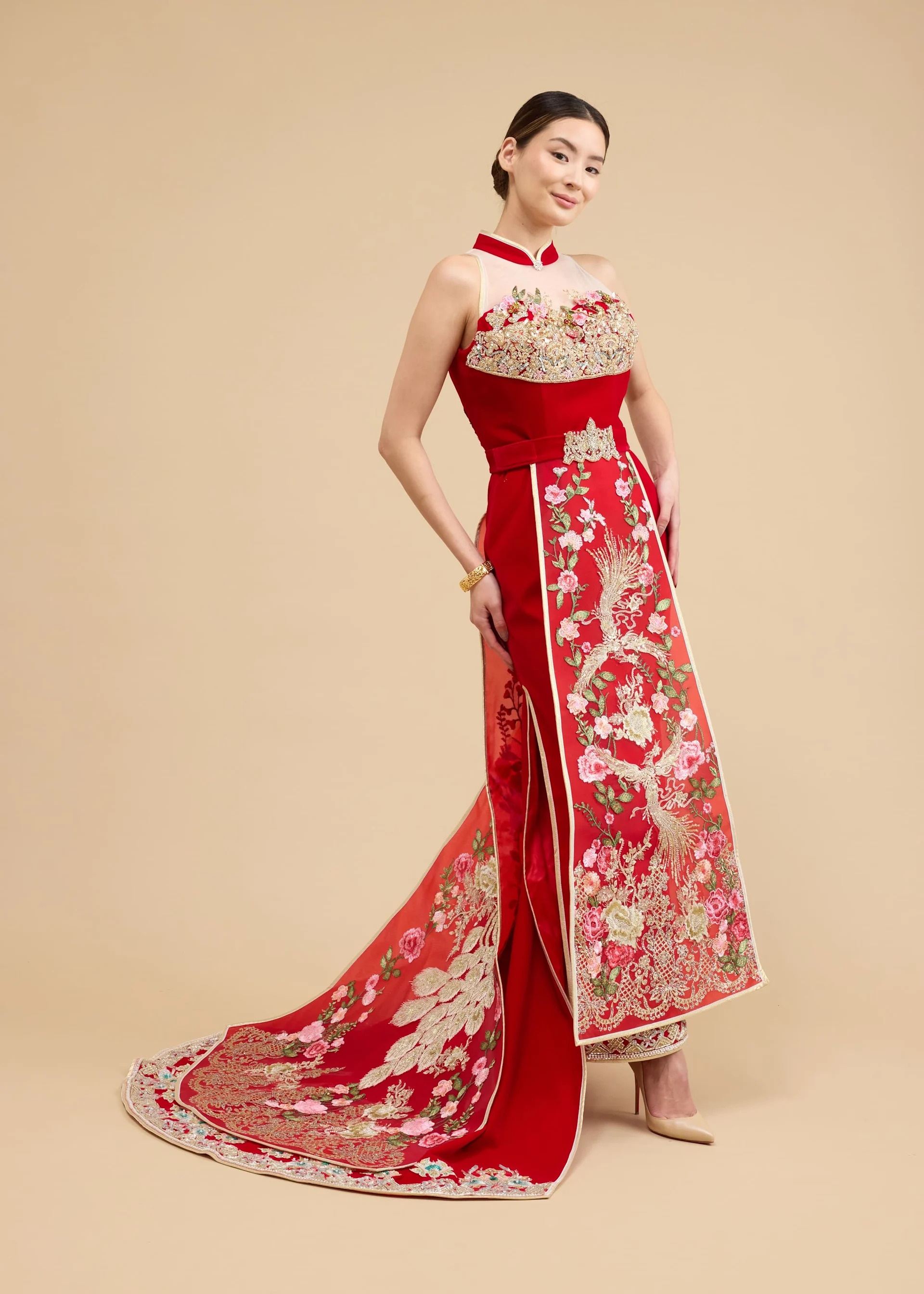
Wearing a wedding dress from your culture can be a meaningful way to make your clothing feel personal. For instance, this custom cheongsam honors the couple’s family and relationships.
If your budget allows, you might also choose different outfits for different parts of your wedding day: traditional attire for rituals like a tea ceremony or first dance, and Western attire for the wedding ceremony.
You can also dress your wedding party according to each family’s traditions. For example, if you are Vietnamese and your fiancé is Filipino, you and your bridesmaids might wear ao dais while your fiancé’s side might wear barongs.
Ceremony: Beyond Western vows and rings
The heart of the wedding! A typical Western wedding is centered around vows and a ring exchange. However, if you have a beloved ritual in your culture, a wedding might not feel complete without it. There are several ways to incorporate cultural rituals into your wedding.
Small additions to a Western ceremony
Some rituals are easy to incorporate into a Western ceremony. For example, the Filipino cord and veil ritual only takes a few minutes. Though the cord and veil ceremony is typically part of a Catholic wedding Mass, we've seen it added to secular and non-denominational ceremonies after the wedding vows.
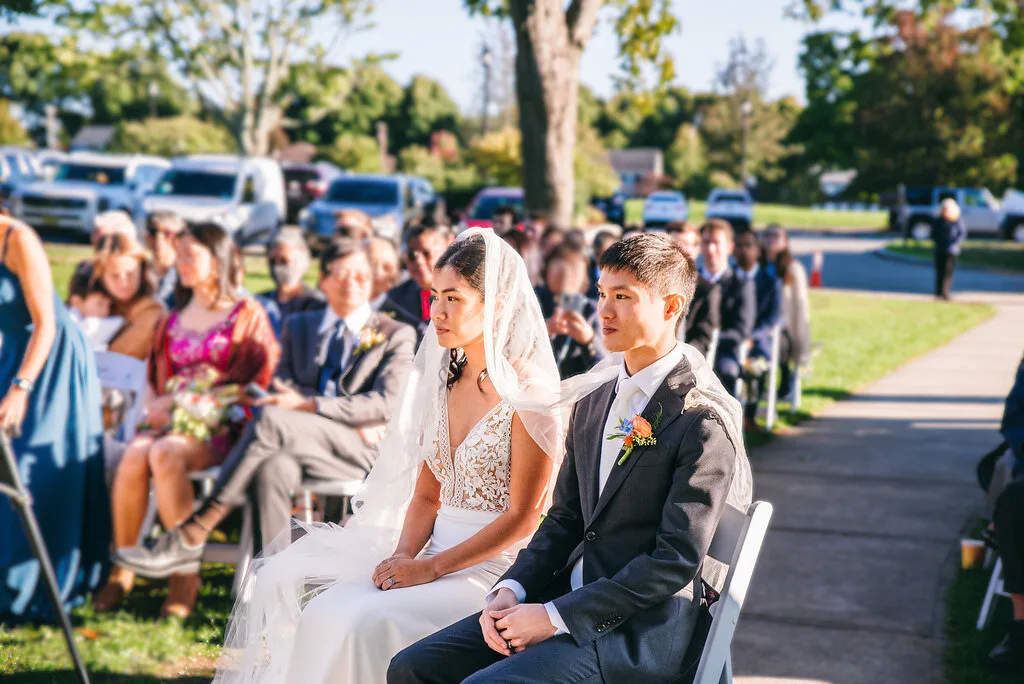
For a short ritual like this, a brief explanation in your wedding program is enough to keep your guests informed.
Hybrid ceremonies
Some cultural ceremonies are related enough that you may want to merge them into a new one. For example, Vietnamese, Chinese, and Korean cultures all have their own version of a tea ceremony, which takes place both before and after the official wedding ceremony. You can either go to a tea house for the ceremony or rent a tea ceremony set to have at home.
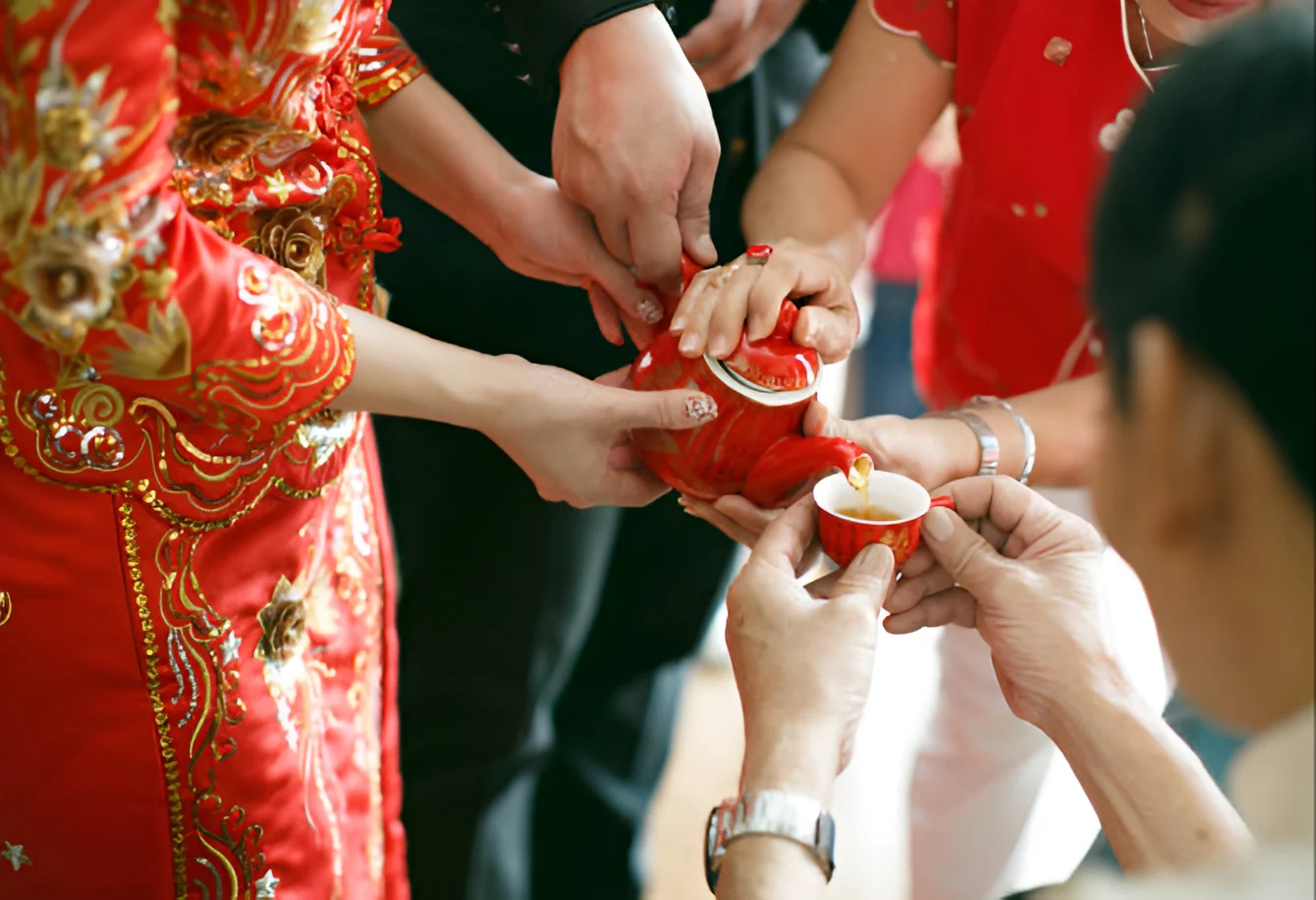
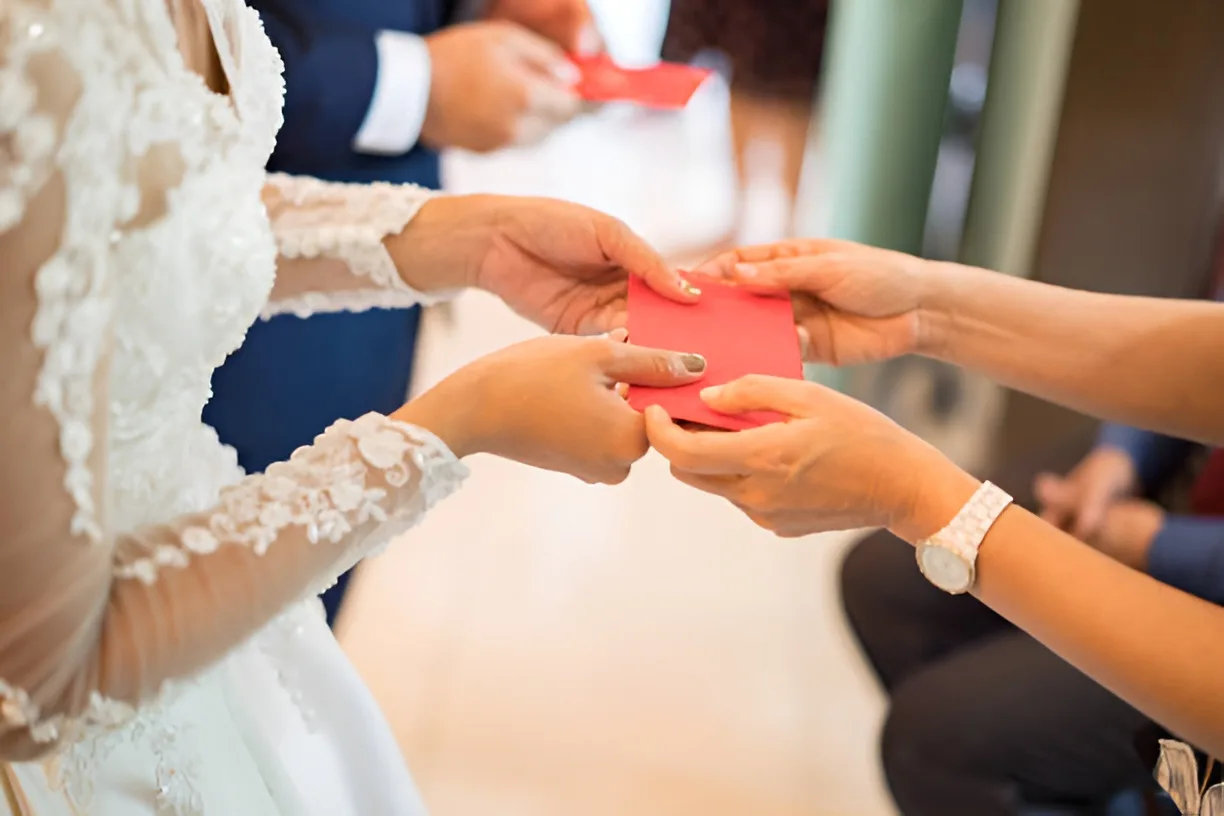
If you and your fiancé have different versions of a tea ceremony in your families, you can incorporate etiquette unique to each culture into a unified tea ceremony. For instance, you might include the Korean tradition of a piggyback ride (symbolic of the groom’s ability to care for the bride), or incorporate the red envelopes of Vietnamese and Chinese ceremonies. You can also wear the traditional attire for each of your respective cultures.
Separate ceremonies for separate traditions
Other rituals might be better suited to have their own separate ceremonies. This is especially true for families that hold specific religious practices. For example, the rituals of an Indian wedding are hard to blend with the structure of a Catholic wedding. In this case, it might be the most meaningful to both sides of your families if you have two ceremonies instead of one. If you do have multiple ceremonies, we recommend spreading them over multiple days if possible.
Cocktail Hour: Signature cocktails with traditional twists
Signature cocktails are a popular way to make cocktail hour feel personal. Often, each member of the wedding couple will have their own signature cocktail, according to their tastes and personalities. Why not add another layer and incorporate ingredients from your cultural heritage too?
Perhaps a Vietnamese coffee martini instead of an espresso martini, or a Seoul mule with soju instead of a Moscow mule with vodka. Citrus like lime or lemon can be switched with yuzu or calamansi. As non-alcoholic options become more popular, a boba bar or matcha cart are always crowd-pleasers.
Dinner: Buffets, Fusion Plates, and Dessert Tables
During the reception, you can incorporate multiple cultures with dishes from around the world that reflect your home. The simplest approach is also a crowd-pleaser: set up a buffet-style meal with distinct dishes from each culture. If you’re worried about picky eaters, this also allows guests to choose familiar foods that they recognize.
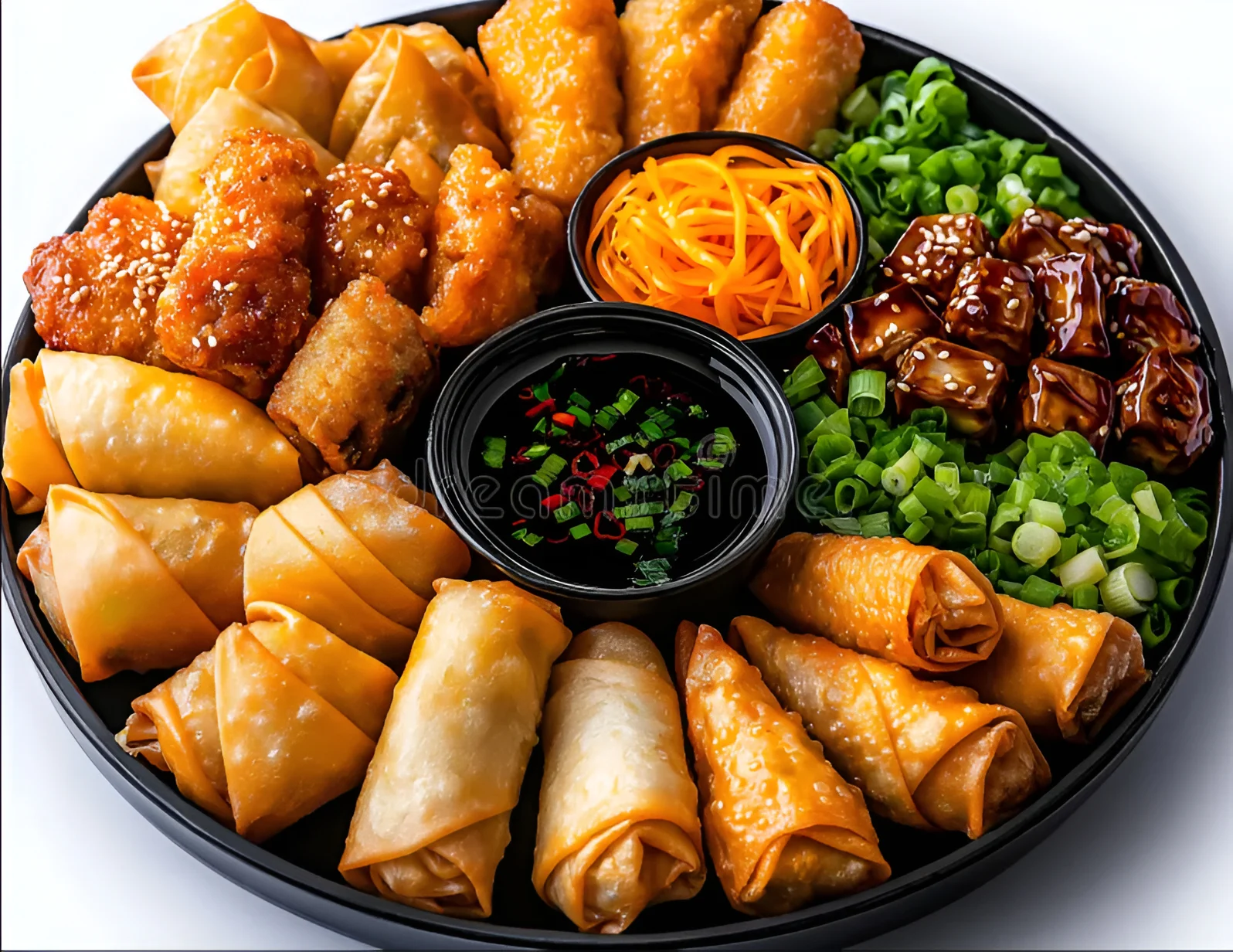
Certain dishes exist across many Asian cuisines, making them good candidates for a fusion dish. For example, you can serve Chinese jiaozi next to Korean mandu, or Vietnamese gỏi cuốn next to Filipino lumpia.
However, some wedding venues are strict about which caterers you can work with, which limits your dinner options. Desserts typically have more flexibility when it comes to vendors, so it may be the best place to let your respective cultures shine. Incorporate flavors that taste like home into your cake (a different flavor per cake tier, perhaps?) or make a dessert table with bite-sized favorites from both cultures.
Dancing: Get both families moving
Dance and music are another place for both cultures to shine. Build a playlist stacked with favorite hits from both of your backgrounds, so both sides of the guest list hear something that feels like theirs. A DJ who's already versed in at least one of your cultures helps too: they'll know the music better than a generalist would, and won't need as much hand-holding on what to play.
Traditional Dance Rituals
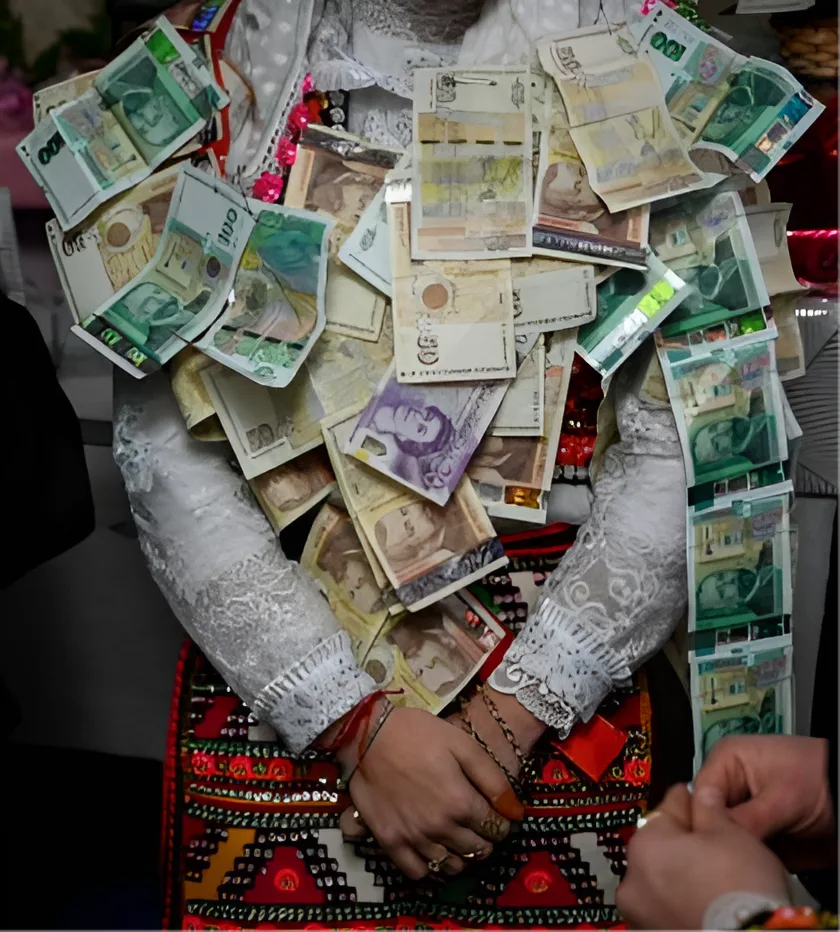
Some dance rituals are fun to incorporate after cake cutting as a transition to opening up the dance floor. For example, the Filipino money dance, a tradition where guests pin money to the newlyweds, is high-energy and encourages guests to get out of their seats and onto the dance floor.
Choreographed Routines
If there's a cultural dance you love, consider building a full choreographed number around it, either with just the wedding couple or the whole wedding party. In some South Asian traditions, this is its own pre-wedding celebration entirely, known as a sangeet.
Hired performers
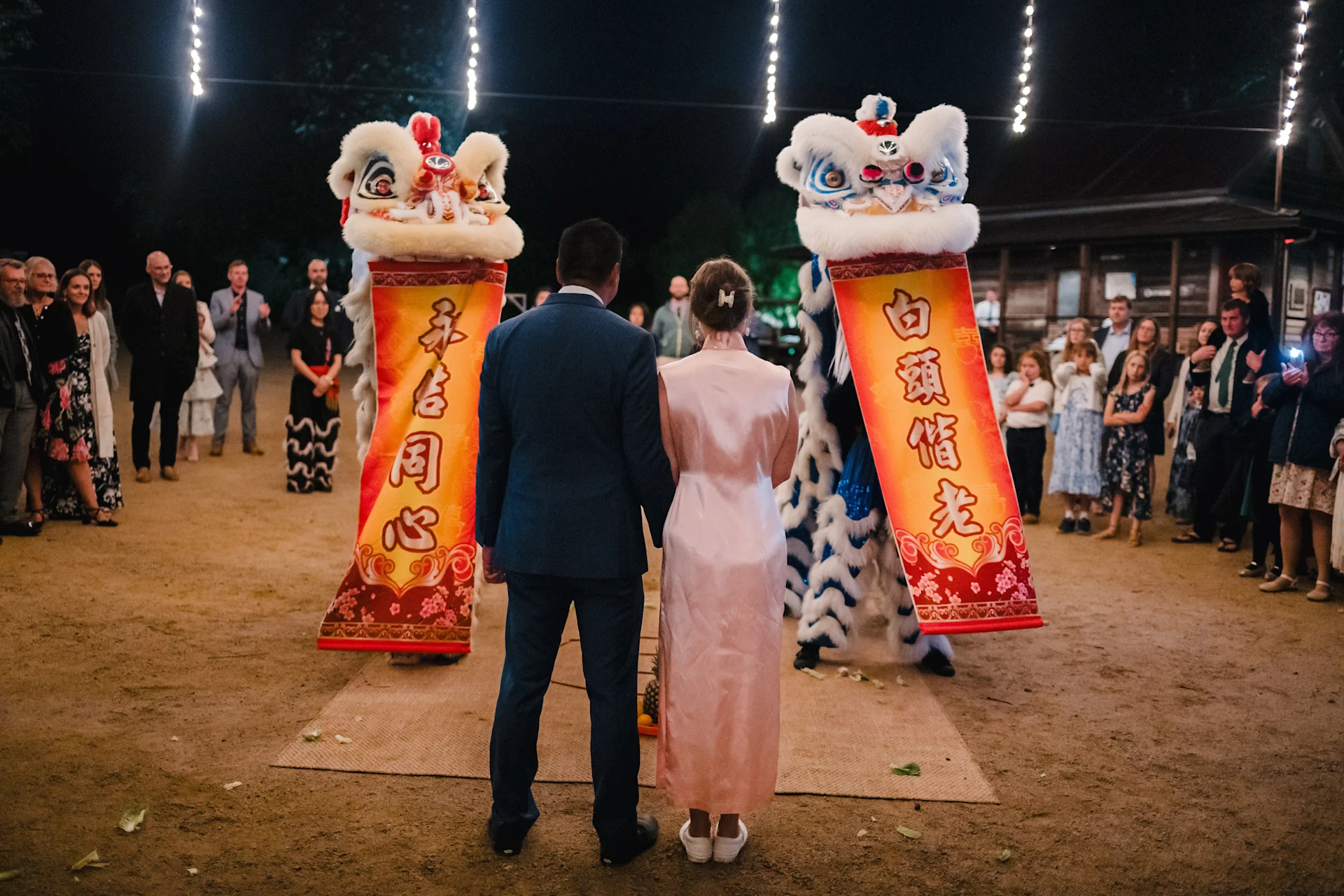
You can also bring in a dance group to perform, rather than participating yourselves. For example, a lion dance is a great addition to a reception: not only is it a fun show to watch, but you and your guests can interact with the lions. If lion dance troupes are hard to find, don't write off student troupes from nearby colleges.
Gifts to the Couple: Red envelopes, white envelopes, and everything in between
Monetary gifts show up across several Asian cultures, but the form varies: from Korean white envelopes, to Chinese and Vietnamese red envelopes, to Japanese envelopes with cords. Let both families present their envelopes in their own native language and format rather than standardizing on one type.
Wedding Favors: Send guests home with a piece of your cultures
You can also flip the usual envelope tradition on its head: instead of guests giving you money in an envelope, send them home with one from you, filled with a wedding favor instead of cash. There’s nothing like a red envelope with a lottery scratch card to bring out people’s inner child.
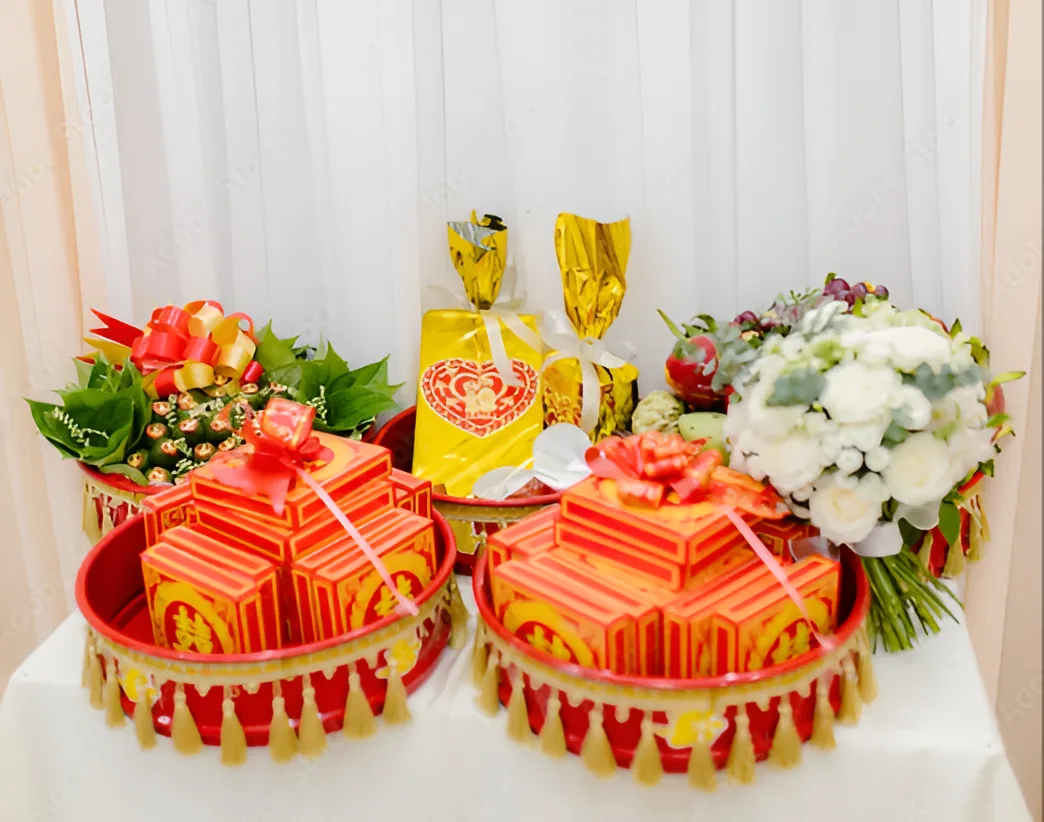
Wedding favors are also a great opportunity to support Asian-owned businesses. Maybe there’s a pandan-scented candle you love, or you have a favorite small-batch chili crisp. You can also pair your favorite traditional sweets from both cultures. For example, a Vietnamese-Filipino gift box might pair a mooncake and polvoron. Is a Chinese take-out box too cheesy as a gift box? You decide!
Create Your Own Unique Fusion Wedding
Remember, there is no right or wrong way to have an intercultural wedding. Every wedding is unique and it is about the meaning behind it which is bringing the families together. We have listed a few ideas but there are countless more ways in which you can incorporate the many countless traditions, customs, and cultures into your wedding. The most meaningful details are the ones that feel authentic to you and celebrate the beautiful combination of your lives.
Explore More Resources for the Asian Diaspora
We're excited to bring you blog posts that highlight the richness of the Asian Diaspora. We aim to create a space where you can find inspiration, tips, and stories that resonate with your unique experiences.
If you're in search of a makeup artist for your own wedding, we also have a directory of talented makeup artists who are experienced with Asian features. We hope it makes your wedding planning journey a little easier!
Find a Makeup Artist