The Cultural History of the Lion Dance and Their Roles in Weddings
Luke D. • February 27, 2026
A look into how the lion dance became a lasting celebratory tradition, a symbol of cultural heritage, and its meaningful part in wedding celebrations
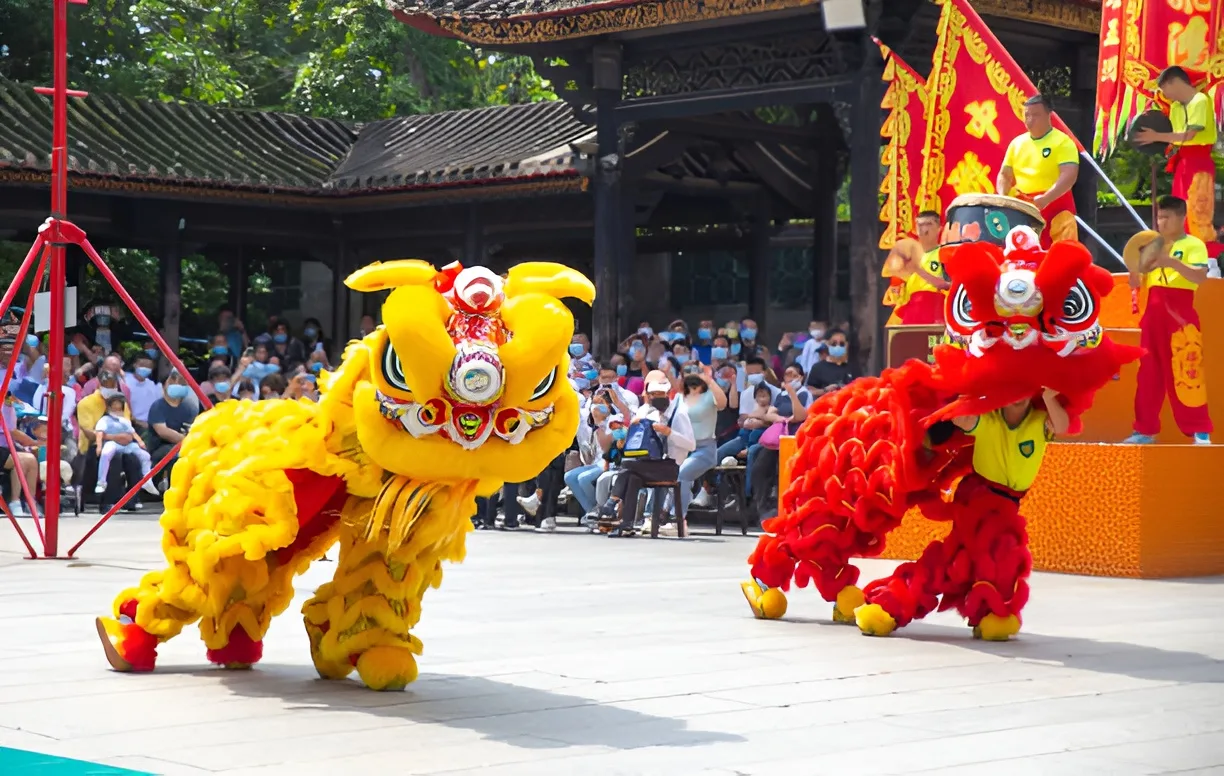
For more than a thousand years, the lion dance has marked moments of celebration and transition. What began as masked animal rituals in dynastic China evolved through centuries of cultural exchange into one of the most recognizable performance traditions in the world, performed today at celebrations like Lunar New Year and weddings. From its movements to its colors and costumes, each component of the lion dance builds on centuries of tradition and symbolism.
The History of the Chinese Lion Dance
Long before lions were part of Chinese culture, communities were already performing masked animal dances. Ancient texts describe performers dressed as wild beasts and phoenixes, and during the Qin dynasty, dancers wore bearskin masks in exorcism rituals. By the Han dynasty, performers known as “mime people” (象人) acted as fish, dragons, and phoenixes. Performing as animals was a way to express spirituality, protection, and reverence.
Because lions are not native to China, historians believe they were introduced from Central Asia during the Han dynasty through trade along the Silk Road and through tribute missions that presented lions and pelts to the imperial court. Once lions appeared in the court, they quickly became symbols of strength and protection.
By the third century AD, historical records mention “lion acts,” showing that performative lions were already developing. During the Northern Wei dynasty, lions became associated with Buddhism. One account describes a lion leading a procession carrying a Buddha statue to ward off evil spirits. Over time, the lion became a spiritual and ceremonial symbol.
The Tang dynasty marked a period when lion dance flourished. Court performances were grand and theatrical. One elaborate version, known as the “Lion Dance of the Five Directions” (五方師子舞), featured five enormous lions, each a different color and expressing a distinct mood. These performances included singers, dancers, and attendants who used red whisks to tease the lions. The smaller-scale performances entertained everyday communities. Artisans crafted intricate wooden heads, silk tails, and movable ears that allowed lions to appear expressive and lifelike.
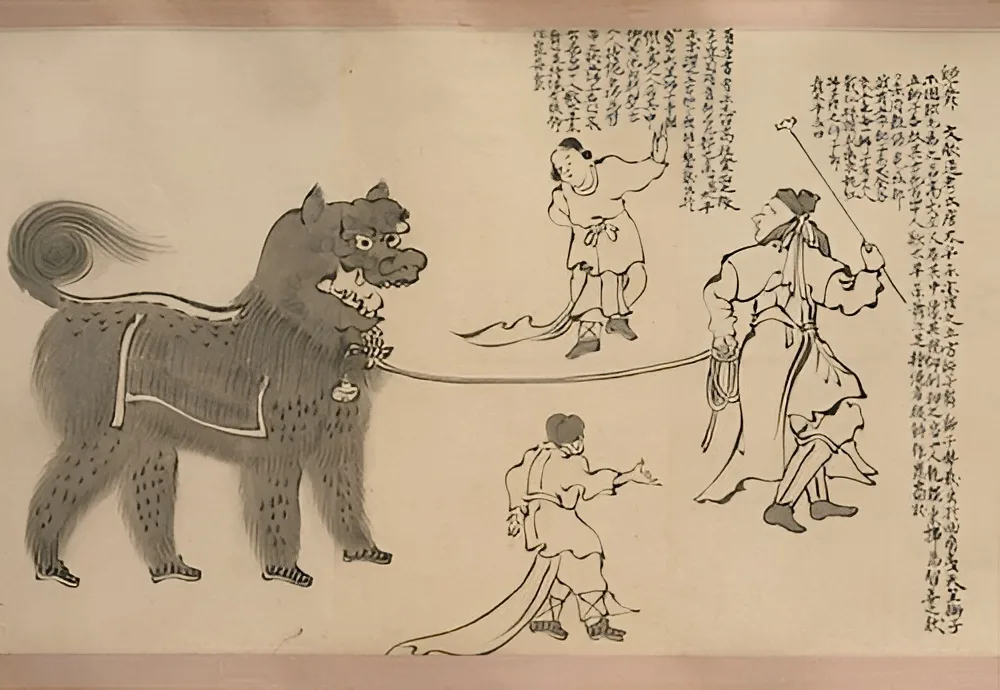
During the Song, Ming, and Qing dynasties, lion dance evolved into regional styles. The Northern Lion retained its acrobatic and courtly qualities, while the Southern Lion, which emerged in Guangdong during the Ming dynasty, became more stylized and more closely associated with martial arts traditions. By the Qing dynasty, lion dances were widely associated with good fortune and prosperity. Over time, the lion dance became a symbol of protection and strength.
How the Artistic and Ritual Components Shape the Lion Dance
Through its history, the lion dance developed both artistic complexity and cultural depth. The lion dance is shaped through carefully constructed performance traditions. Examining the costume, movement vocabulary, musical structure, and ritual practices reveals how the lion is continually brought to life.
The lion itself is operated by two performers who must move in complete synchronization. The dancer in the front controls the head, blinking the eyes, snapping the mouth, tilting the ears, and expressing personality through subtle gestures. The second dancer forms the body and tail, powering leaps, crouches, and sweeping turns that create fluid motion. The colors of the head carry symbolism as well. Bright red signals joy and celebration, gold represents prosperity, and small mirrors placed on the forehead are believed to ward off negative energy.
Martial arts training is at the heart of lion dance. Most performers train in kung fu, and every jump, lift, and grounded stance reflects disciplined practice in which their athletic ability and skills are coordinated with timing and intention. When the lion approaches slowly, bows three times, or circles a couple during a wedding performance, each movement is deliberate and meaningful rather than random.
The music plays a central role in guiding the performance. Drums, cymbals, and gongs provide background sound as well as lead the lion’s actions. A slow, steady rhythm may signal the lion's awakening or cautious approach. Faster rolling beats heighten excitement and intensity. The drumbeat becomes the lion’s heartbeat, filling the room with energy that draws the audience into the celebration.
One of the most anticipated moments during a lion dance is the ritual known as cai qing in Mandarin or choi chiang in Cantonese, which means “plucking the greens.” In this ritual, the lion approaches a bundle of lettuce, “eats” it, and then scatters it outward. The symbolism is rooted in language, as the word for greens sounds like the word for wealth. By gathering and tossing the greens, the lion symbolically spreads prosperity and good fortune to everyone present.
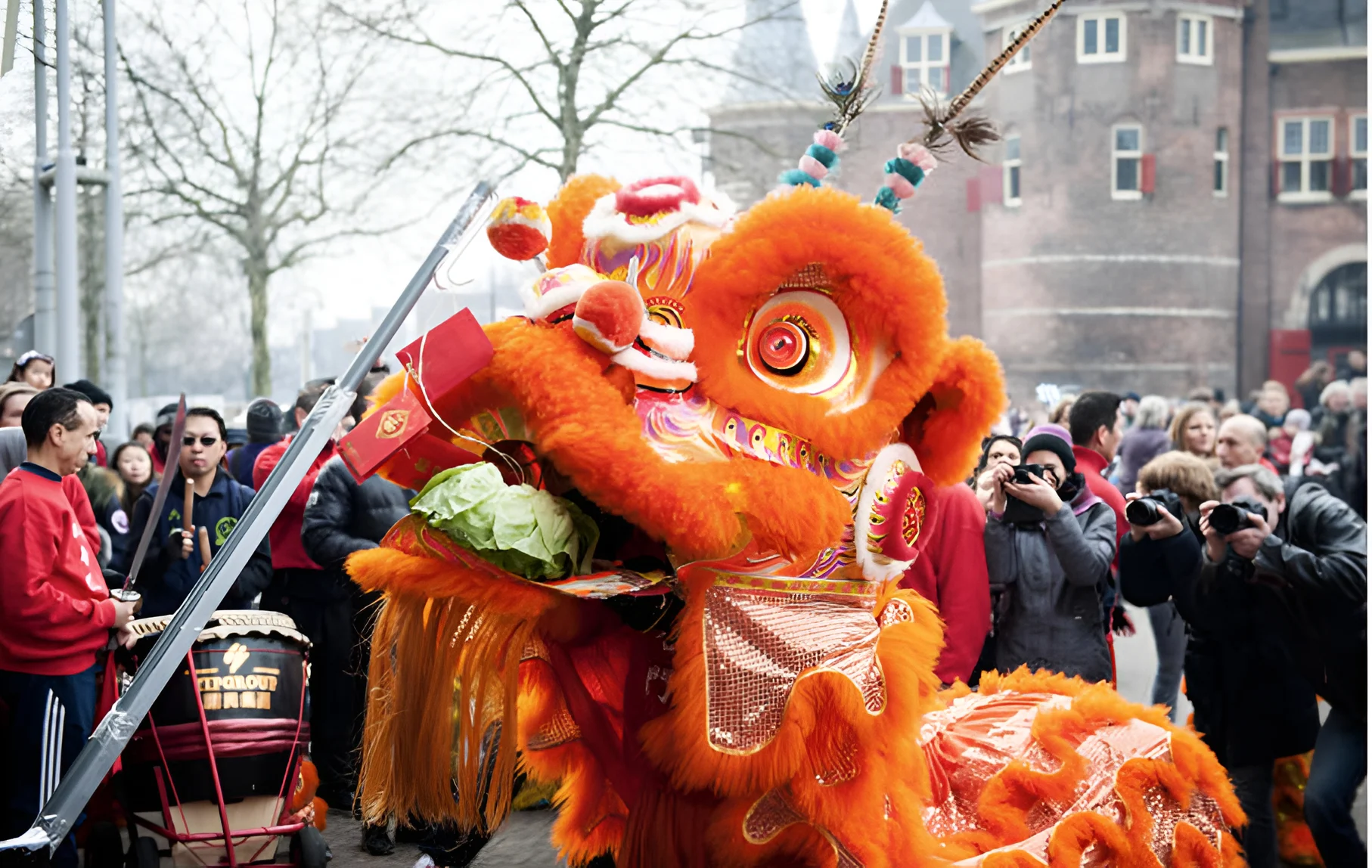
The way this ritual is performed can vary depending on the troupe's skill and the venue. Sometimes the greens are hung high above the ground, requiring dancers to leap, climb, or balance on platforms. Other times, they are placed at floor level, allowing for a more intimate and grounded interaction. In some advanced performances, the greens are woven among obstacles to showcase acrobatic and martial arts mastery. The ritual typically ends with the lion bowing to the couple, blending artistry, symbolism, and blessing into one unforgettable moment.
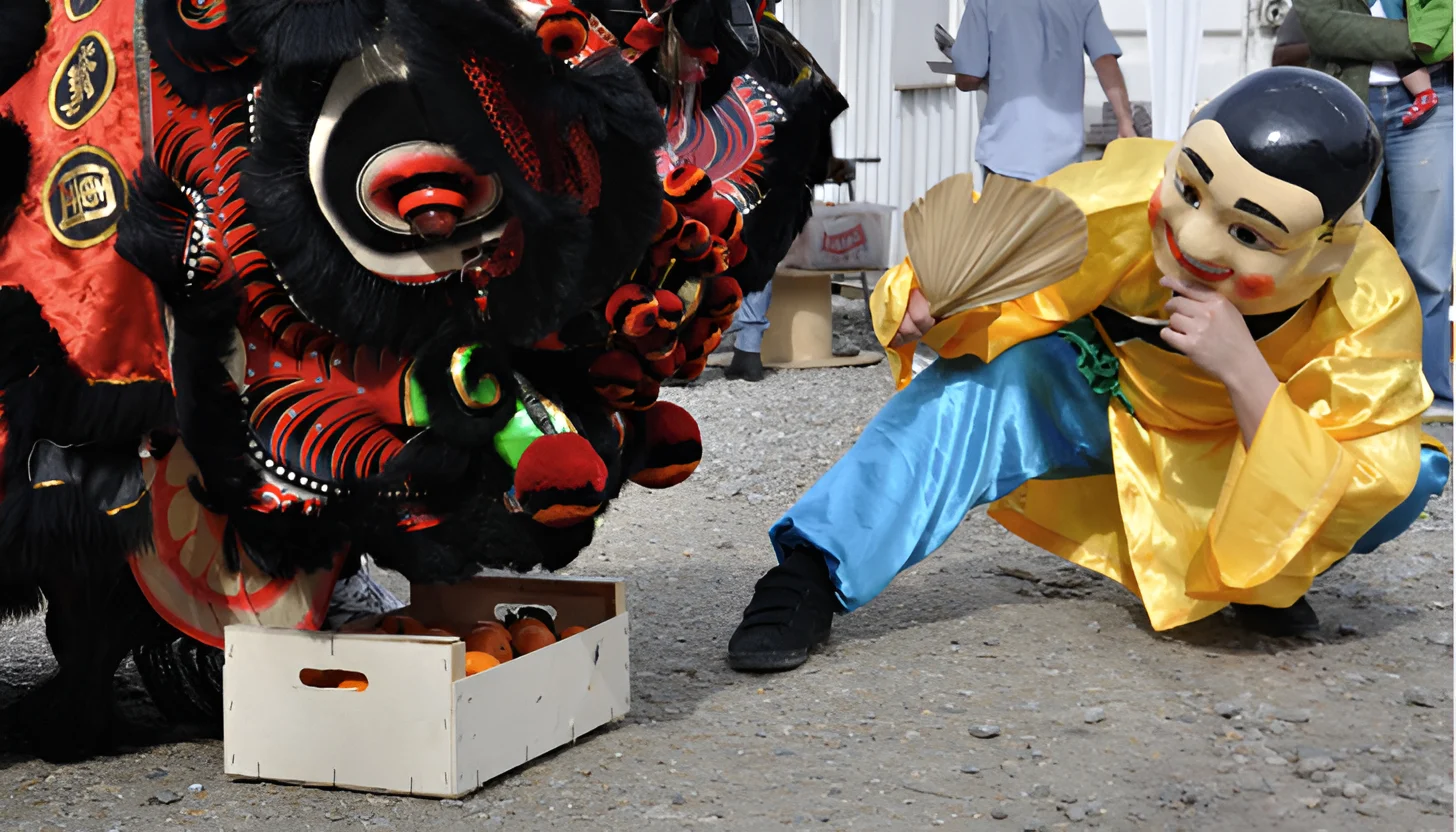
You may also see a cheerful character with an oversized smiling head accompanying the lion. Often called the Big Head Buddha, the character is associated with Buddhist monks who were believed to have trained the earliest lion dancers in martial arts. This figure teases and guides the lion, occasionally calming it while adding humor and warmth to the performance. The interaction reminds everyone that joy is central to the celebration.
How Different Chinese Regional Styles Shape the Lion Dance?
As these elements of costume, movement, and ritual developed, the performances’ traditions also evolved across different regions of China and adapted the lion dance in unique ways, giving rise to the distinct regional styles.
The Northern Lion Dance grew from imperial court traditions in northern China. Its appearance is shaggy and more naturalistic. Performances are lively, acrobatic, and theatrical, often featuring pairs of lions playing with embroidered balls and leaping across platforms. The energy is playful and whimsical, reflecting its roots in court entertainment.
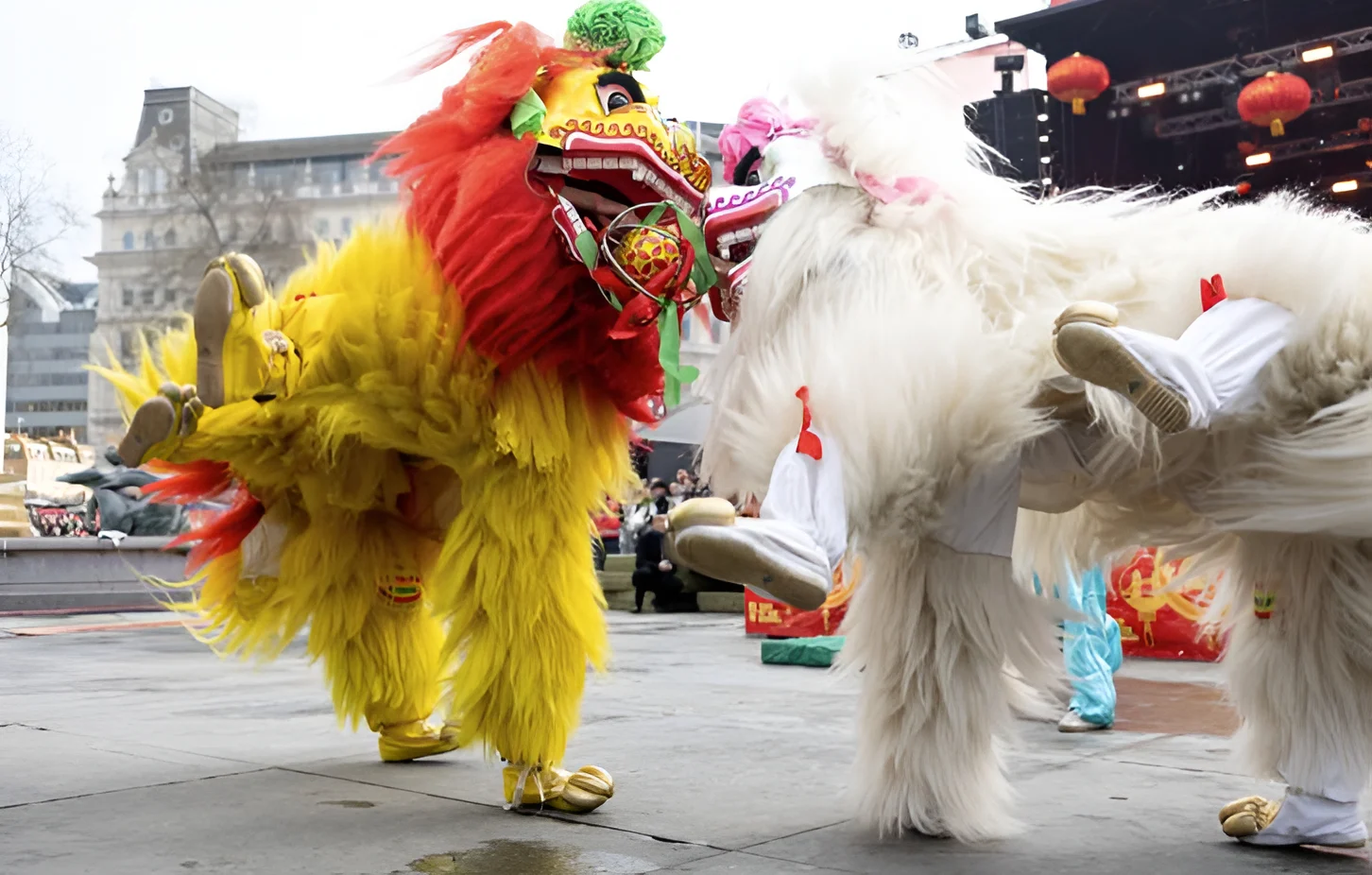
The Southern Lion Dance developed in Guangdong during the Ming dynasty. This style is bold, stylized, and expressive. The lion’s head features exaggerated eyes, mirrors, fur trim, and vivid colors, each detail carrying symbolic meaning. Movements are grounded and martial-arts-based, with deliberate footwork that gradually reveals the lion’s personality. The Southern style is the one most commonly seen at Chinese American weddings, particularly within Cantonese communities.
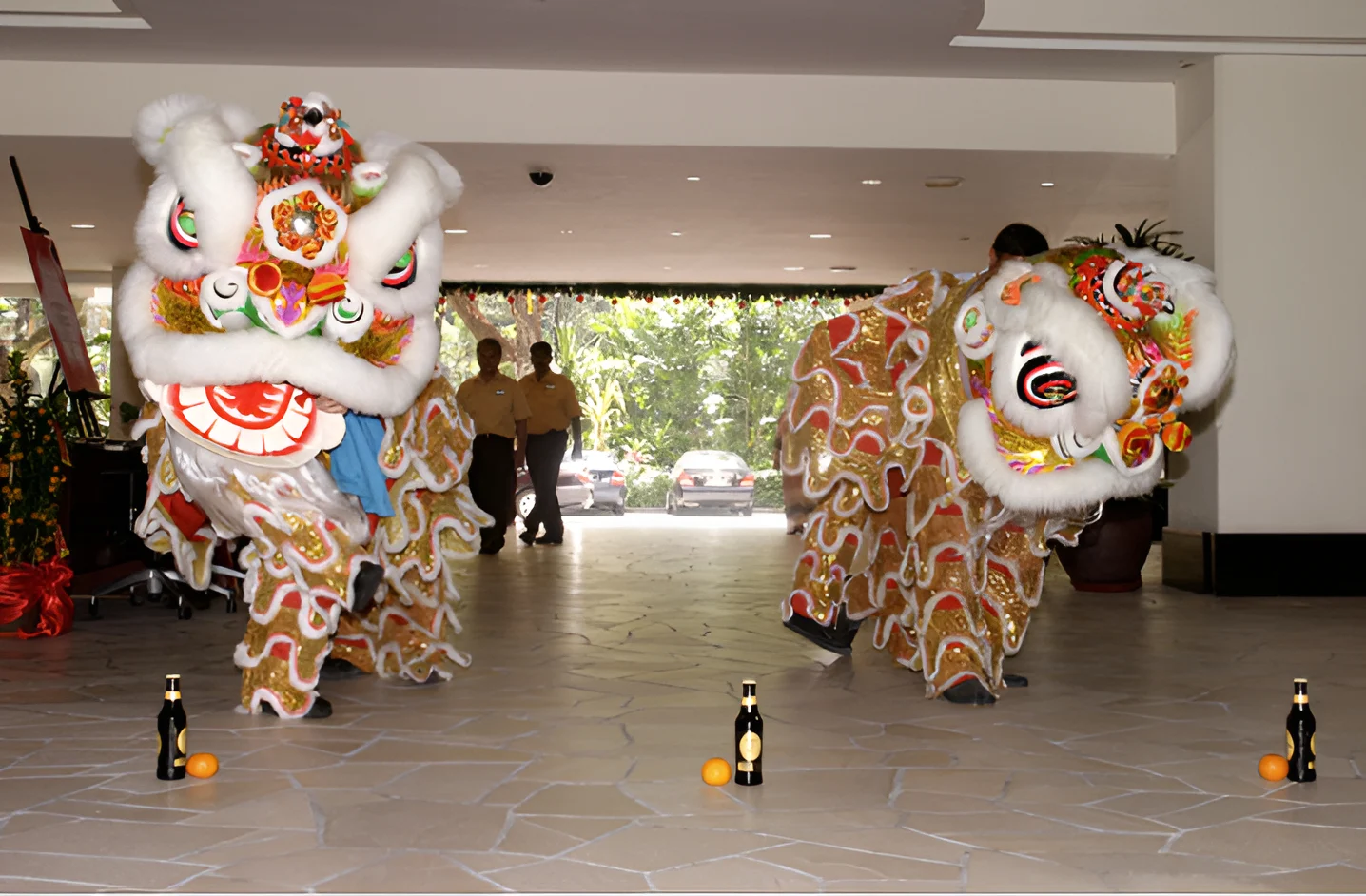
Though the Northern and Southern lions differ in costume, movement, and mood, they both come from China’s long history of ritual, storytelling, and community celebration. Together, they form the foundation of the Chinese lion dance.
In What Ways Did Other Asian Cultures Adapt the Lion Dance Tradition?
Lion dancing did not only evolve and adapt within China. The performance also appeared in other Asian countries through trade, migration, and cultural exchange, with each country developing its own forms and significance.
Vietnam
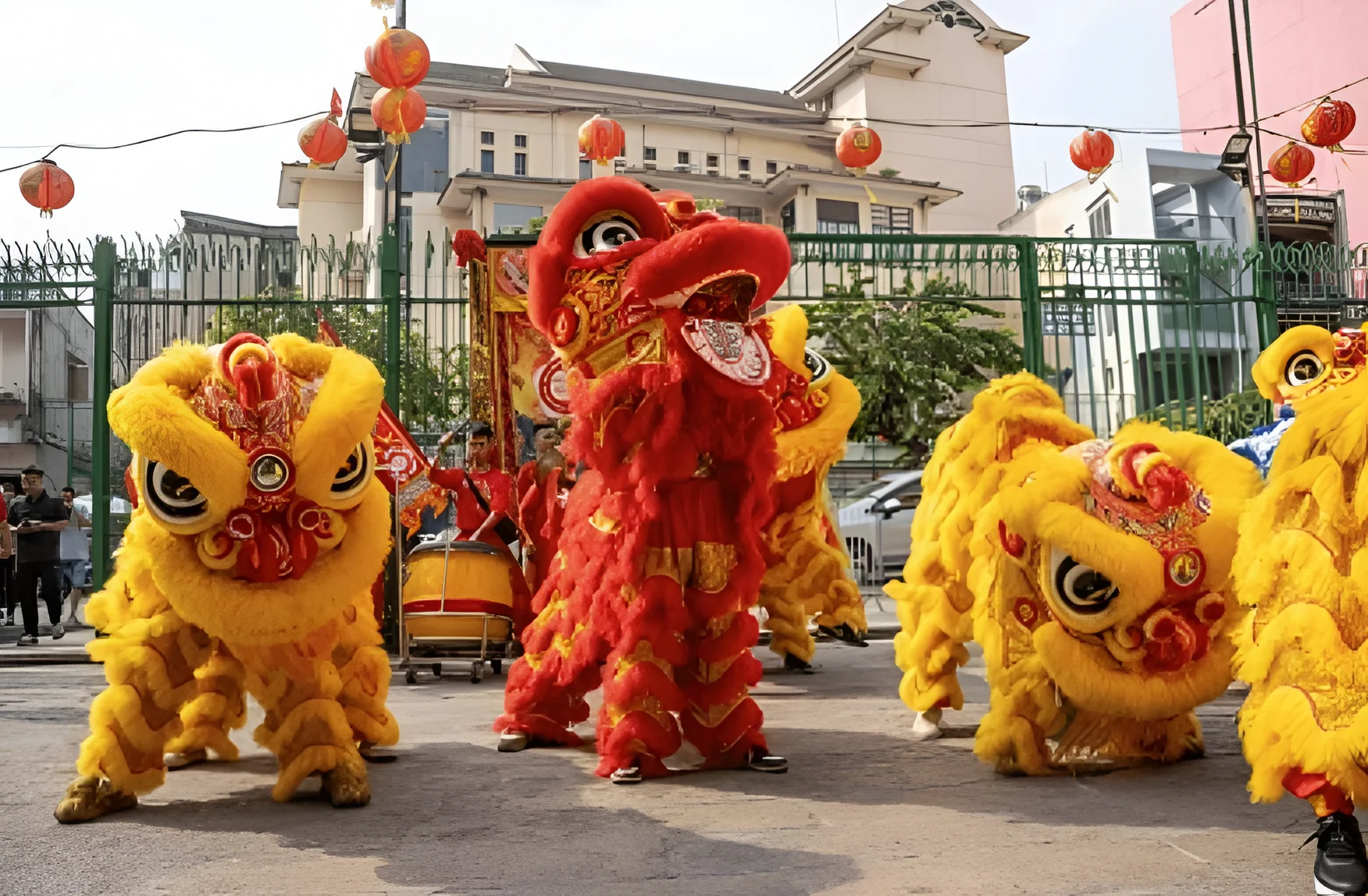
In Vietnam, lion dance was introduced primarily through migration and trade from southern China, particularly from Cantonese-speaking regions. Over time, it evolved into distinctly Vietnamese forms performed during major festivals such as Tết (Lunar New Year) and the Mid-Autumn Festival. The Southern-style lion, known as múa lân, is most common, while Northern-style forms are referred to as múa sư tử. Vietnamese performances combine acrobatic skill, storytelling, and playful interactions, often including characters who tease or guide the lion to entertain and bless the crowd. Although the tradition was imported, the Vietnamese lion dance has adapted local aesthetics, music, and choreography, making it a unique cultural expression while maintaining the original themes of good fortune, protection, and communal celebration.
Japan
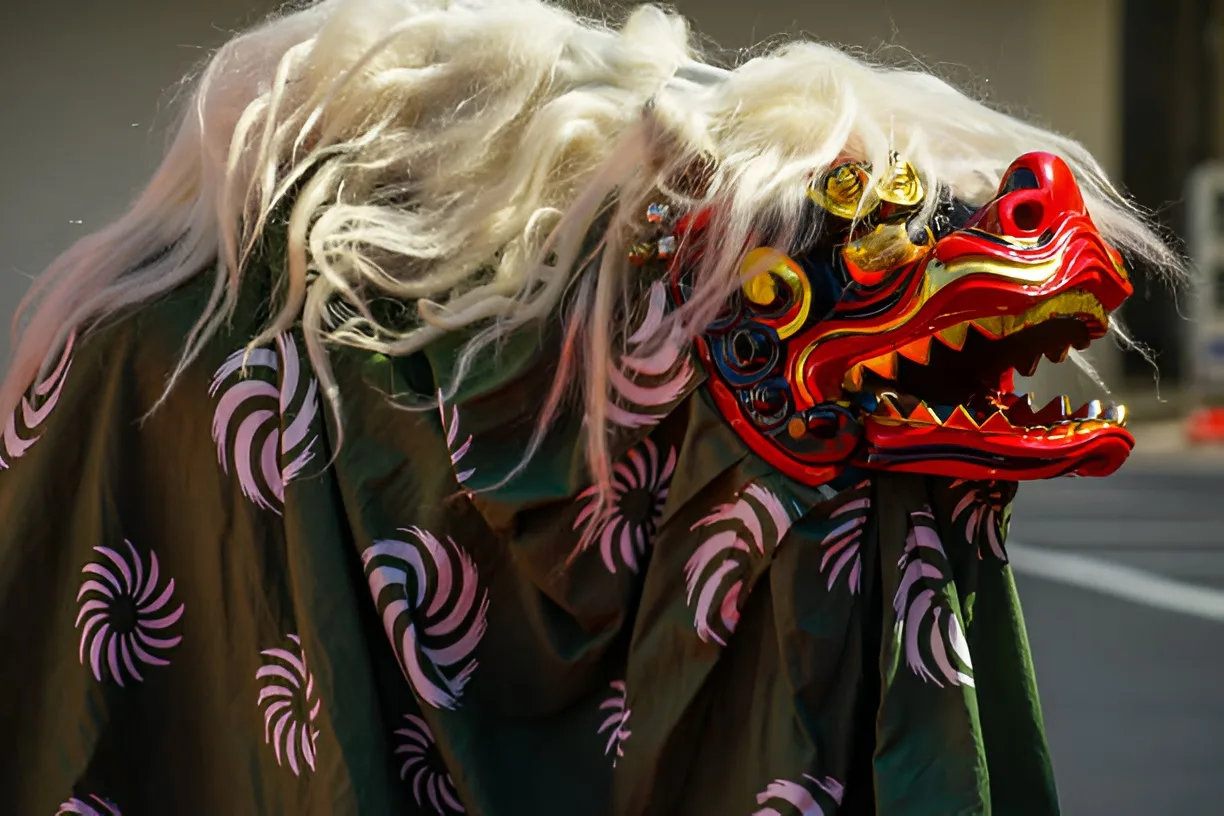
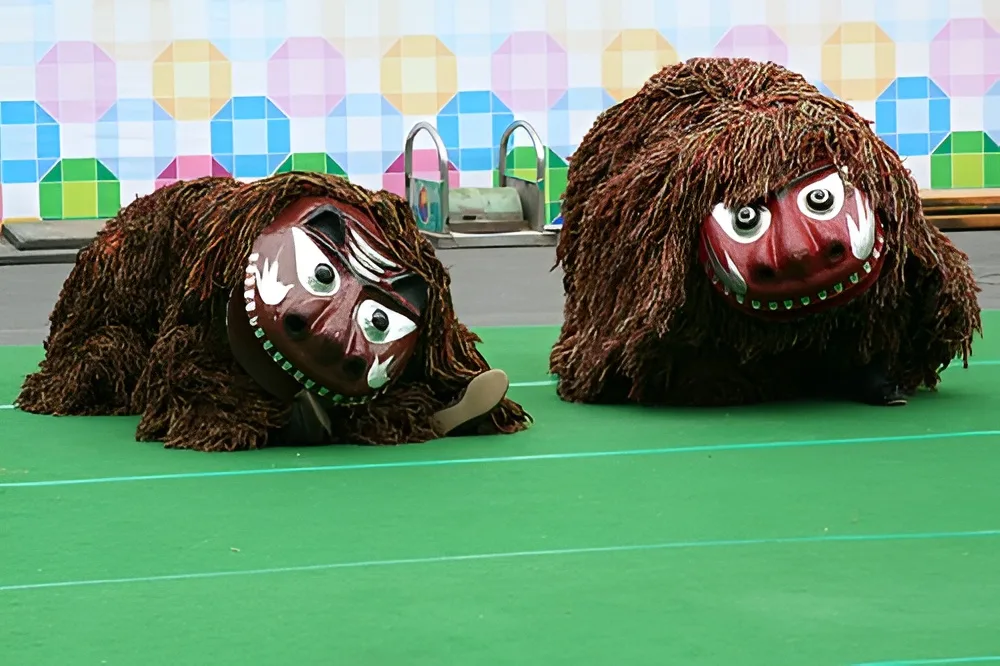
Lion dance, or shishi-mai, was introduced to Japan during the Asuka period (6th–8th centuries) through cultural exchange with China and the Korean kingdoms, especially Baekje, which served as a bridge for continental performing arts. The earliest documented performance took place in 752 at the dedication ceremony of Tōdai-ji in Nara, part of a ritual associated with Buddhism. Over time, shishi-mai became incorporated into local traditions, including Shinto festivals and theatrical forms such as noh and kabuki. Japanese lion dances typically feature a single performer operating a wooden lion head attached to a flowing cloth body, and the lion’s “biting” of participants is a playful gesture believed to bring good luck. Today, there are hundreds of regional variations across Japan, each with its own costumes, choreography, and performance context, but all retain the core themes of blessing, protection, and celebration.
Korea
Korean lion dancing developed through layered cultural exchange across Asia. The earliest record of lion dancing is sanye (狻猊) in the 12th-century historical text Samguk Sagi, which documents traditions of the earlier Silla kingdom and references a 6th-century piece called “The Lion’s Talent.” Most historians view Korean lion-dancing traditions as having developed through cultural interaction with China and Central Asia before being incorporated into Korea’s own masked dance dramas and ritual practices. By the Goryeo dynasty, lion performances such as saja noreum were associated with Lunar New Year exorcism rites, evolving into distinctly Korean forms while preserving shared themes of protection and blessing.
How Did Immigration Shape Lion Dance in the United States and Canada?
As communities migrated around the world, they carried their cultural traditions with them, including the lion dance. Immigrant groups who had grown up with lion dancing as part of festivals, rituals, and community life brought those practices to new countries, adapting them to new contexts while preserving their core meaning. Chinese immigrants offer one of the most well-documented examples of this process in North America.
In the mid-1800s, Chinese immigrants, particularly from Southern China, began to settle in the United States and Canada. Along with their community and culture, they brought the practice of lion dancing. In cities such as San Francisco, Houston, Seattle, and Vancouver, the immigrants kept the tradition alive by performing lion dances during Lunar New Year and other celebrations, often stopping at shops and businesses where drums, gongs, and cymbals drew crowds and symbolically brought good fortune while chasing away bad spirits.
In Seattle’s Chinatown during the 1860s, lion dancing became part of local festivities. In San Francisco, lion dancing has been performed at Lunar New Year and community celebrations since the mid‑1800s, becoming part of the city’s iconic Chinese New Year Parade and Festival. In Houston, lion dancing has a long history of community presence, with troupes such as Lee’s Golden Dragon Lion & Dragon Dance Association performing for nearly 50 years and helping keep traditional Chinese lion dance visible at Lunar New Year celebrations and cultural events across the city.
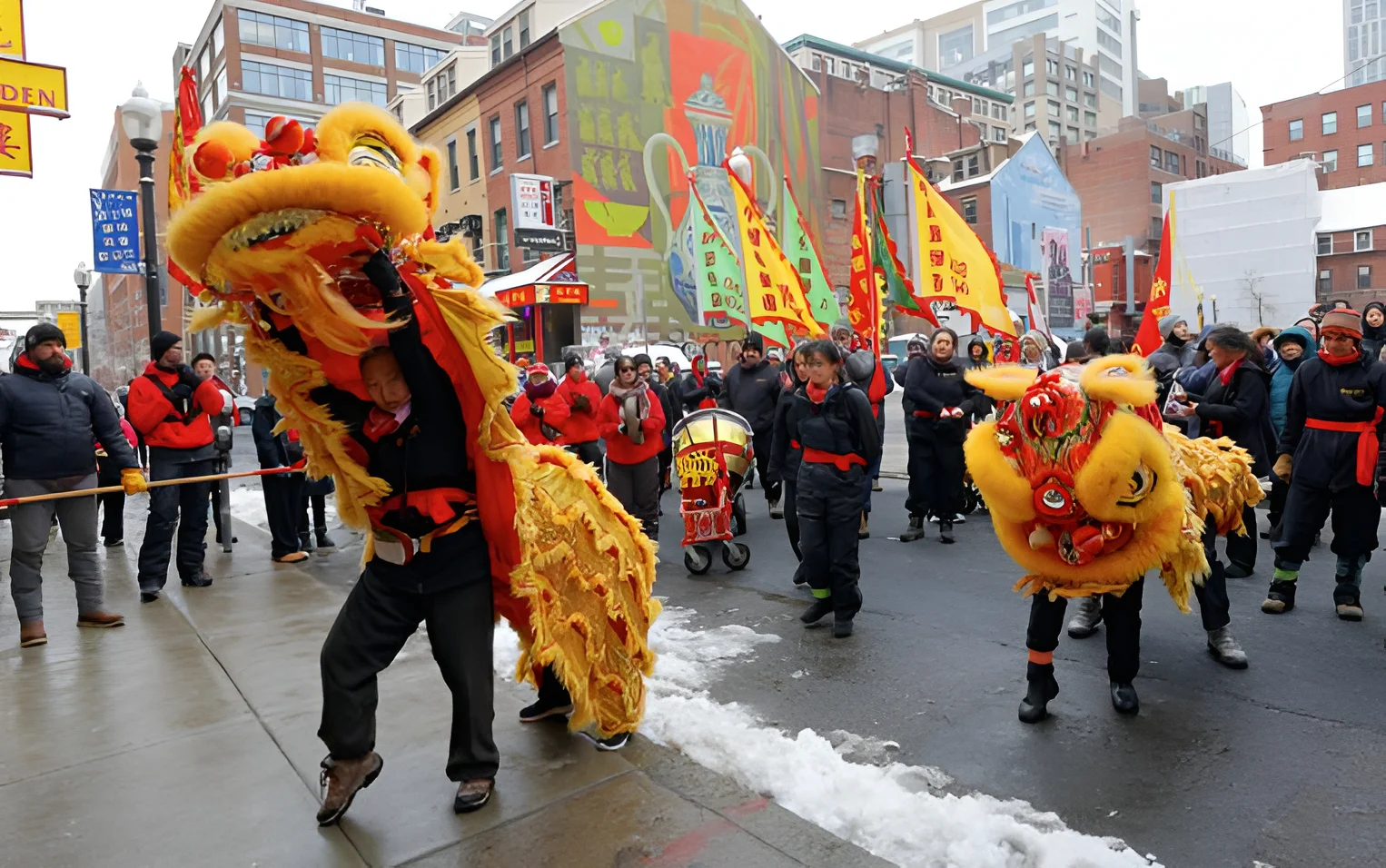
In Canada, lion dance troupes, such as Vancouver’s traditional teams that perform at Lunar New Year parades, university events, and cultural festivals, and schools like the Hong Luck Kung Fu Club, have been training lion dancers and performing their dances in Toronto since the 1960s.
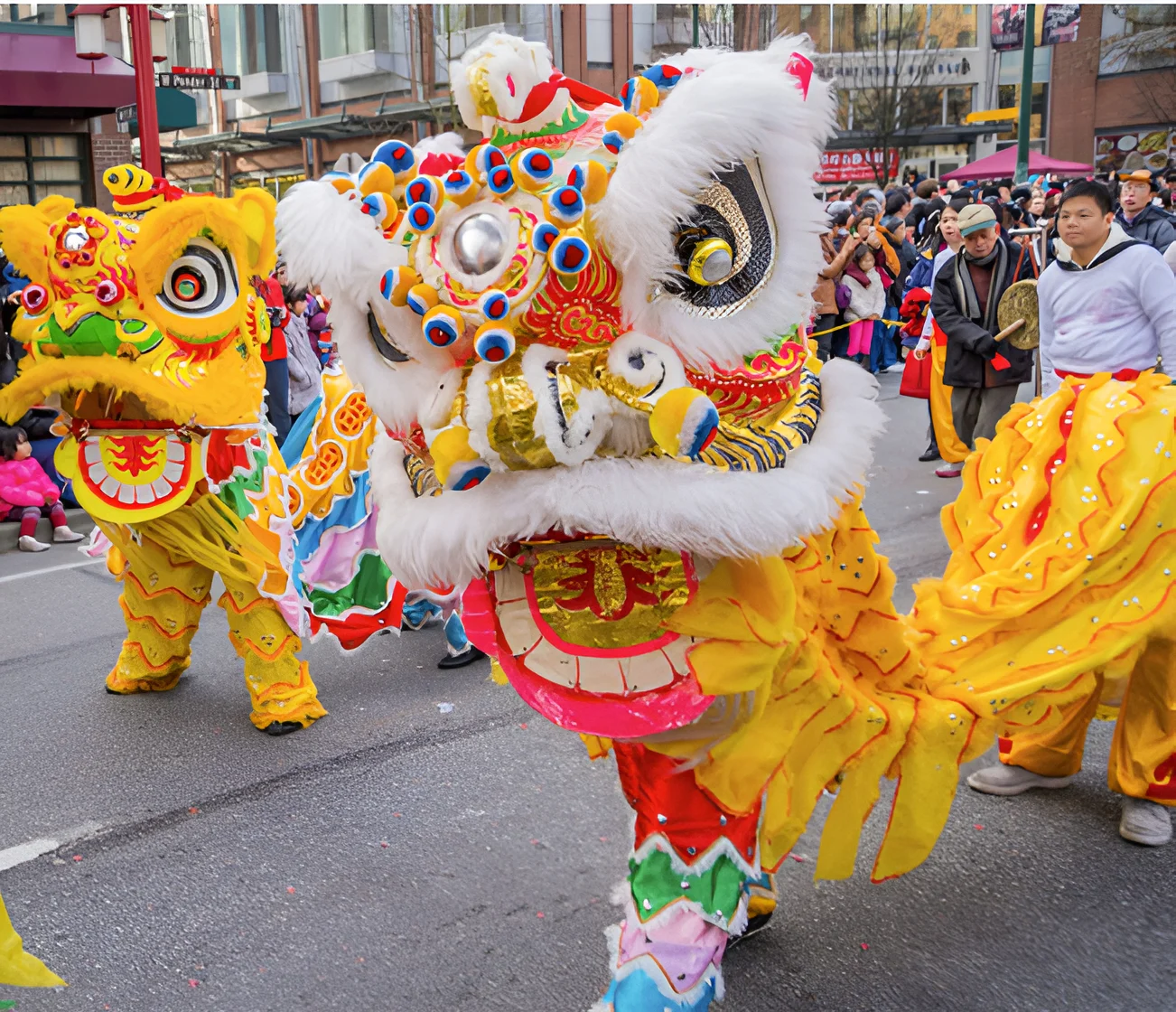
Over generations, lion dance in the United States and Canada expanded beyond New Year parades into cultural festivals, neighborhood celebrations, and private events, and today troupes perform not only for Lunar New Year but also for weddings, grand openings, and multicultural celebrations in cities with large Chinese and Asian communities.
The Lion Dance at Weddings
Traditionally, a lion dance at a wedding is meant to bless the couple with good fortune, prosperity, fertility, longevity, and protection against negative spirits. Modern performances often add narrative elements, incorporating the bride and groom, as well as the guests, into their performance. The lions may escort the couple into the reception, playfully interact with one another, and perform cai qing to symbolically shower the room with wealth and blessings. The lion bows to the newlywed as a form of offering respect and blessing, connecting centuries of ritual to their first day of marriage. At the wedding, guests may interact with the lions as they move among them, offering red envelopes that symbolize luck and prosperity. Some troupes even include a baby lion, performed by a single dancer, representing hopes for children and a growing family.
Whether performed at a wedding or as part of a Lunar New Year parade, the lion dance is a living tradition with deep roots. From Tang dynasty China to San Francisco’s Chinatown, the lion dance has traveled a long way in both time and distance, and it continues to connect performers and audiences across generations and borders.
Reference
https://en.wikipedia.org/wiki/Lion_dance
https://plumblossom.net/LionHistory.html
https://www.chungwahkungfu.com/resources/lion-dance-history
https://www.cyounglions.org/culture-of-lion-dancing
https://www.laugar-kungfu.com/style-lion-dance-origin
https://www.gov-online.go.jp/hlj/en/january_2025/january_2025-05.html
https://vinpearl.com/en/vietnamese-lion-dance-a-vibrant-cultural-expression
https://www.houstoniamag.com/news-and-city-life/2026/02/houston-art-of-lion-dancing
https://www.houstoniamag.com/news-and-city-life/2026/02/houston-art-of-lion-dancing
https://www.chinadaily.com.cn/a/202602/16/WS69926a97a310d6866eb39703.html
https://www.imperialpalacebanquethall.com/chinese-lion-dance-why-its-so-important-at-weddings/
https://www.liondanceuk.com/about-us/history
Explore More Resources for the Asian Diaspora
We're excited to bring you blog posts that highlight the richness of the Asian Diaspora. We aim to create a space where you can find inspiration, tips, and stories that resonate with your unique experiences.
If you're in search of a makeup artist for your own wedding, we also have a directory of talented makeup artists who are experienced with Asian features. We hope it makes your wedding planning journey a little easier!
Find a Makeup Artist