The Meaning of Red Envelope Traditions from New Year to Weddings
Luke D. • February 17, 2026
Everything you need to know about red envelope symbolism and customs
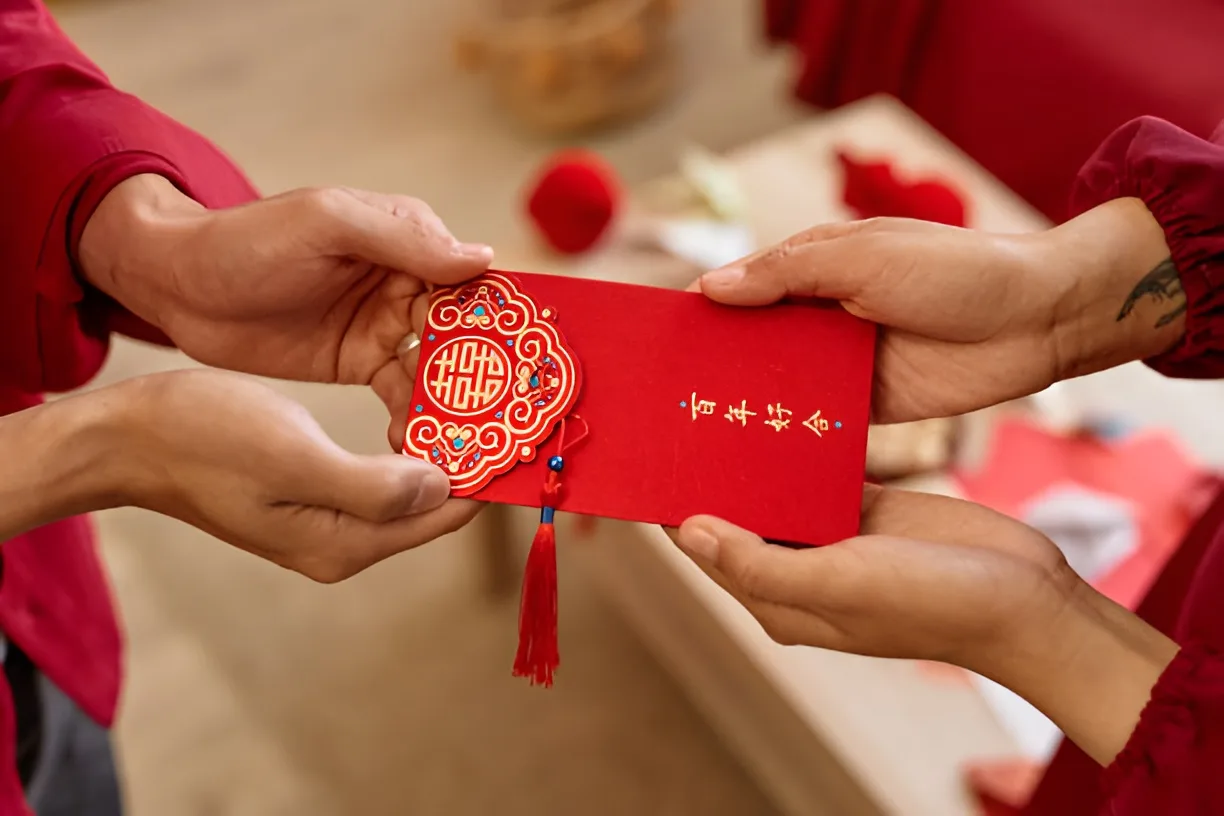
Across many Asian communities, gifting lucky money during important occasions is a cherished tradition. One of the most recognized forms is the Chinese red envelope, called hongbao (紅包), which are most commonly exchanged during Lunar New Year and weddings. From China, the red envelope tradition spread across parts of Asia, taking on new names and customs along the way. Other cultures, like Japan and Korea, developed their own independent traditions of gifting money during celebrations, each with distinct origins and customs. Across cultures, the act of giving money during important celebrations is never just about the money itself.
What Are Red Envelope Traditions?
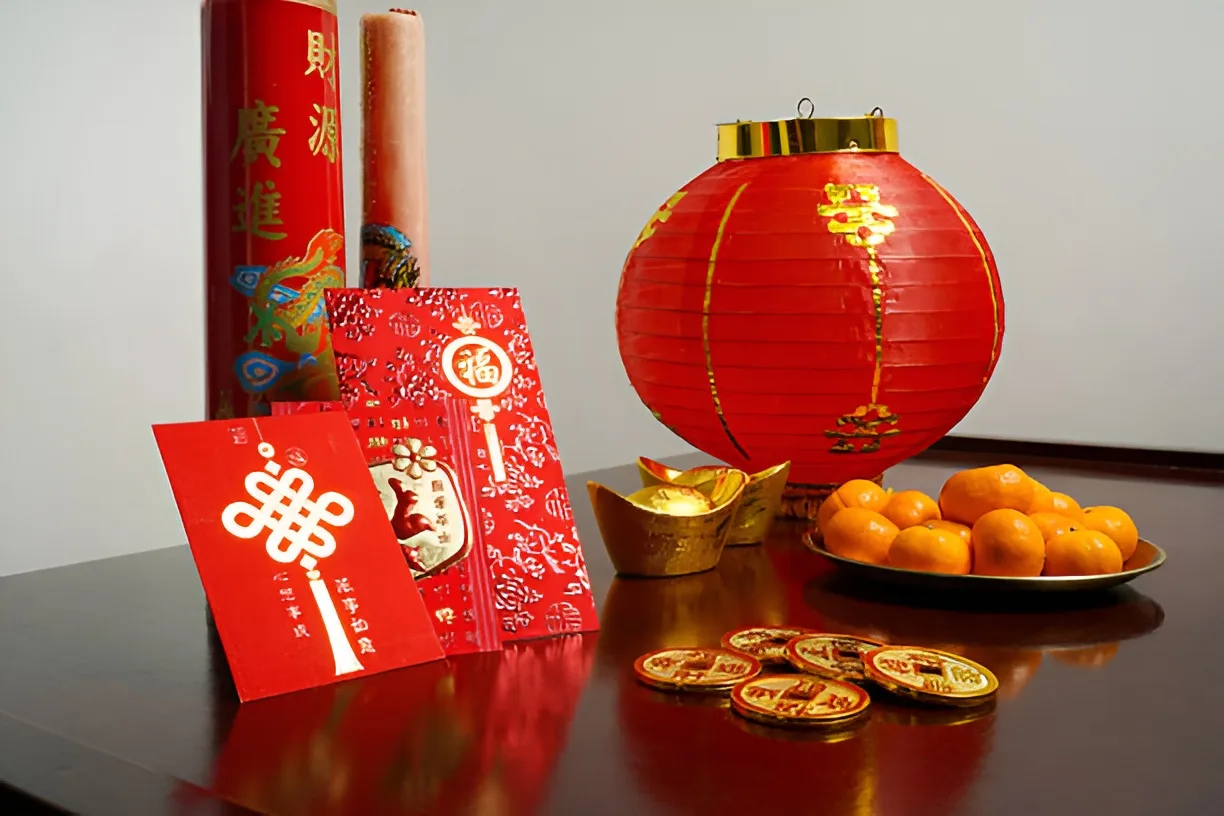
Red envelopes transform a simple monetary gift into something symbolic, carrying centuries of tradition along with the cash inside. The color red is intentional. In Chinese culture, red represents luck and joy. Many envelopes are printed with auspicious phrases such as “Gung Hay Fat Choy” (恭喜发财), meaning “wishing you prosperity,” “Wan Shi Ru Yi” (万事如意), meaning “may all your wishes come true,” or the character “Fú” (福), meaning “fortune.” At its core, the red envelope reflects care and a sincere wish for the recipient’s success.
Beyond celebration, lucky money has historically carried a protective meaning. It was once believed to ward off evil spirits and protect children from harm. That’s why elders typically give red envelopes to young relatives during holidays like Lunar New Year. This is also a symbolic way for older generations to pass down good fortune to the children and unmarried relatives.
A Brief History of Red Envelope Traditions
Red envelope traditions trace back to the Han Dynasty. During that time, special coins called “yāshèng qián,” inscribed with phrases such as “May you live a long and successful life,” were given to children to ward off evil spirits and protect them from illness and death.
By the Tang Dynasty, coins were given during Lunar New Year for similar protective purposes. Since the Song Dynasty, there was also a Lunar New Year custom in which elders received a red string tied around their wrists.
In the Ming and Qing Dynasties, lucky money was either strung together or placed in red pouches. After the Qing Dynasty, paper money became more common, and placing it inside red envelopes gradually became standard practice. Although the custom began as a Lunar New Year tradition, giving money to newlyweds later became part of wedding celebrations as well.
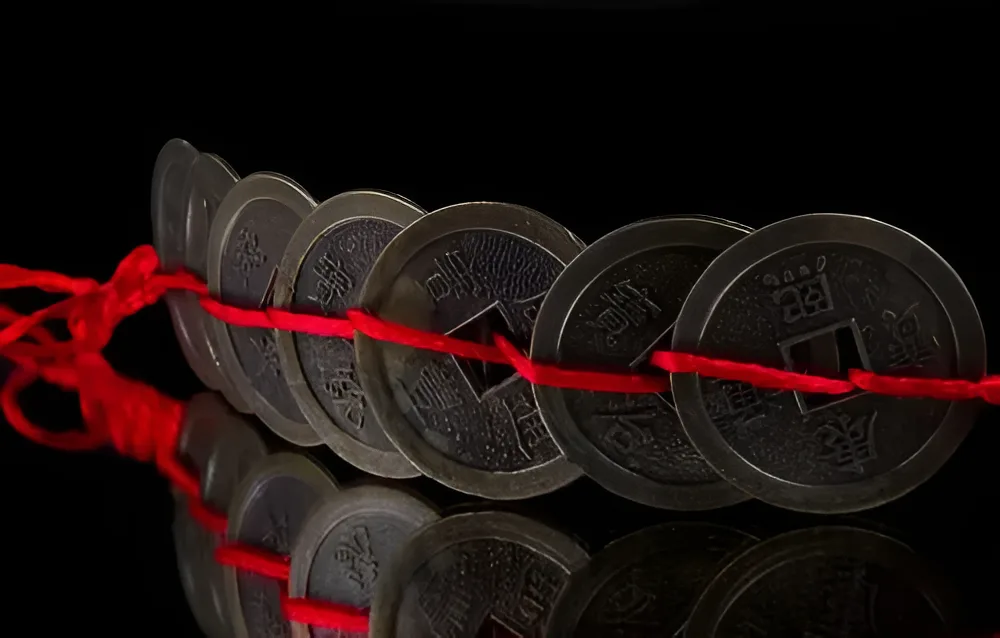
Over centuries, the practice of giving money for luck and protection, particularly during New Year, became a lasting part of Chinese culture, evolving from ancient coins to the red envelopes we know today.
How Red Envelope and Lucky Money Traditions Vary Across Cultures
As red envelope traditions developed in China, some countries adopted the red envelope from Chinese culture and made it their own, while others developed independent gifting traditions with their own distinct histories.
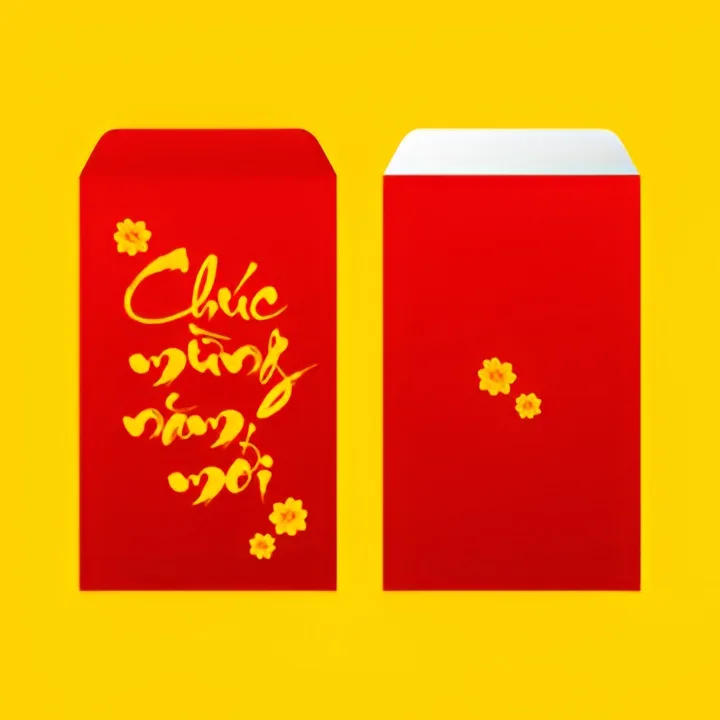
Several cultures across Southeast Asia adopted the red envelope from Chinese custom, adapting it to fit their own celebrations and traditions. In Vietnam, during Tết, elders give children red envelopes called lì xì (利市), or lucky money. In return, children offer wishes for health and longevity. In Cambodia, red envelopes are called ang pav, given by elders to younger generations as a symbol of good luck during Chinese New Year and Saen Chen. Cambodian ang pav are sometimes kept near the recipient's bed as a protective charm, reflecting the same protective meaning found in the tradition's ancient origins.
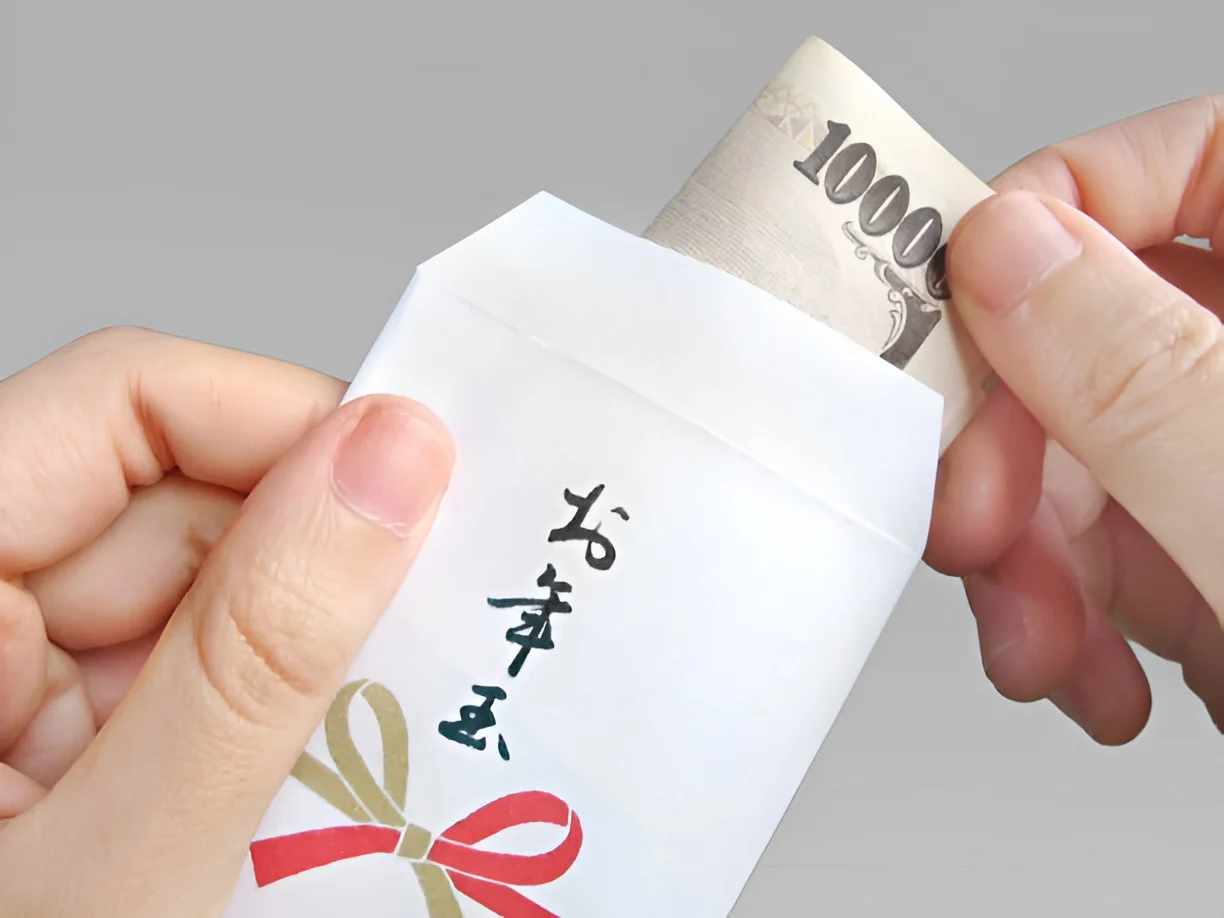
Other cultures developed their own distinct money-gifting traditions independently. In Japan, children receive monetary gifts called otoshidama (お年玉) during the New Year, typically placed in white envelopes. This tradition has its origins in a shrine ritual where kagami mochi (round rice cakes) are offered to the New Year deity. The custom evolved over centuries: from religious offerings to family gifts, and eventually from rice cakes to money tucked inside white envelopes, symbolizing purity and new beginnings. Today, the white symbolizes purity and a fresh start for the year ahead. On the other hand, South Korea’s New Year money-gifting tradition has more practical origins.
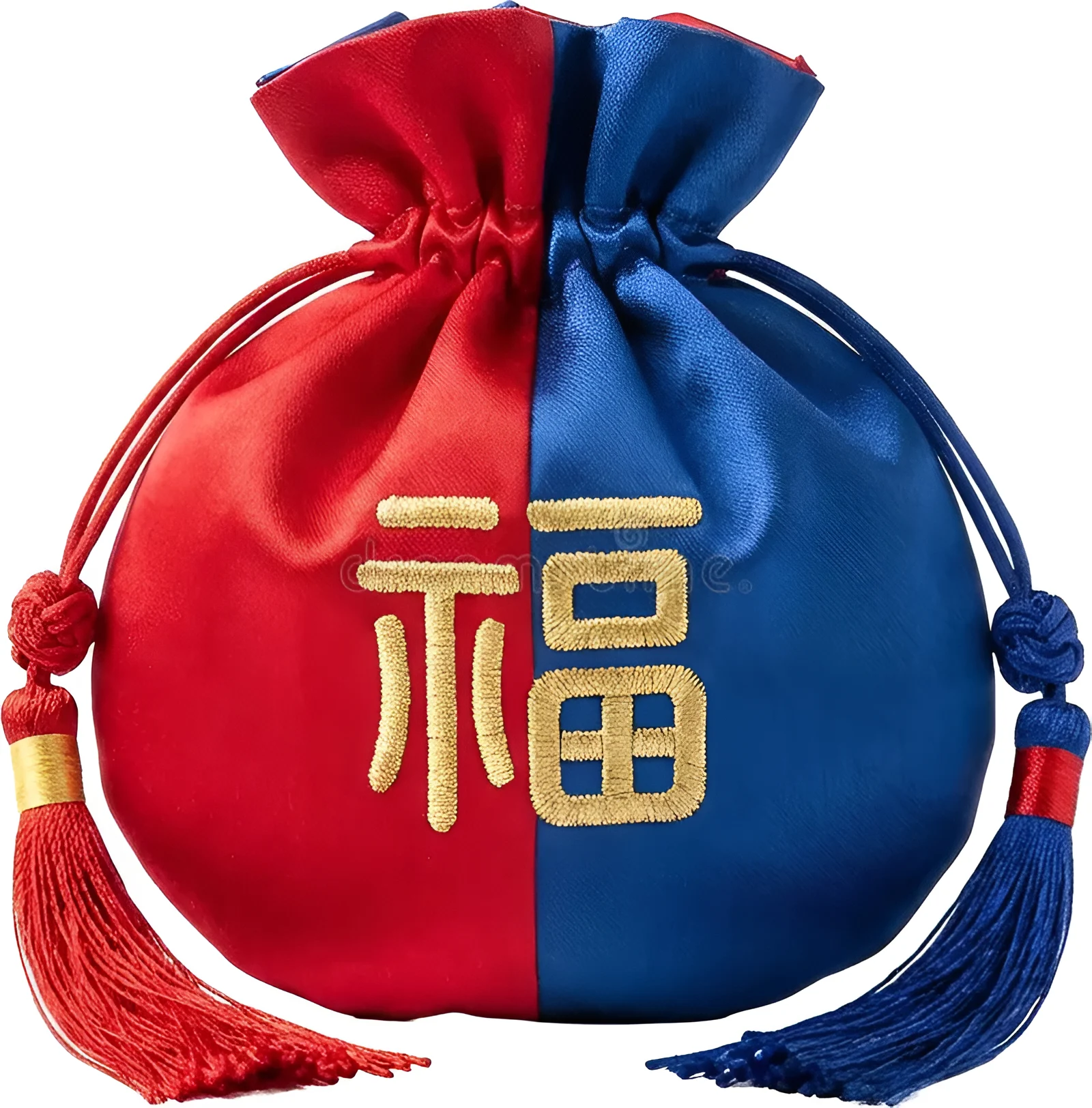
During Lunar New Year, children bow to elders while wearing hanbok, while older relatives give them monetary gifts in small decorative pouches called bokjumeoni (복주머니), meaning “lucky pouch.” These drawstring pouches used to be a practical necessity because traditional hanbok clothing did not have pockets for carrying money or small objects. Over time, the pouches took on a symbolic meaning of their own, becoming a cherished part of New Year celebrations.
Although the names and packaging differ, the purpose remains the same throughout New Year celebrations: offering blessings, prosperity, and well wishes as one year ends and another begins. That shared meaning makes the tradition feel both personal and universal.
Over time, as families traveled across borders and generations, the red envelope traditions continued to adapt to the lives of those who practiced them.
Red Envelope Traditions in the Digital Age
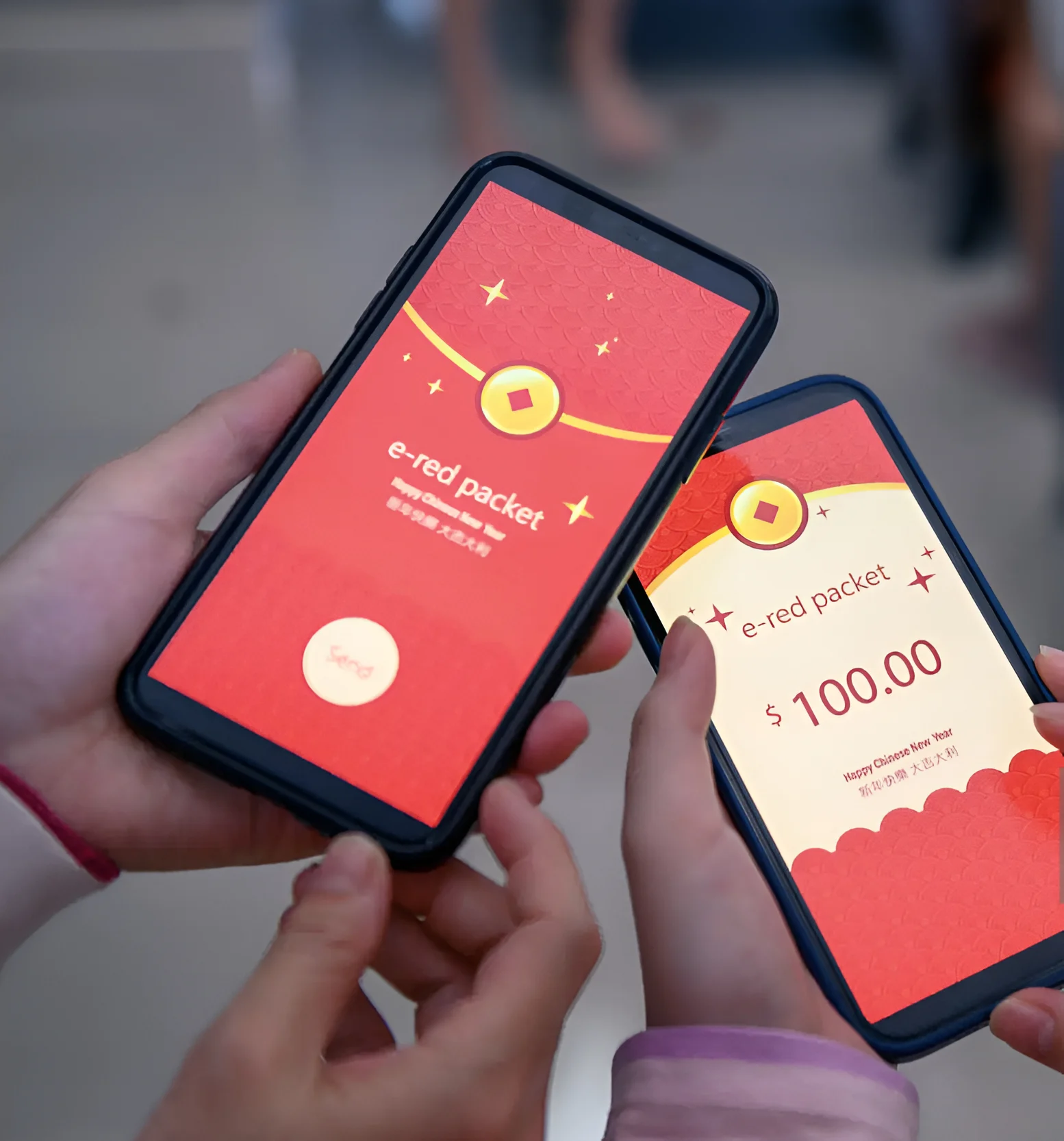
While these exchanges have traditionally taken place face-to-face, modern life often spans cities and continents. As families live farther apart and technology evolves, red envelope traditions have adapted as well.
Digital gifting is now common through mobile payment platforms such as WeChat, Alibaba, and Baidu. WeChat even offers a “Red Packet” feature that allows users to send money digitally in the spirit of a traditional red envelope. The format may be virtual, but the symbolism of sharing blessings and prosperity remains the same.
For couples with relatives overseas, digital red envelopes can make it easier to include everyone in the celebration while still honoring tradition. Whether delivered by hand or sent digitally, red envelopes continue to mark life’s most important moments, such as the start of a new year or the beginning of a marriage.
Red Envelopes Traditions at Weddings
Marriage signals the shift from envelope recipient to envelope giver. Newlyweds receive red envelopes from wedding guests as a way to bless their marriage and future together. After that, they traditionally start giving red envelopes to younger relatives, carrying forward the blessings they once received. Of course, there’s no red-envelope police enforcing this cutoff, and families practice the tradition in their own ways.
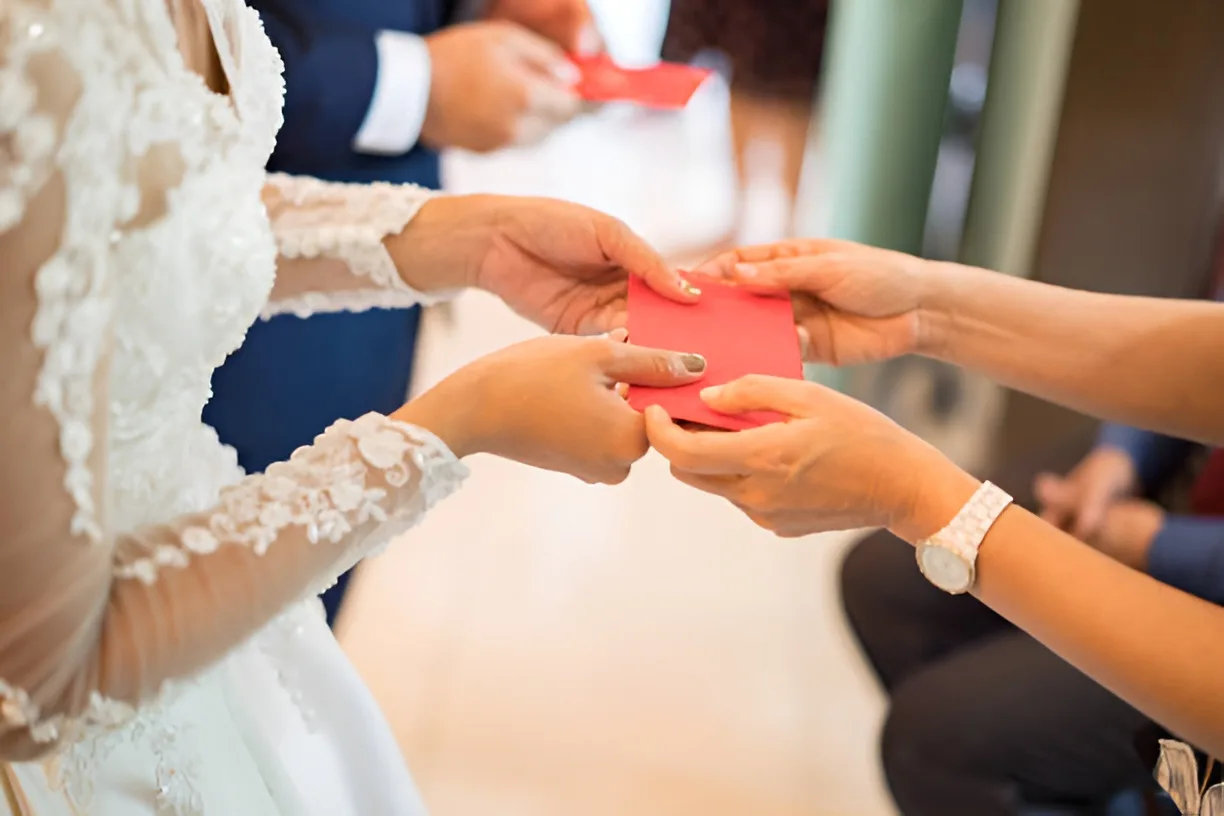
At weddings, guests and elders present red envelopes to the newlyweds as a way to bless their marriage and future together. In Chinese and Vietnamese traditions, red envelopes are often used in wedding tea ceremonies. As the couple presents tea to their elders, the elders in turn present red envelopes. For other guests at Chinese weddings, envelopes are usually placed at the venue entrance and labeled with the guest’s name.
Traditionally, a record is kept of the amounts given. This serves both practical and cultural purposes: it ensures accuracy and helps the couple reciprocate appropriately in the future. When an unmarried guest later marries, the couple is generally expected to give slightly more than what they originally received.
Passing Fortune Forward
From a child receiving their first red envelope at Lunar New Year to a couple receiving their last batch at their wedding, red envelopes mark the arc of a life. Whether tucked inside a red envelope at a Lunar New Year celebration, presented at a wedding tea ceremony, or sent digitally across continents, these gifts of money carry something beyond their face value. The specific customs may differ—red envelopes or white, pouches or packets—but the gesture behind them is the same: to pass forward the good fortune you once received.
Reference
https://en.wikipedia.org/wiki/Red_envelope
https://www.theknot.com/content/red-envelope-wedding
https://www.thoughtco.com/chinese-new-year-red-envelope-687537
https://www.chinahighlights.com/travelguide/festivals/red-envelop.htm
https://en.wikipedia.org/wiki/WeChat_red_envelope
Explore More Resources for the Asian Diaspora
We're excited to bring you blog posts that highlight the richness of the Asian Diaspora. We aim to create a space where you can find inspiration, tips, and stories that resonate with your unique experiences.
If you're in search of a makeup artist for your own wedding, we also have a directory of talented makeup artists who are experienced with Asian features. We hope it makes your wedding planning journey a little easier!
Find a Makeup Artist