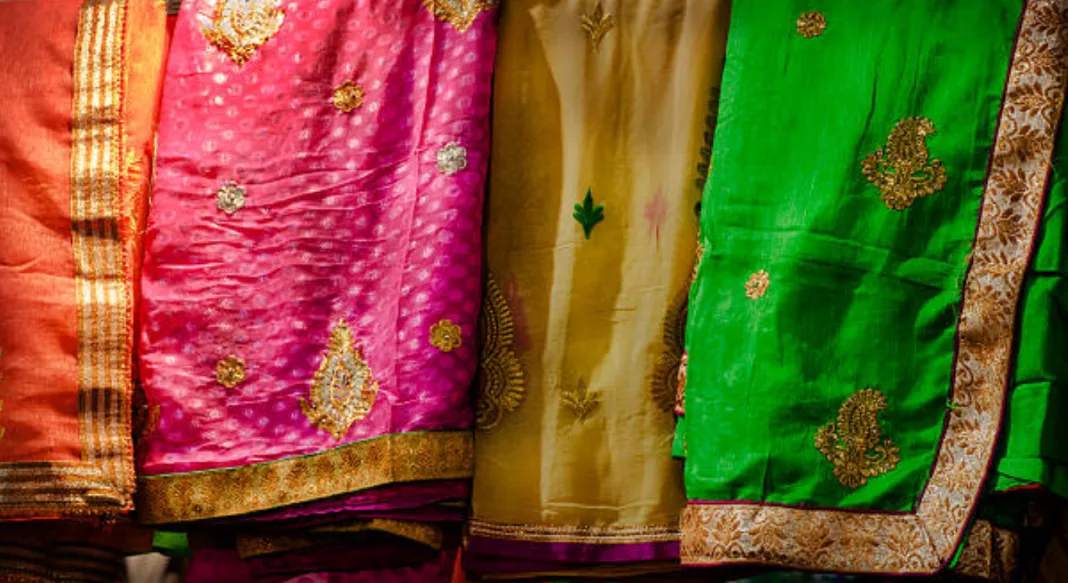
What to Wear to an Indian Wedding: A Guest's Guide to the Sari and Lehenga
Luke D. • July 22, 2026
A practical guide to choosing between saris and lehengas as a wedding guest
You've been invited to an Indian wedding, and now you're figuring out what to wear. The dress code says “Indian formalwear”, but that still leaves plenty of options: lehengas and saris and dupattas, oh my. Not to worry, we're here to help you choose the outfit that best fits you and suits the occasion.
Trust the invite, and then ask around
Region, religion and personal preferences can all influence the clothing at an Indian wedding. Your wedding invitation will typically give you some guidance about the dress codes to different wedding events, and whether Western attire or cultural clothing is expected. It can be nerve wracking to dress in South Asian formalwear if you're not from the culture, but it's often welcomed as a sign of respect!
Your next best resource is usually the couple's close friends or family. They will be familiar with what's normal for the couple, and how modern or traditional the wedding is. By asking them for advice instead of the couple, you can also keep one more thing off the couple's plate.
One thing worth clarifying with them: modesty conventions can look different from what you're used to. Bare midriffs are common in Indian formalwear, but short skirts, high slits, and plunging necklines are less common. If part of the ceremony takes place in a temple or gurdwara, you may also need a head covering like a dupatta or scarf.
Don't wear white… or red
Like with a Western wedding, you should avoid white as a guest, but it's not about competing with the bride. White is a traditional mourning color, so it's best not to wear it to a wedding.
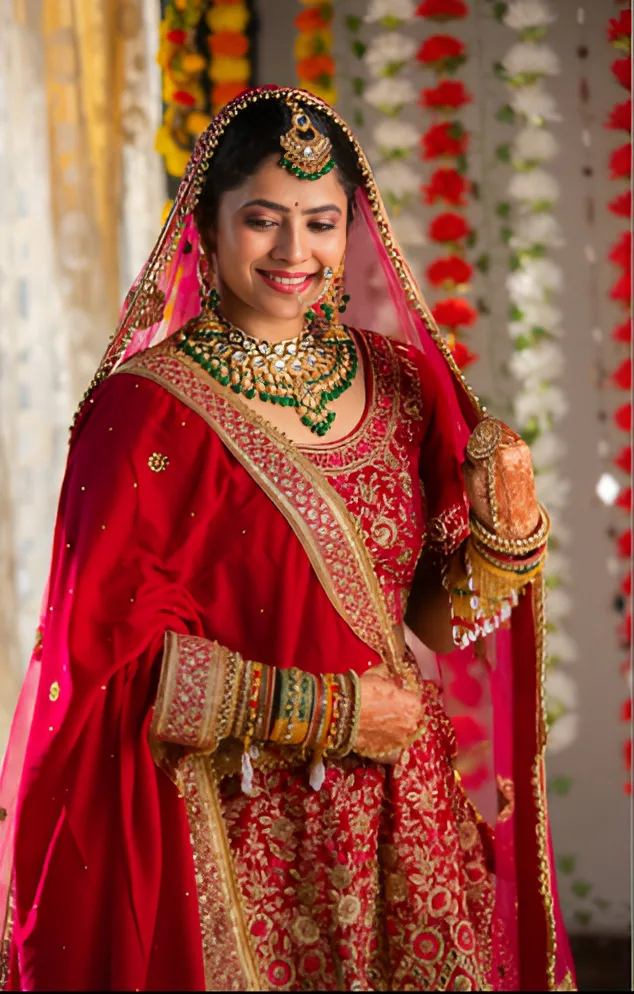
Red, on the other hand, is often worn by brides, so you should also steer clear of it as a wedding guest. Beyond that, jewel tones and other festive colors are all common choices for guests.
Choosing between the Sari and Lehenga
If you decide to wear Indian formalwear, two of the most well-known traditional garments are the sari and the lehenga. While both outfits are appropriate for many Indian weddings, they offer different wearing experiences and are associated with different cultures. Here's what each one is, and the kind of wedding where it tends to shine.
Lehenga: Beautiful and easy to wear
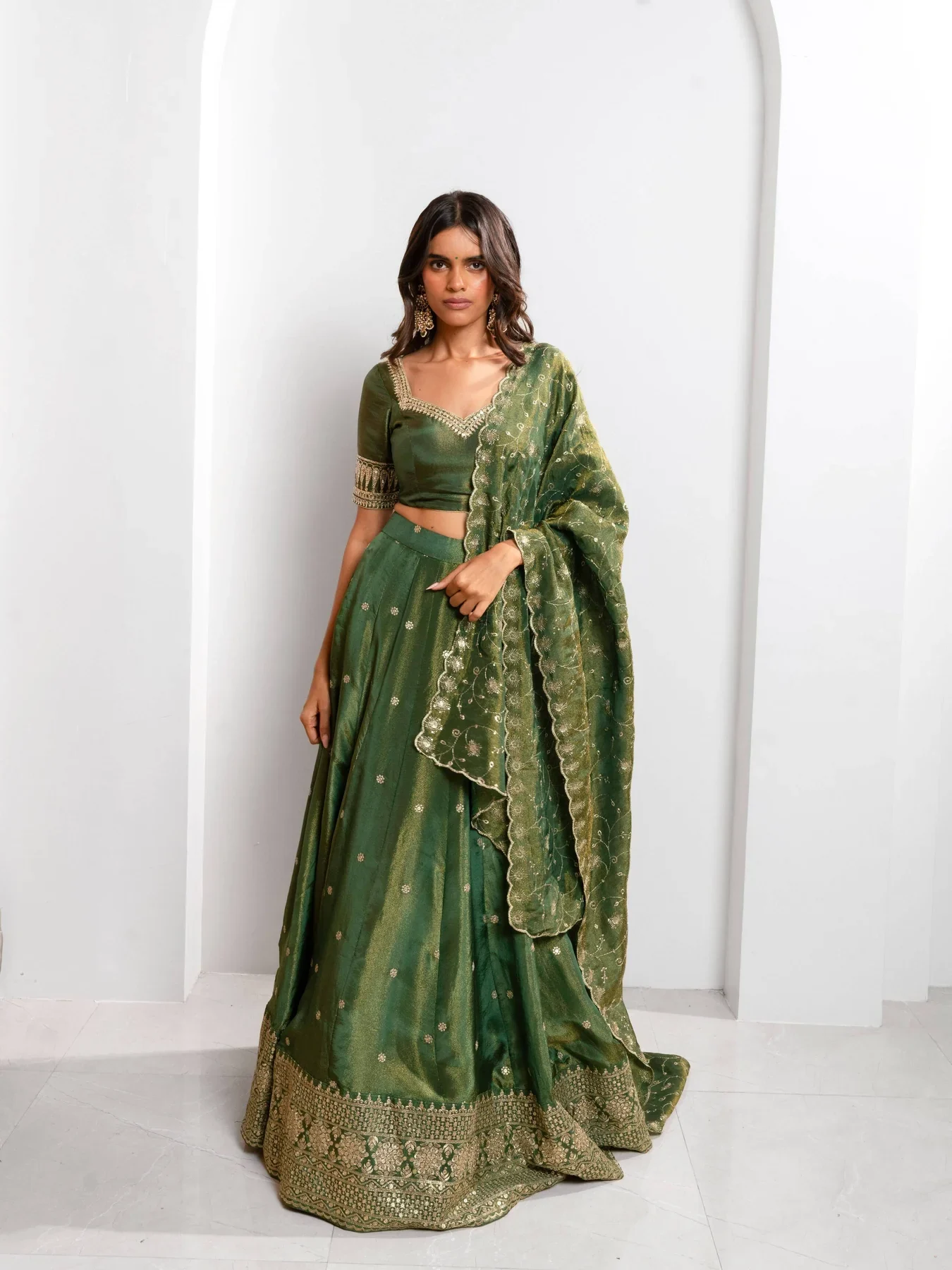
A lehenga is one of the most popular choices for first-time Indian wedding guests because, unlike a sari, it doesn’t require any wrapping or draping. It also holds up well through a long day of ceremonies, dinner, and dancing.
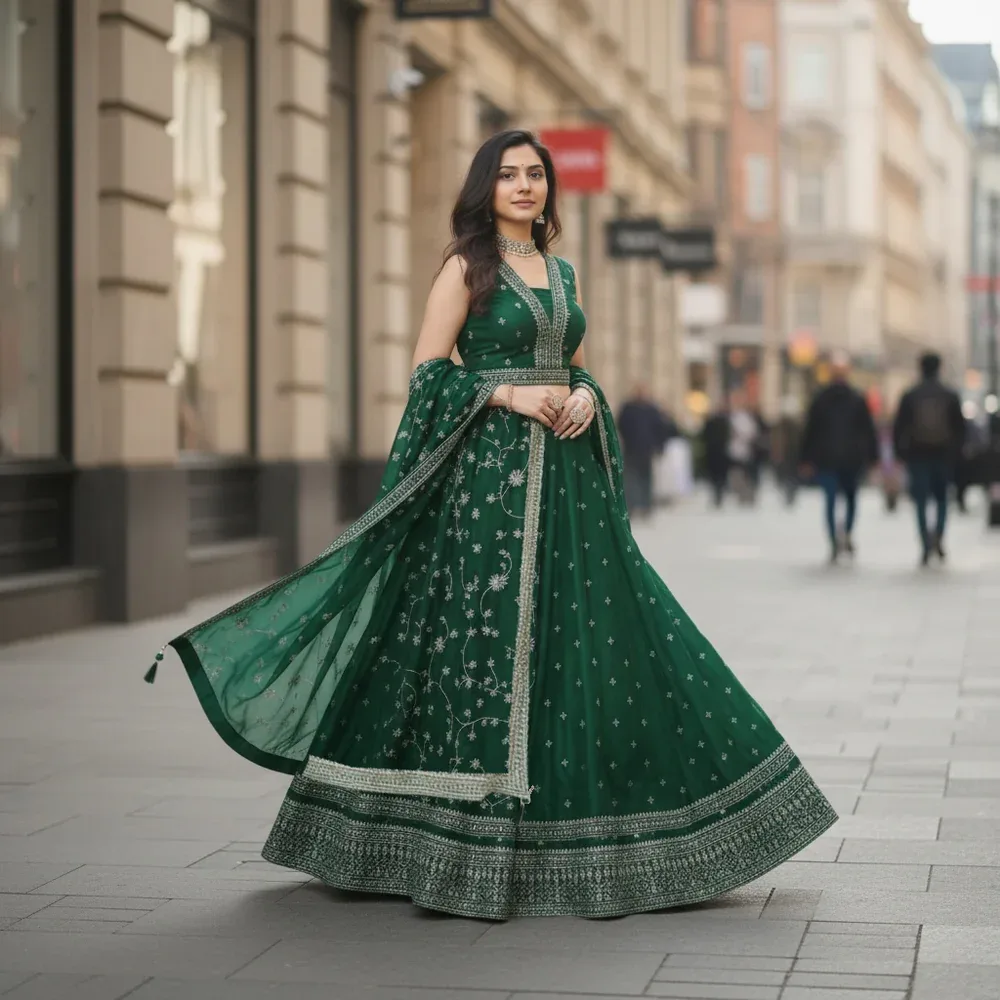
A traditional lehenga outfit consists of three parts:
Lehenga (a flared skirt)
Choli (a fitted blouse)
Dupatta (a long scarf)
However, the dupatta is often optional for modern weddings.
There's a range of traditional lehenga silhouettes to choose from. An A-line lehenga fits at the waist and flares gradually outward, which is flattering on most body types. A circular lehenga is a full-circle skirt with dramatic volume that has great movement for dancing. A paneled lehenga is a skirt made with multiple fabric panels that create a full, flared silhouette.
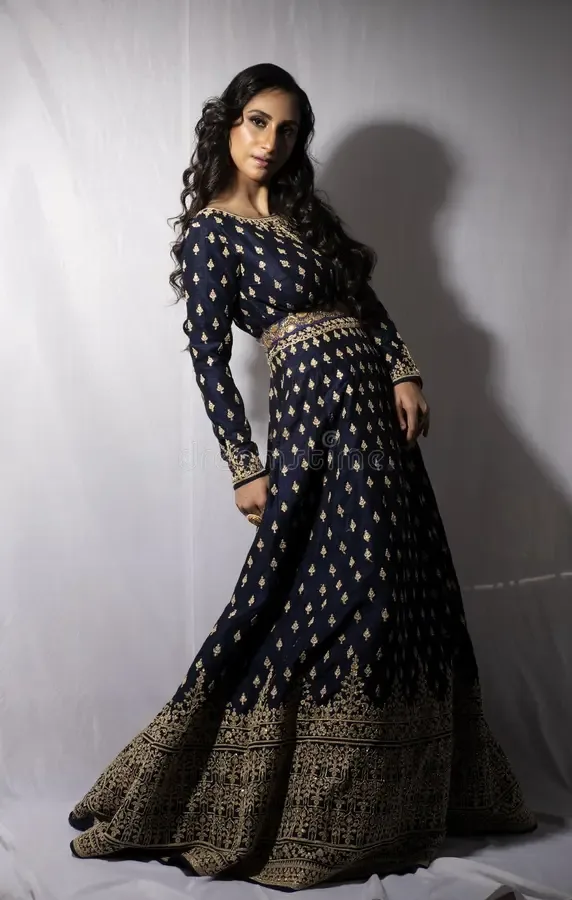
You might also be interested in a contemporary design that incorporates Western-inspired silhouettes while preserving classic embroidery, fabrics, and details. For example, some Indo-Western lehengas feature modern tops with the lehenga, like pairing the lehenga skirt with a crop top or jacket.
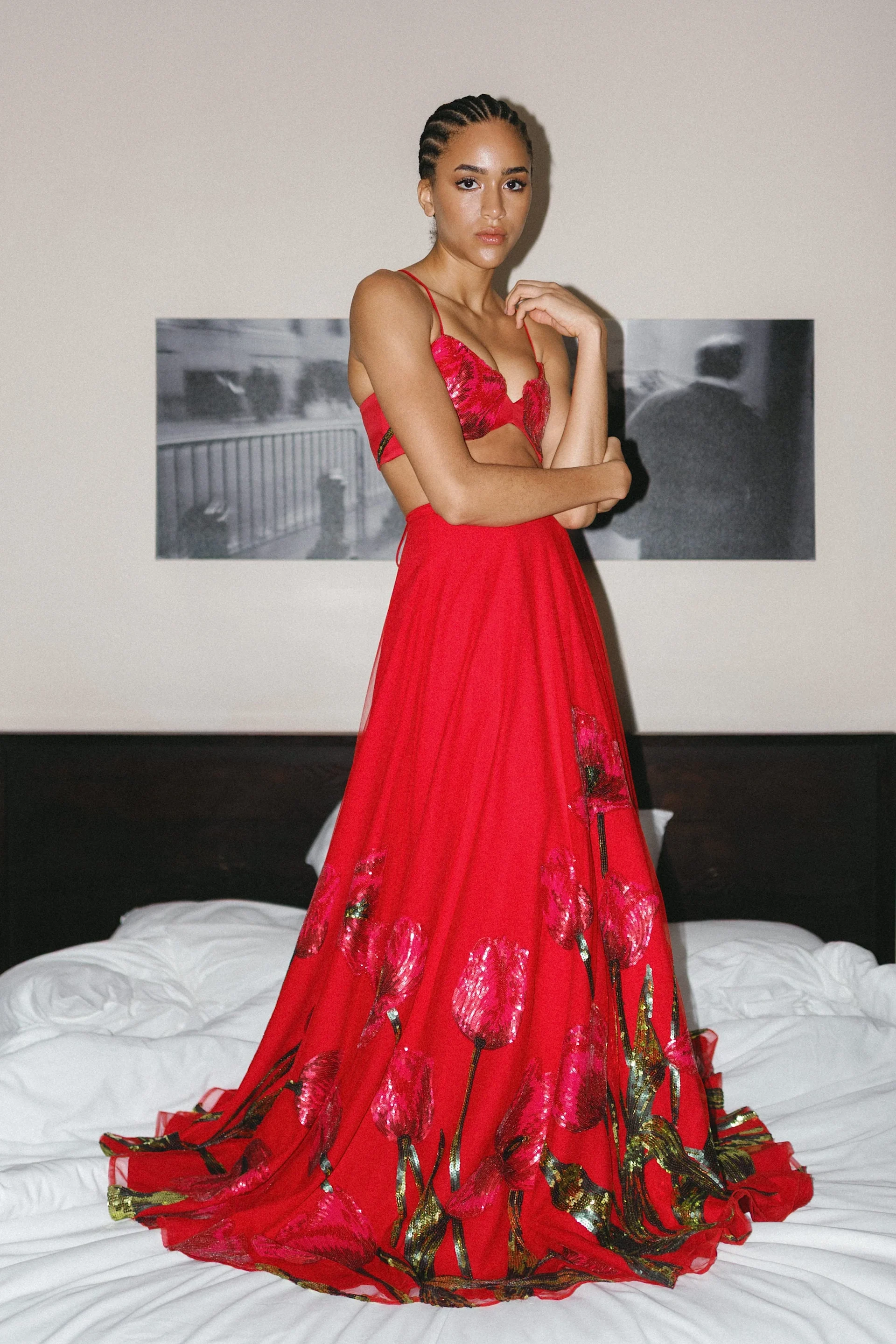
The lehenga is especially popular at Punjabi, Rajasthani, and Gujarati weddings, where different embroidery and dyeing techniques are part of the rich regional cultures. This regional popularity is partly a matter of history: the lehenga took shape under the Mughal courts, whose influence ran deepest across North and Northwest India.
Sari: Timeless and worth the extra effort
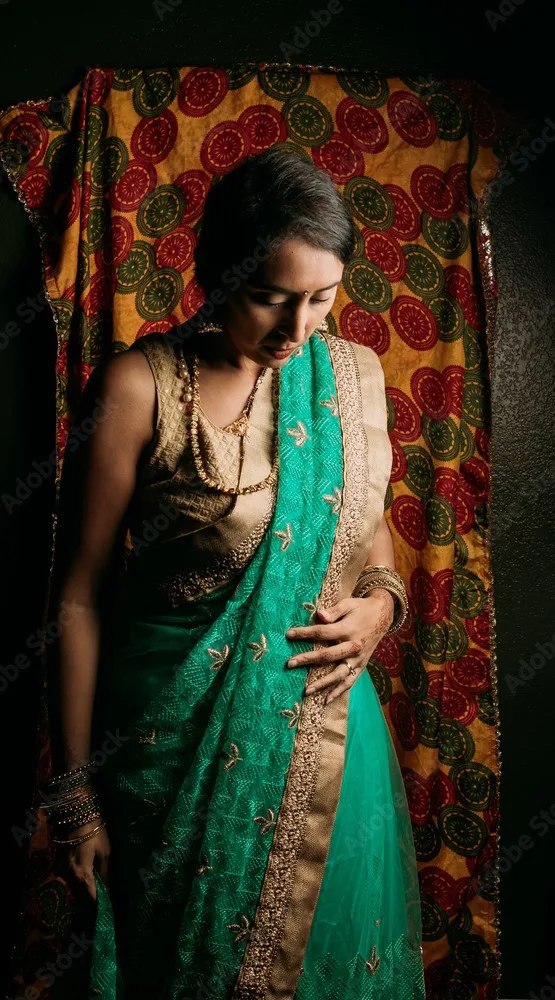
A sari is a single length of unstitched fabric (usually five to nine yards) wrapped around the waist, pleated in the front, and draped over the shoulder. Like the lehenga, it's paired with a choli on top. Many saris feature intricate embroidery or decorative borders.
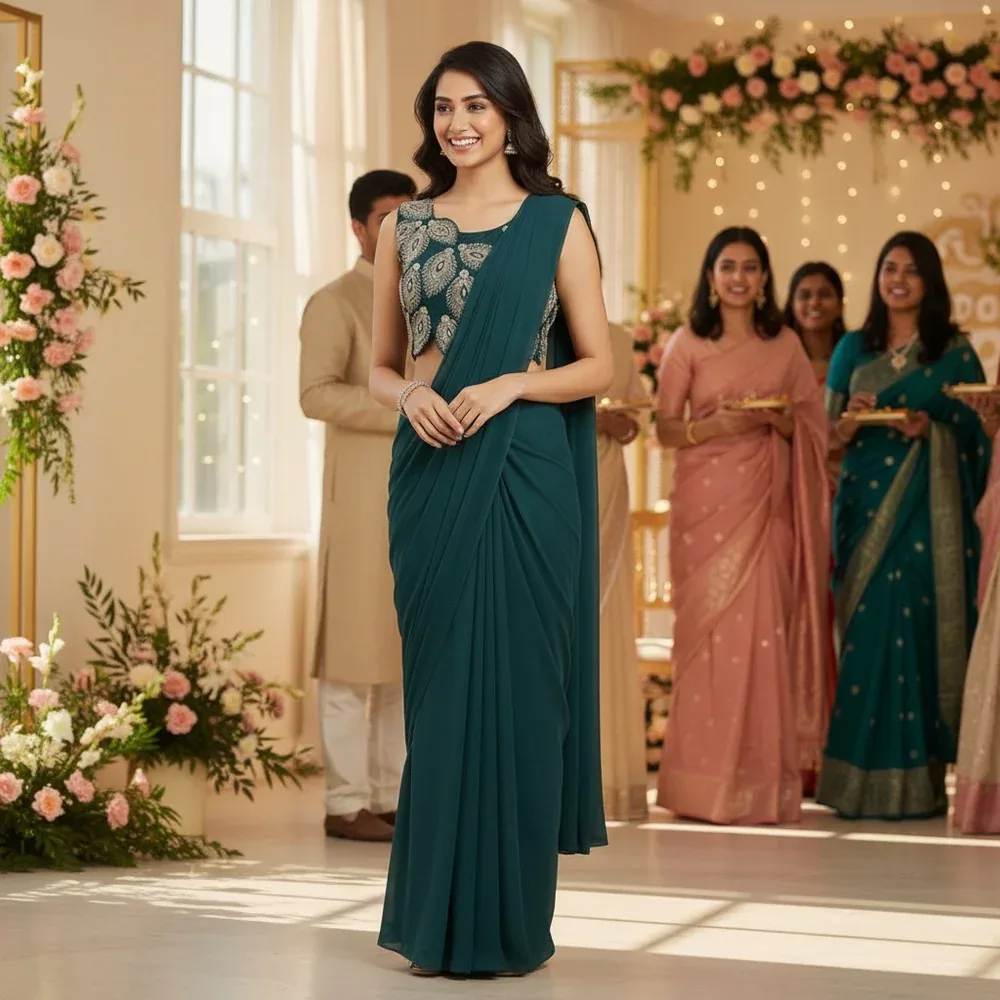
Saris have been worn across South Asia for close to 5,000 years, and the exact drape and style often reflects the wearer's region. The sari you see at one wedding may look quite different from the one at another, even though both are unmistakably saris. The tradeoff for this rich tradition is effort: saris take practice to drape correctly, so if you've never worn one before, it's worth asking someone experienced to help you. Some makeup artists even offer specialized sari-draping services.
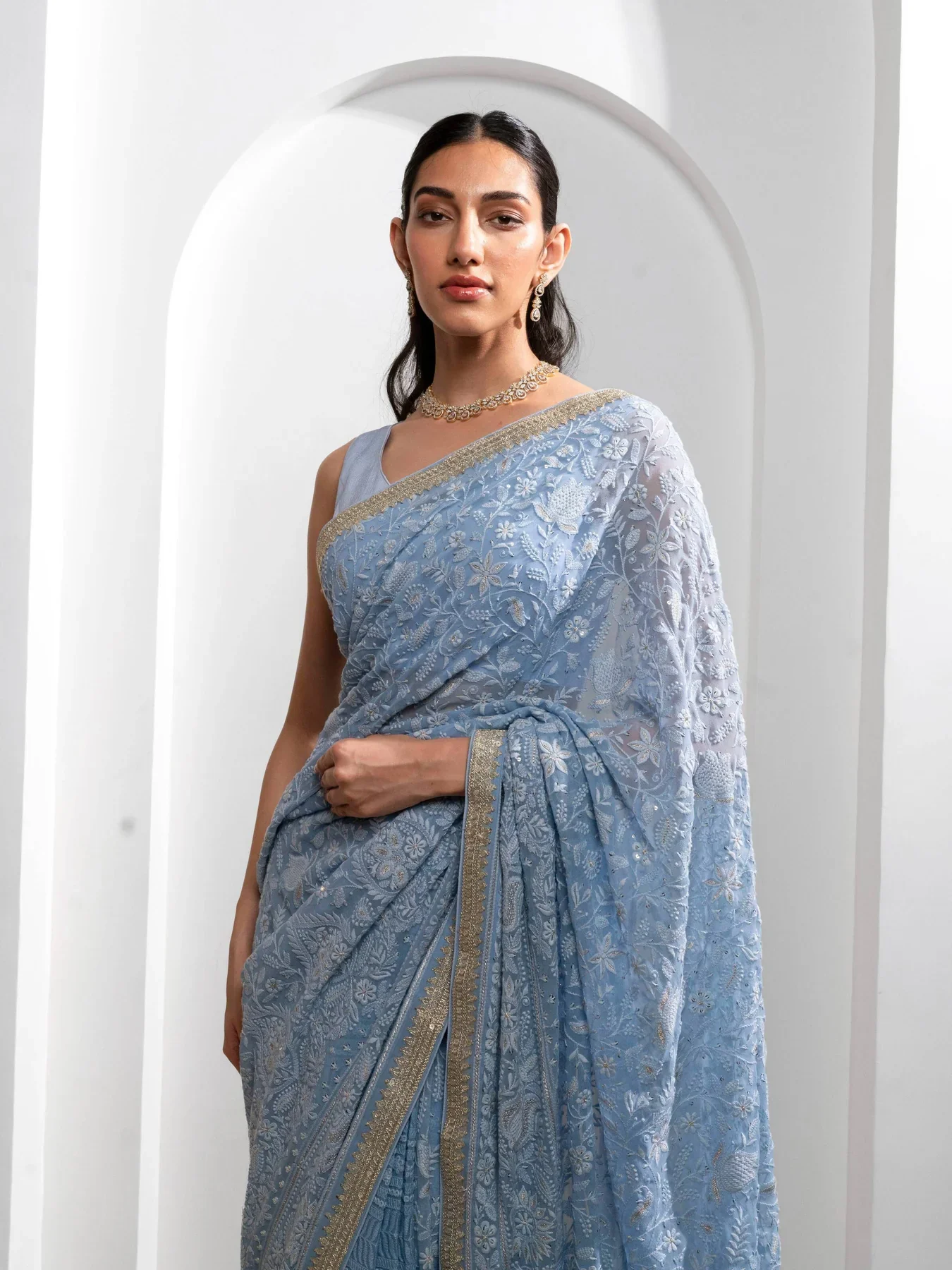
Modern sari designs innovate on fabrics, and introduce pre-pleating to make the garment easier to wear. Some even add pockets!
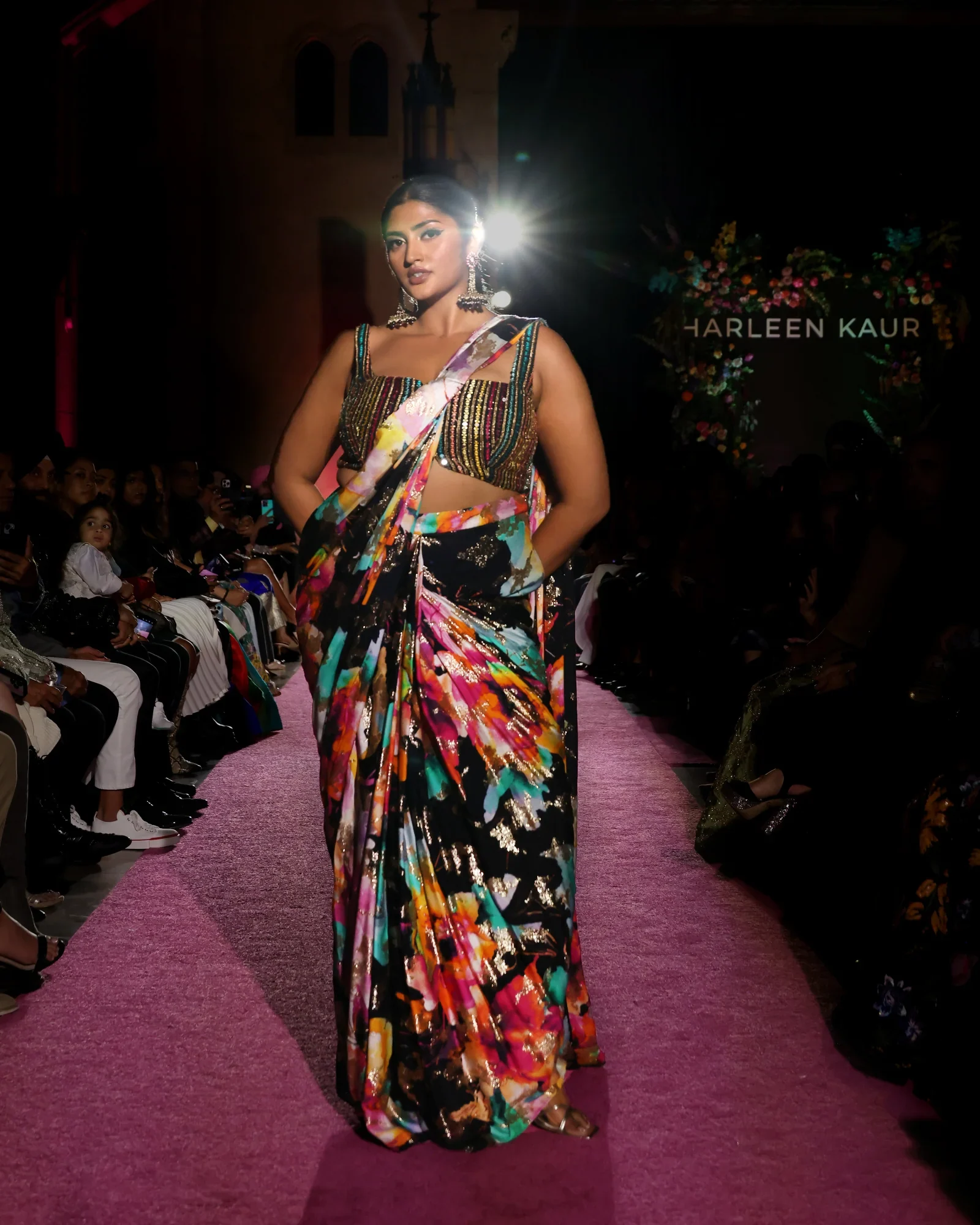
The sari is especially prominent at South Indian Hindu weddings, where rich silk styles like Kanjeevarams are common for both brides and guests.
Where Can You Buy a Sari or Lehenga?
Online shopping means that you have more options than ever. Some Indian American brides and wedding guests choose to purchase their outfits in India, where they can explore an incredible variety of regional textiles, craftsmanship, and designer boutiques. Others prefer to shop in the United States, where many retailers specialize in traditional Indian clothing and can offer easier sizing, alterations, and shipping. Renting is also an affordable option if you're still finding your personal taste in Indian formalwear.
If you're not sure where to begin, check out the vendors below to get you started:
Explore More Resources for the Asian Diaspora
We're excited to bring you blog posts that highlight the richness of the Asian Diaspora. We aim to create a space where you can find inspiration, tips, and stories that resonate with your unique experiences.
If you're in search of a makeup artist for your own wedding, we also have a directory of talented makeup artists who are experienced with Asian features. We hope it makes your wedding planning journey a little easier!
Find a Makeup Artist