Vendor Spotlight: Q&A with Jelyca Villanueva of Timeless Tones & Co.
Jelyca Villanueva uses color analysis to help brides glow on their wedding day.
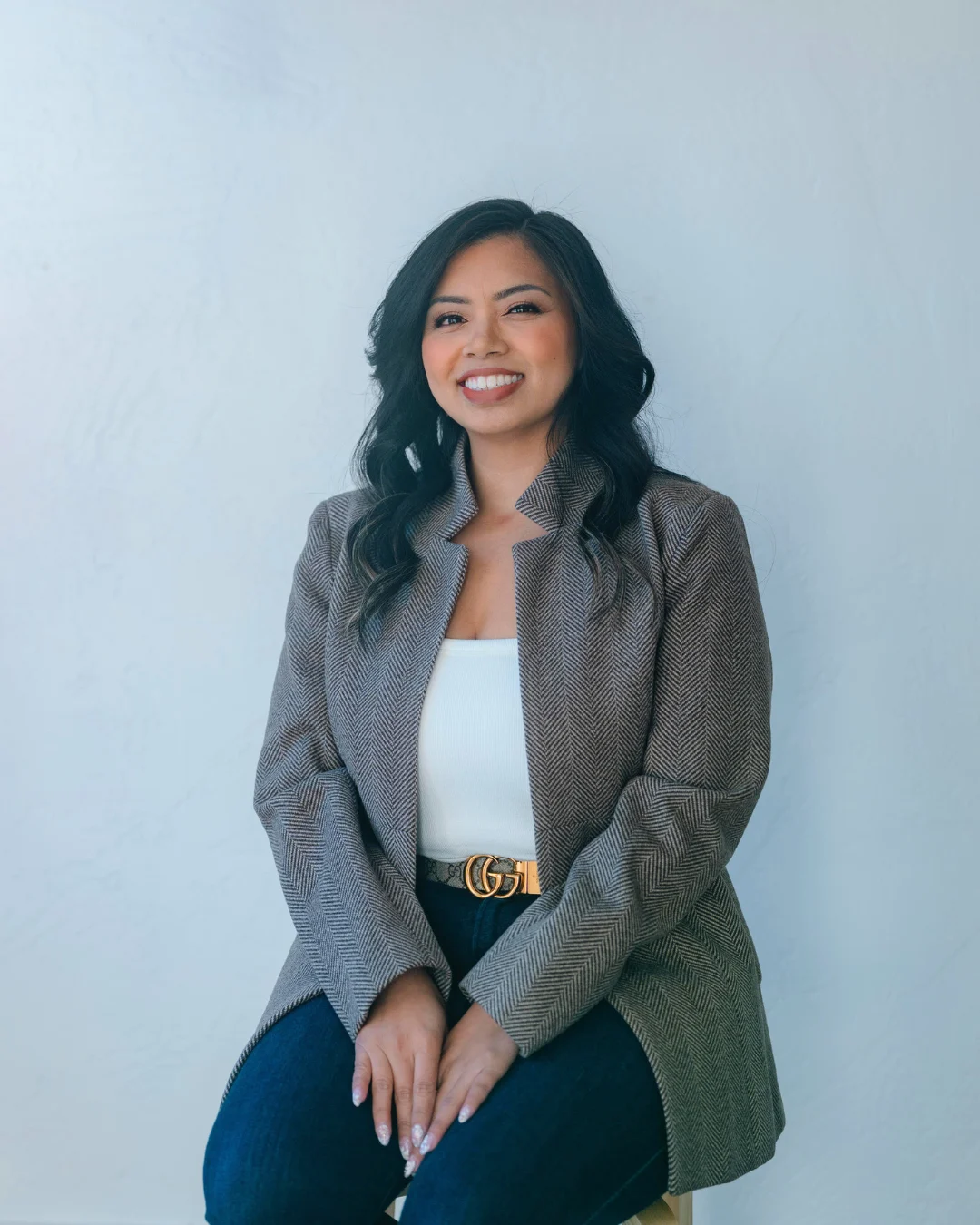
Many brides feel pressure to look their best on their wedding day, and certified color analyst Jelyca Villanueva knows exactly how to help. As the Filipina founder of Timeless Tones & Co. in San Diego, Jelyca helps clients understand how colors interact with their features. Her color analysis goes beyond identifying whether you're a “Winter” or an “Autumn”: Jelyca translates those insights into real-life choices, from everyday outfits to your bridal look.
In this Q&A, Jelyca discusses her path into color analysis, the differences between global color systems, and how she helps brides apply color theory to their wedding.
Q: How did you decide to start Timeless Tones & Co?
A: Growing up, I was really aware of how often appearance came up, especially in Filipino culture. A lot of it was about what looked “better,” but no one really explained why.
That’s what led me into color analysis. I wanted to create a space where people could understand their features in a way that actually makes sense, not based on trends, but on what genuinely works for them.
Q: You’re the first multi-system color analysis studio in San Diego! How does combining Asian and American systems help your clients?
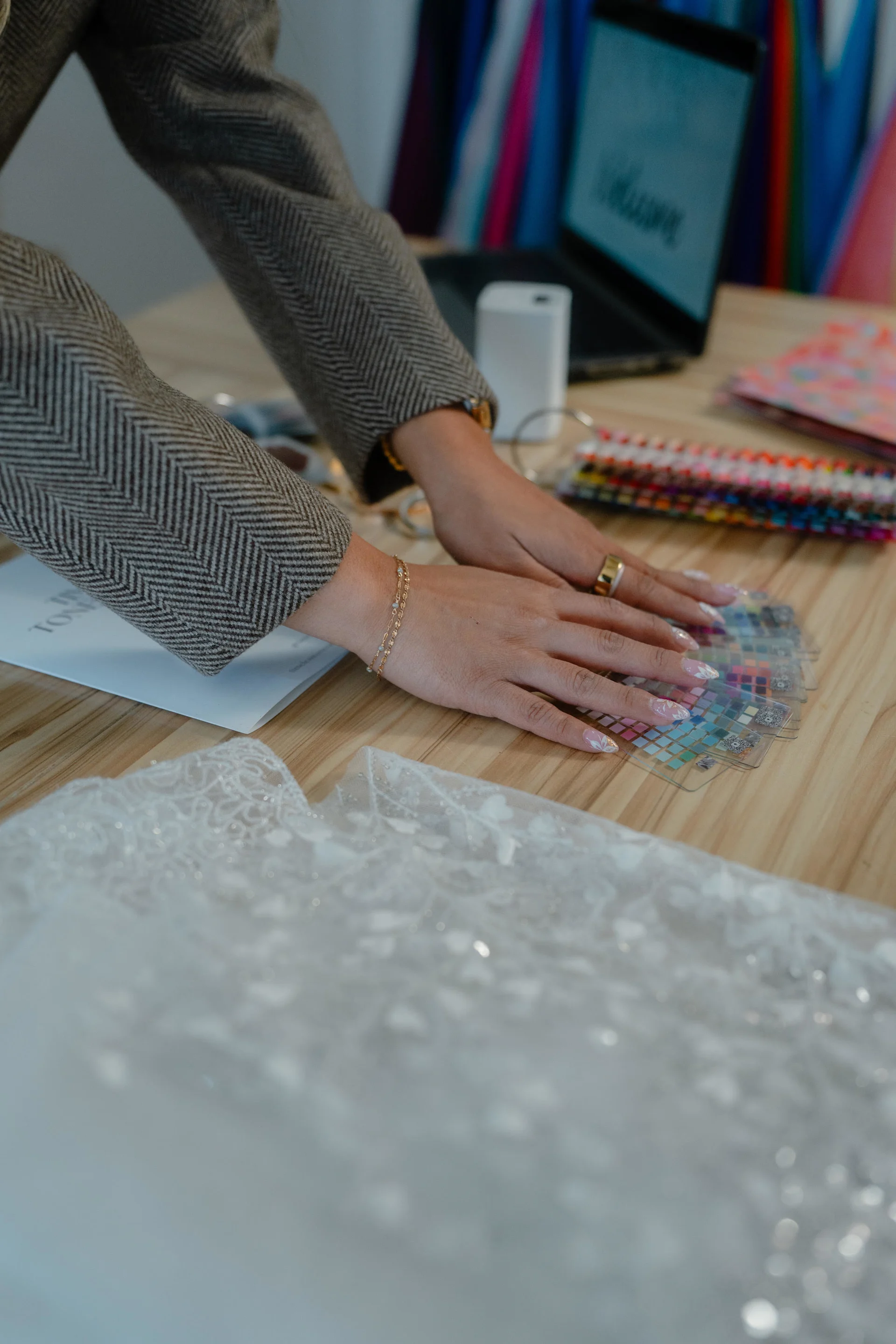
A: Each system has its strengths. The Asian systems I trained in are more in-depth and focus on undertone, saturation, and how colors interact with the skin. The American system is more simplified and easier to apply day-to-day.
Combining both makes the results more accurate but also practical. It’s not just “this is your season,” it’s understanding why colors work and having flexibility within that.
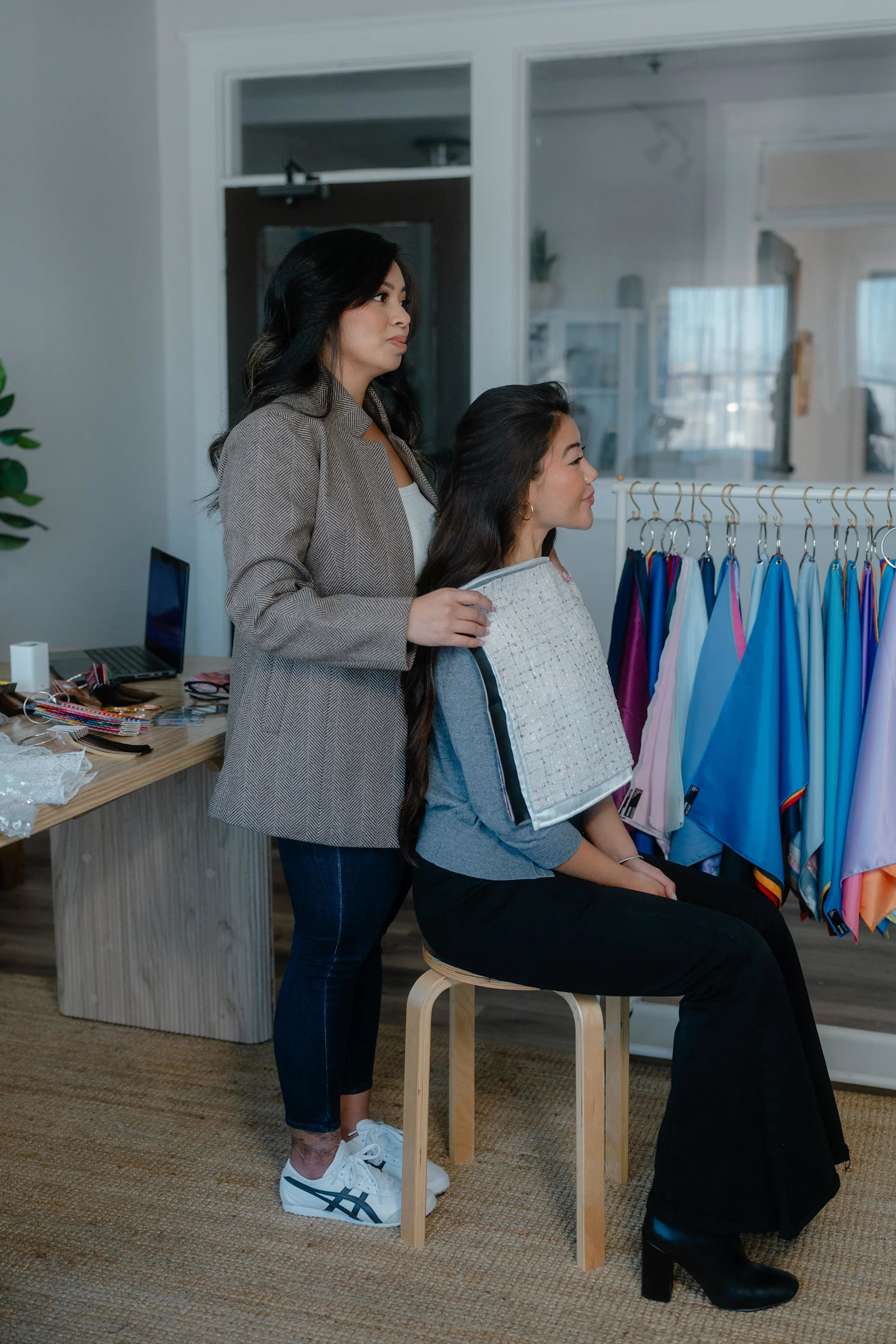
I also like that the East Asian approach breaks down how colors are actually created. Because in real life, there’s no perfect seasonal color in stores. You might know your season, but can you actually identify your colors when you’re shopping? That’s the real goal.
Q: A lot of Asian women grow up being told they’re warm-toned just because their skin has yellow in it. Do you have any advice for understanding Asian undertones?
A: A common misconception is that yellow in the skin automatically means warm undertones, which isn’t always true. A lot of Asian skin has yellow overtone (what you see on the surface), but the undertone underneath can still be cool, neutral, or warm. Overtone can change, but undertone stays consistent. So instead of guessing, focus on how your skin reacts to color. If it brightens and evens out, it’s working. If it looks dull or off, it’s not.
Q: There are so many color decisions to make as a bride, from wedding palettes to makeup and dress. What’s different about color analysis for a bride versus other clients?
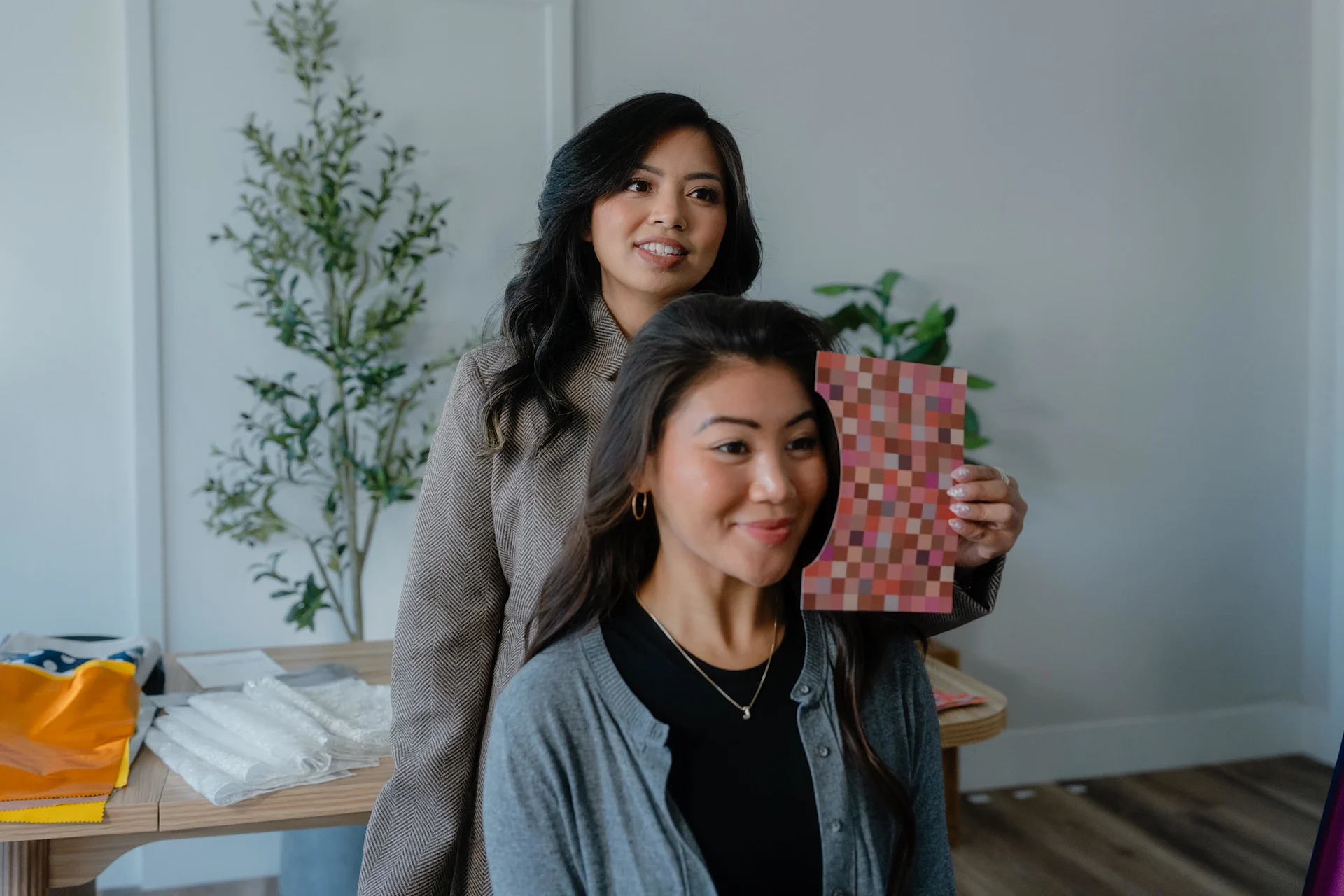
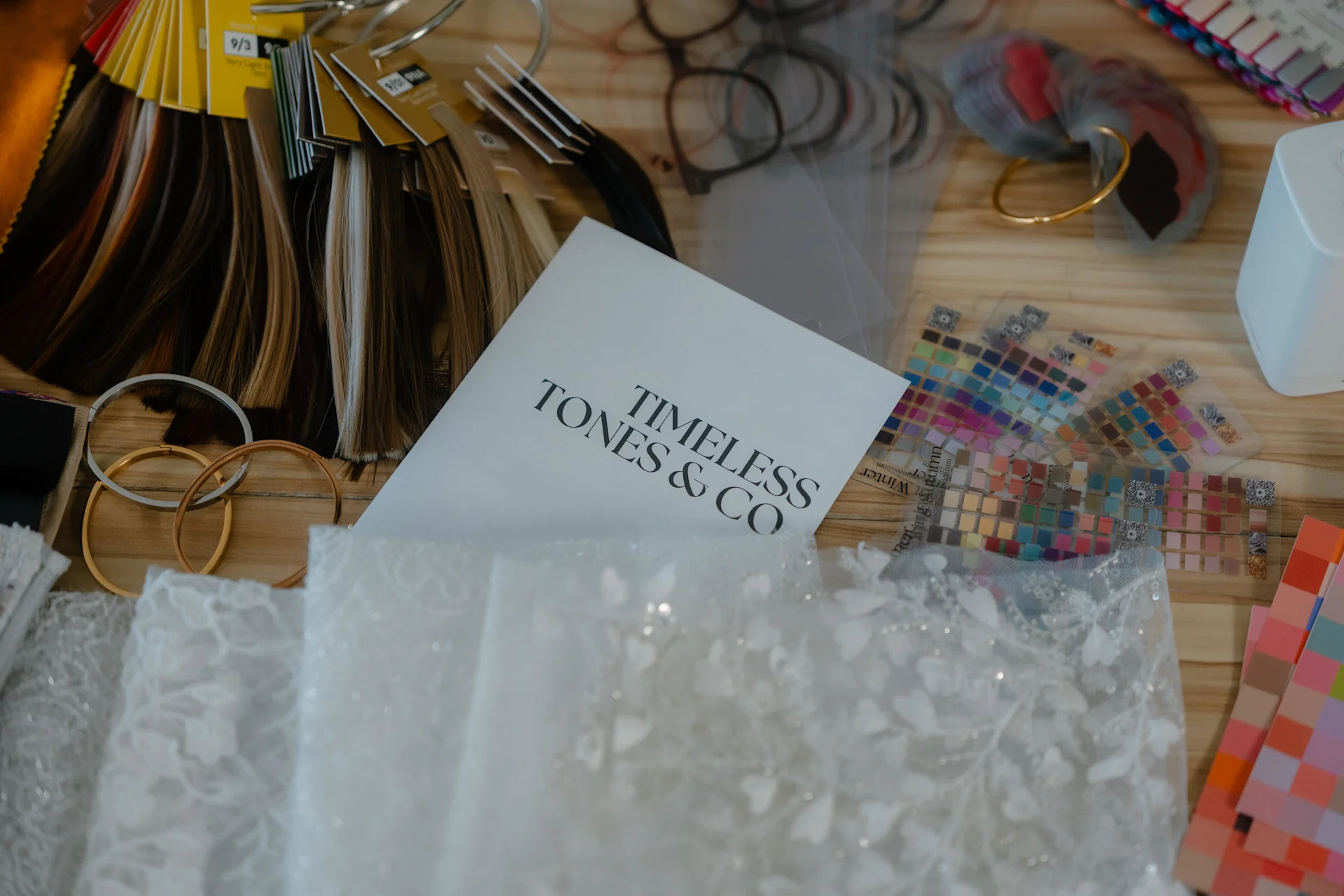
A: Bridal analysis is more about building a full look rather than just picking colors. We look at details like fabric (lace vs structured), finish (matte vs silk), and even things like beading or jewels, since those can affect how your features show up.
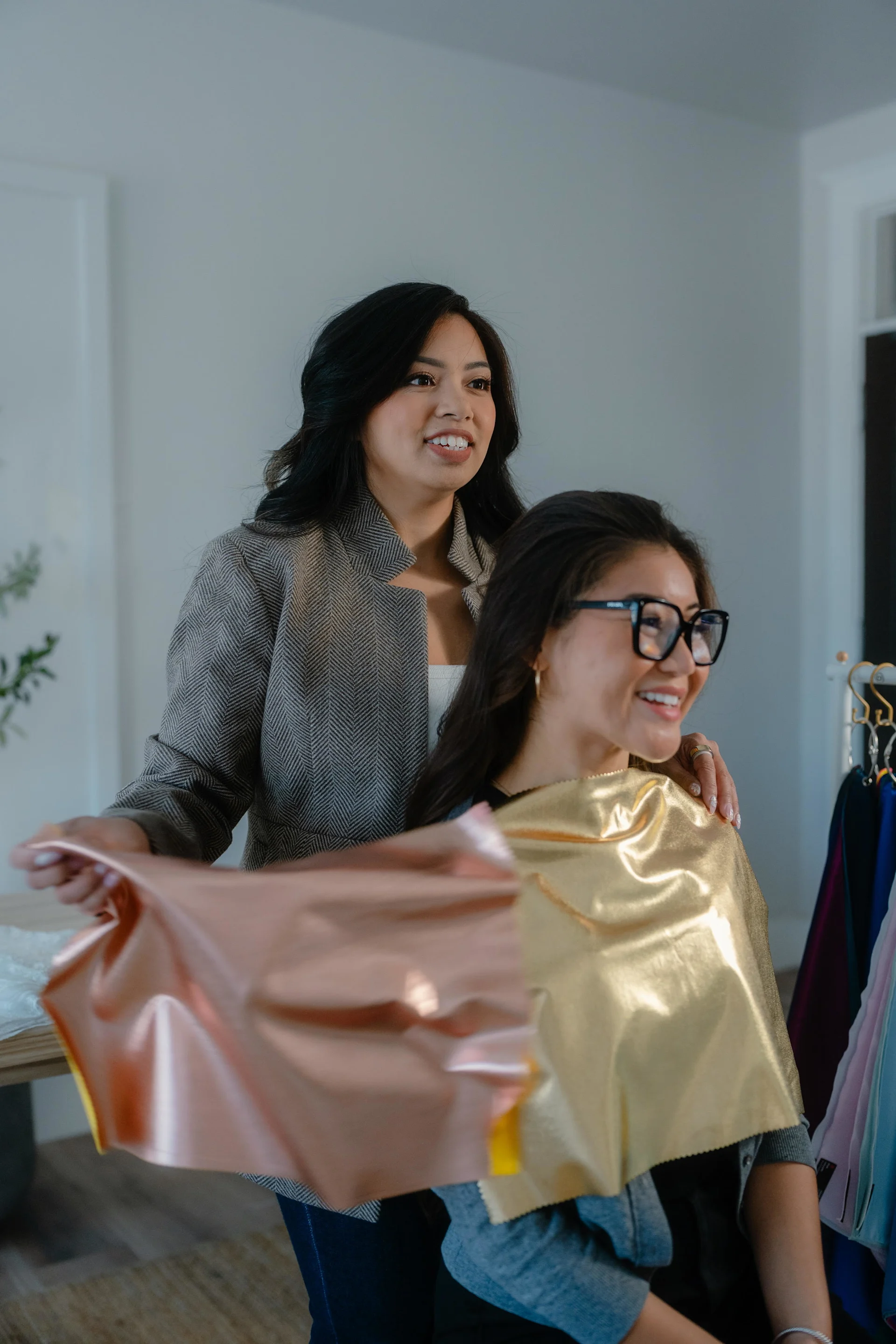
Dress color also matters more than people think. “White” isn’t just one shade, and the wrong one can wash you out, especially in photos. We also consider the full palette, like the groom’s suit and bridesmaid colors. You can either highlight the bride or choose tones that flatter everyone individually. It just depends on the vision.
Q: We think color analysis sounds like the perfect bachelorette party activity. How does something so individual translate to a group setting?
A: Even though it’s individualized, it works really well in groups. I start with a quick education portion, then go one by one. But everyone gets to watch, so you see the differences in real time. It ends up being really interactive and fun, and people learn not just about themselves, but how color works overall.
Book a bridal color analysis with Jelyca
We love how Jelyca approaches color in a way that feels both personal and practical. For brides and wedding parties interested in exploring color analysis, you can learn more about Jelyca’s work at Timeless Tones & Co. on her website.
Discover Wedding Makeup Artist Recommended by the Asian Diaspora
Stay tuned for more Makeup Artist Spotlights, where we celebrate the talented makeup artists in our directory. All our artists are selected for their skill, talent, and experience with Asian beauty.
Explore our Directory