Vendor Spotlight: Q&A with Bo Hyun Kim of Piuri Fleur
Meet Bo Hyun Kim, a New York floral designer who blends Eastern and Western design philosophies through her wedding arrangements.
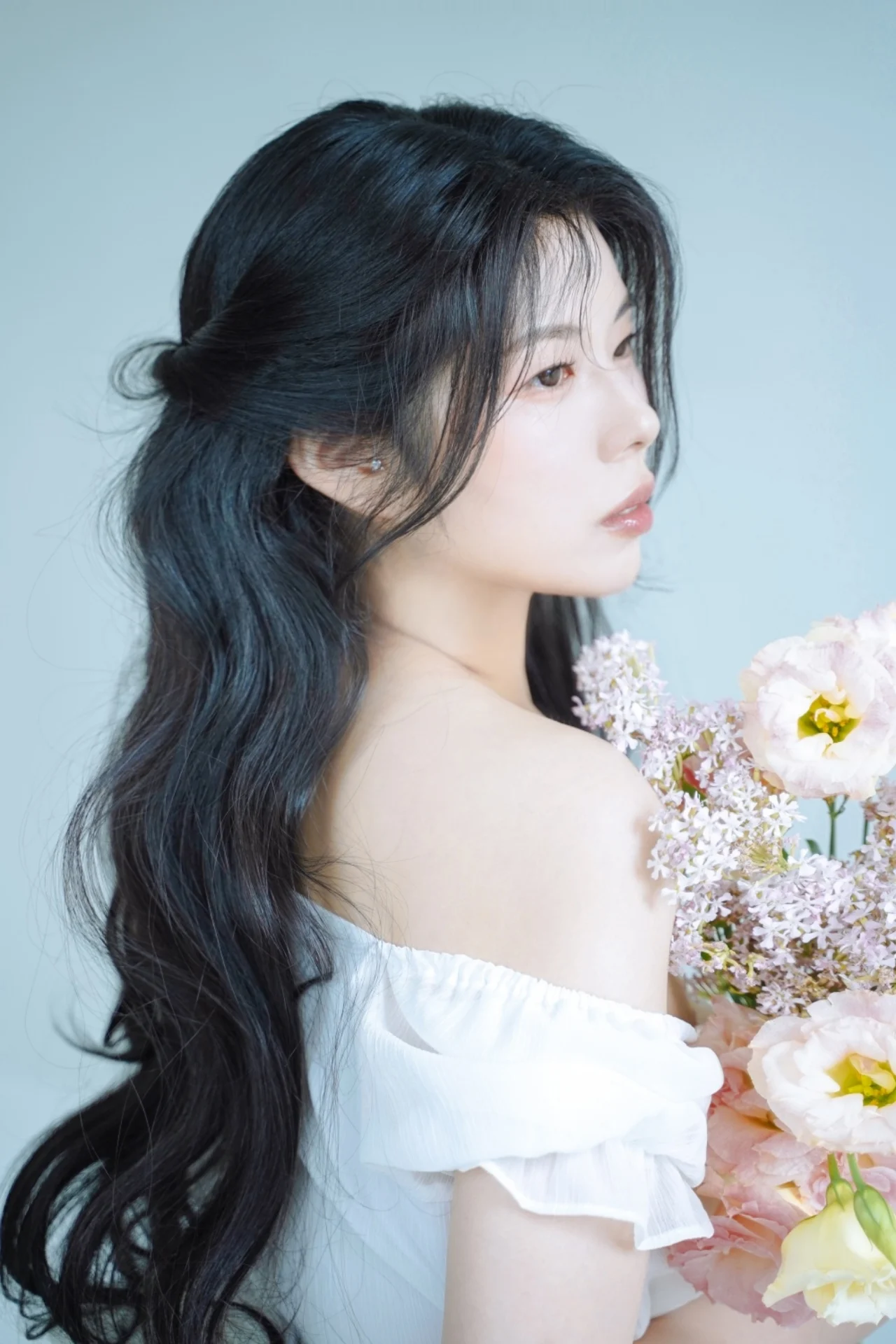
If floral design is a language, then Bo Hyun Kim is bilingual. As the head designer behind Piuri Fleur, Bo Hyun combines the structured principles of Western design with the meditative intentionality of Kkotkkoji, a traditional Korean floral art form. Trained in Seoul and New York, Bo Hyun brings over a decade of experience to her studio in Long Island City, designing custom wedding florals and teaching Kkotkkoji classes for those looking to slow down and connect with the craft.
In this Q&A, Bo Hyun takes us through her journey: from gardening with her grandmother as a child, to working at some of Seoul’s most celebrated wedding venues, to building her own studio where Korean and Western aesthetics can flourish together.
Q: How did you find your passion for floral design?
A: Growing up, I loved spending time with the flora of my childhood home: I would crouch beside my grandmother to tend to her gardens and help my father prune the weeping cherry trees and forsythia lining our driveway. There was nothing as exciting as visiting garden centers with my family, so I've been passionate about flowers for as long as I can remember.
However, I didn't initially plan on this career. During university, I took a leave of absence due to health issues and began working at a Korean-owned flower shop. As I worked my way up from cleaning buckets to designing arrangements, I fell in love with the craft all over again. I eventually committed to the field by taking courses at the New York Botanical Garden and moving to Korea to earn my national certificate in general floristry and a license as an instructor in Kkotkkoji. During my two years in Seoul, I worked for some of the country's best-known wedding venues, and my appreciation for this art continues to grow.
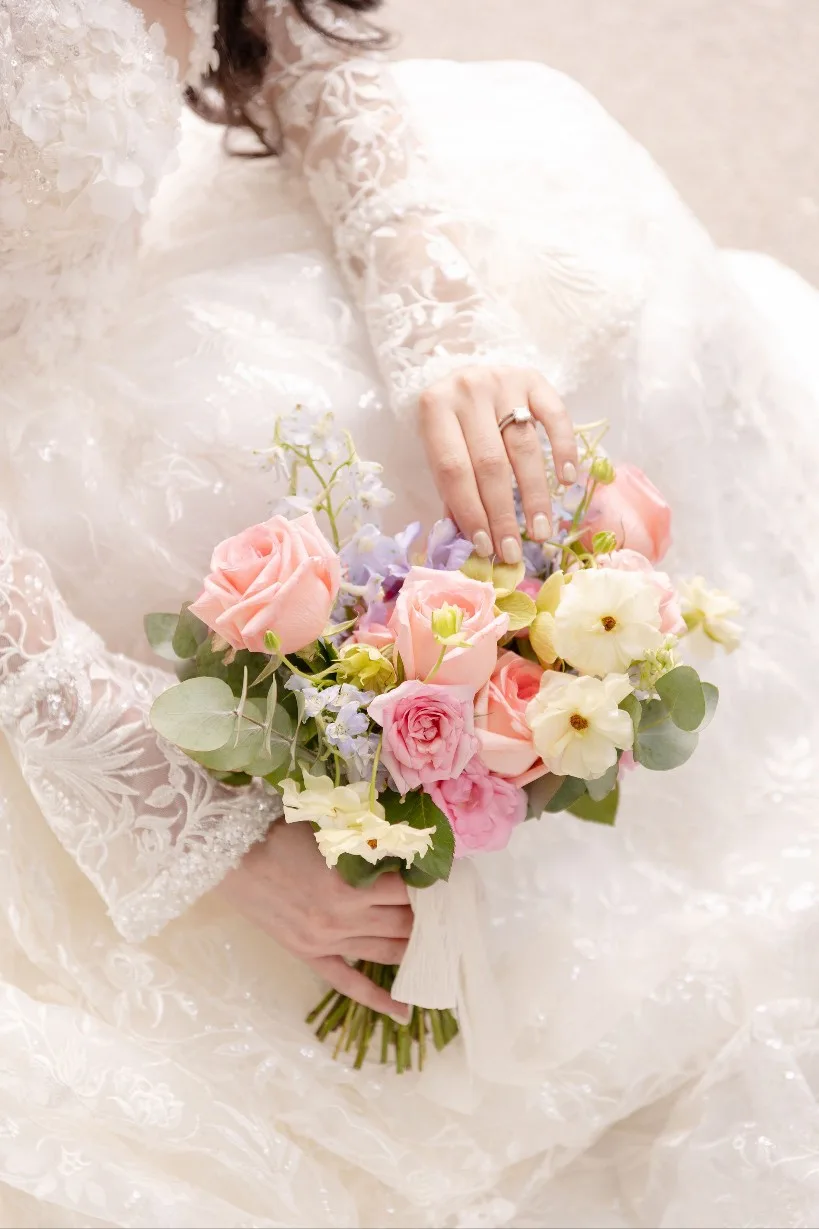
Q: Why is it important to you to teach a traditional art form like Kkotkkoji?
A: Practicing and teaching Kkotkkoji is a top priority because it is inherently a method of meditation. It keeps me grounded when commercial floristry can feel mundane. Furthermore, Western society sometimes lumps distinct Asian cultures into one Pan-Asian mélange. I want to honor our cultures and appreciate what makes each unique; for me, that means keeping Kkotkkoji alive by practicing it and teaching others.
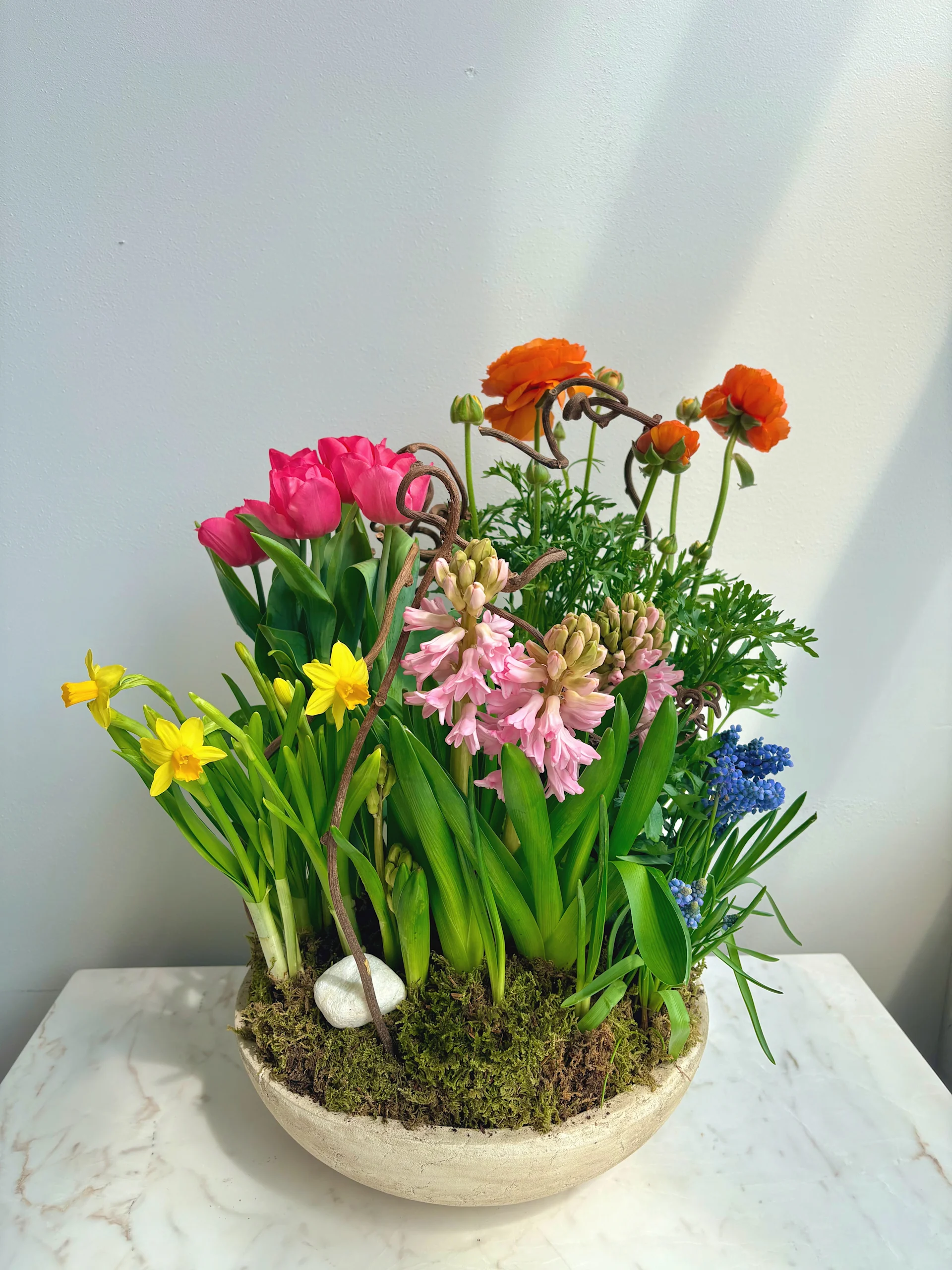
Q: How do Western and Eastern philosophies influence your wedding arrangements?
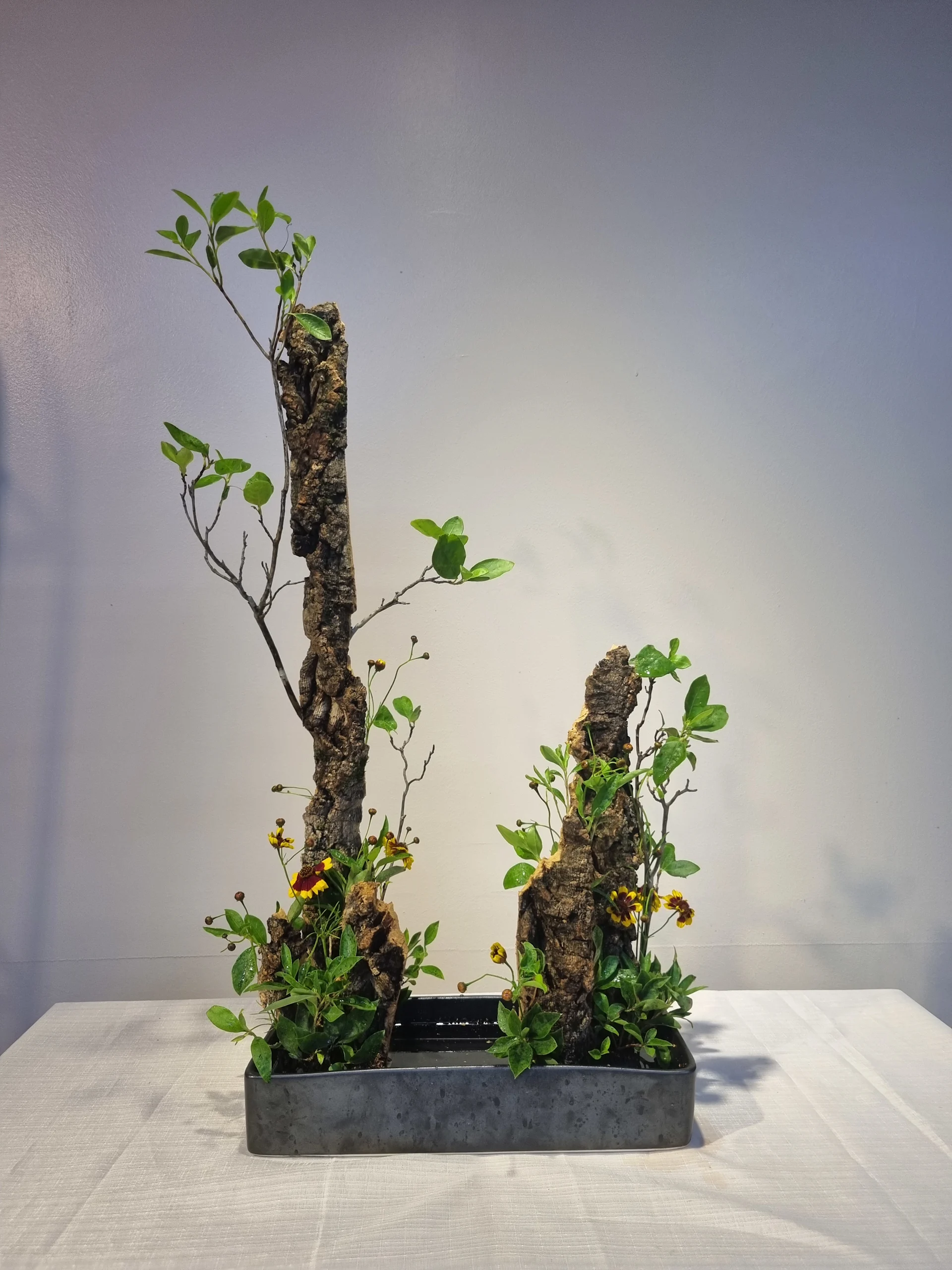
A: The philosophy behind Kkotkkoji is rooted in intentionality—the idea that emptying is filling. The negative space in an arrangement is just as important as its lines and volume.
In contrast, Western floral design excels in its principles and taxonomic styles, which provide clear directives for execution. For example, a formal linear arrangement for a modern art gallery requires a very different approach than a millefleurs arrangement for a French chateau wedding. Combining these philosophies allows for a design that is both technically precise and philosophically grounded.
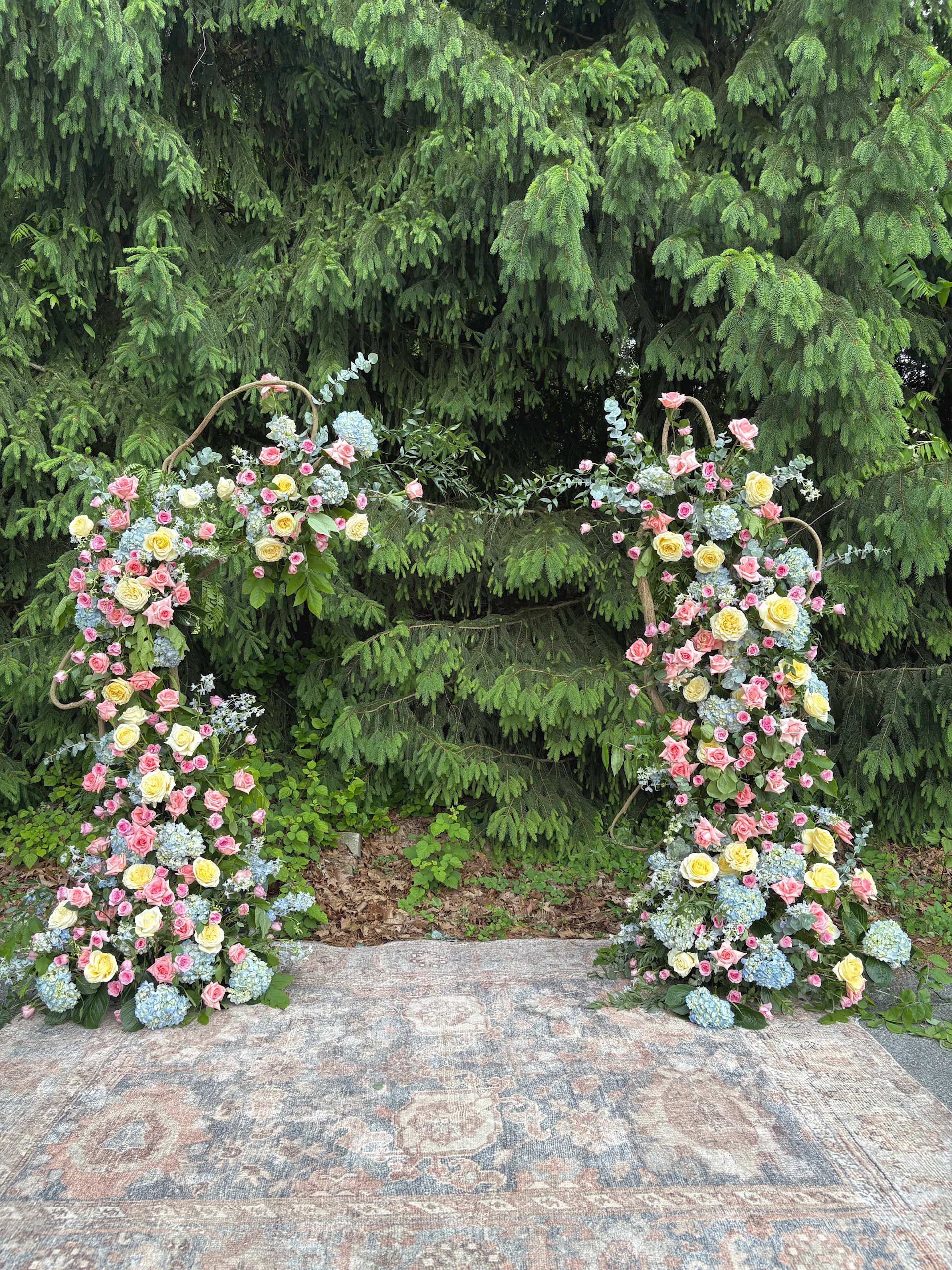
Q: What advice would you give an Asian American bride who wants to incorporate her culture into her florals?
A: Know your culture. Learn about the customs and symbolism that align with your values, whether it is a specific flower, a traditional color palette, or authentic vases. While vendors can learn the theory, they are there to make your specific vision a reality, so it is important to tell them which details are most meaningful to you.
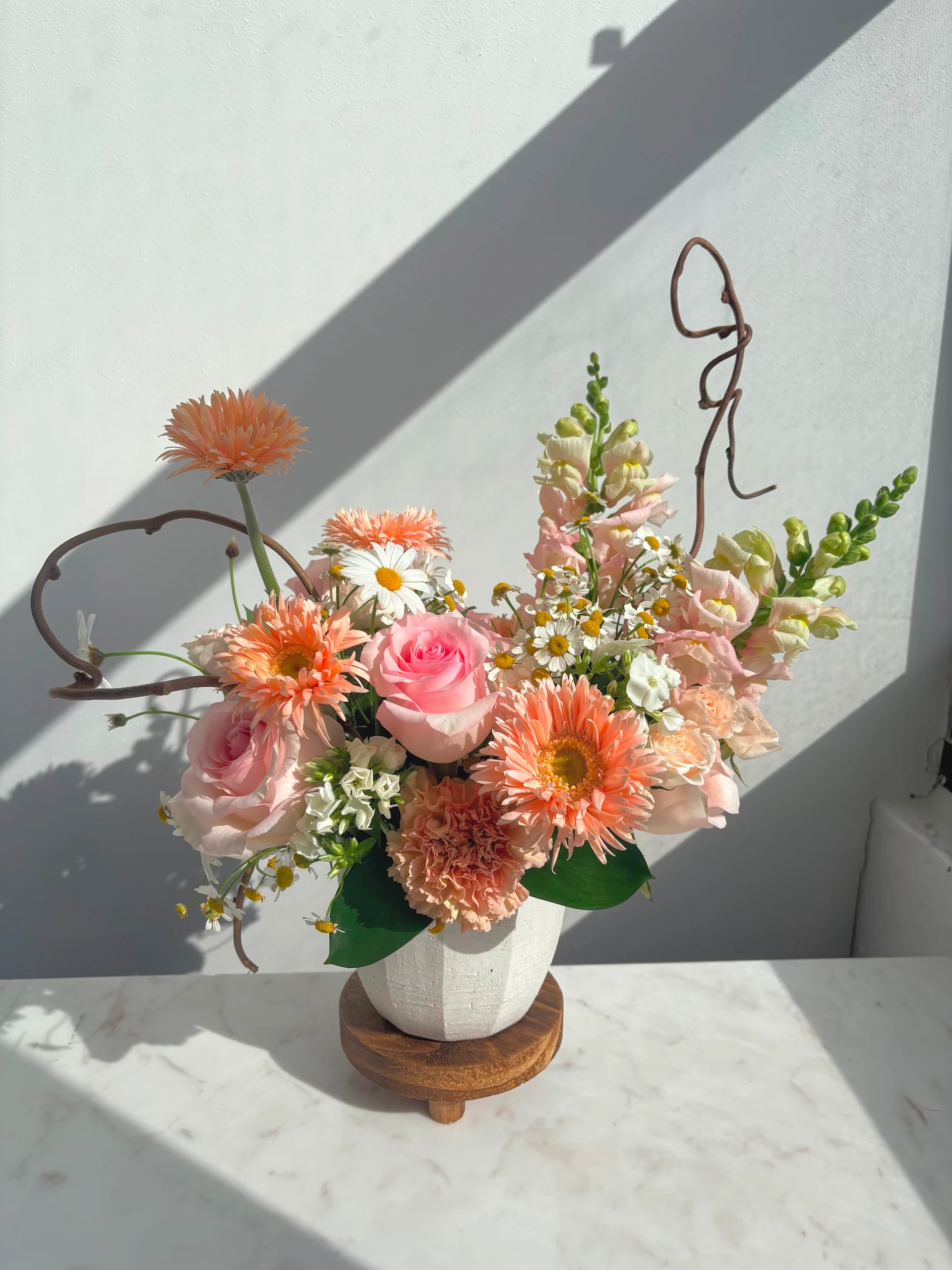
Q: What's an underrated floral detail that more brides should know about?
A: Unless you are using a monochromatic palette, be wary of using stark white or black. Instead, try to match specific tints, shades, and tones. For instance, adding white flowers to an autumn palette or black vases to a light summer palette can create a lack of consistency. A basic understanding of color theory will significantly elevate the quality of the design.
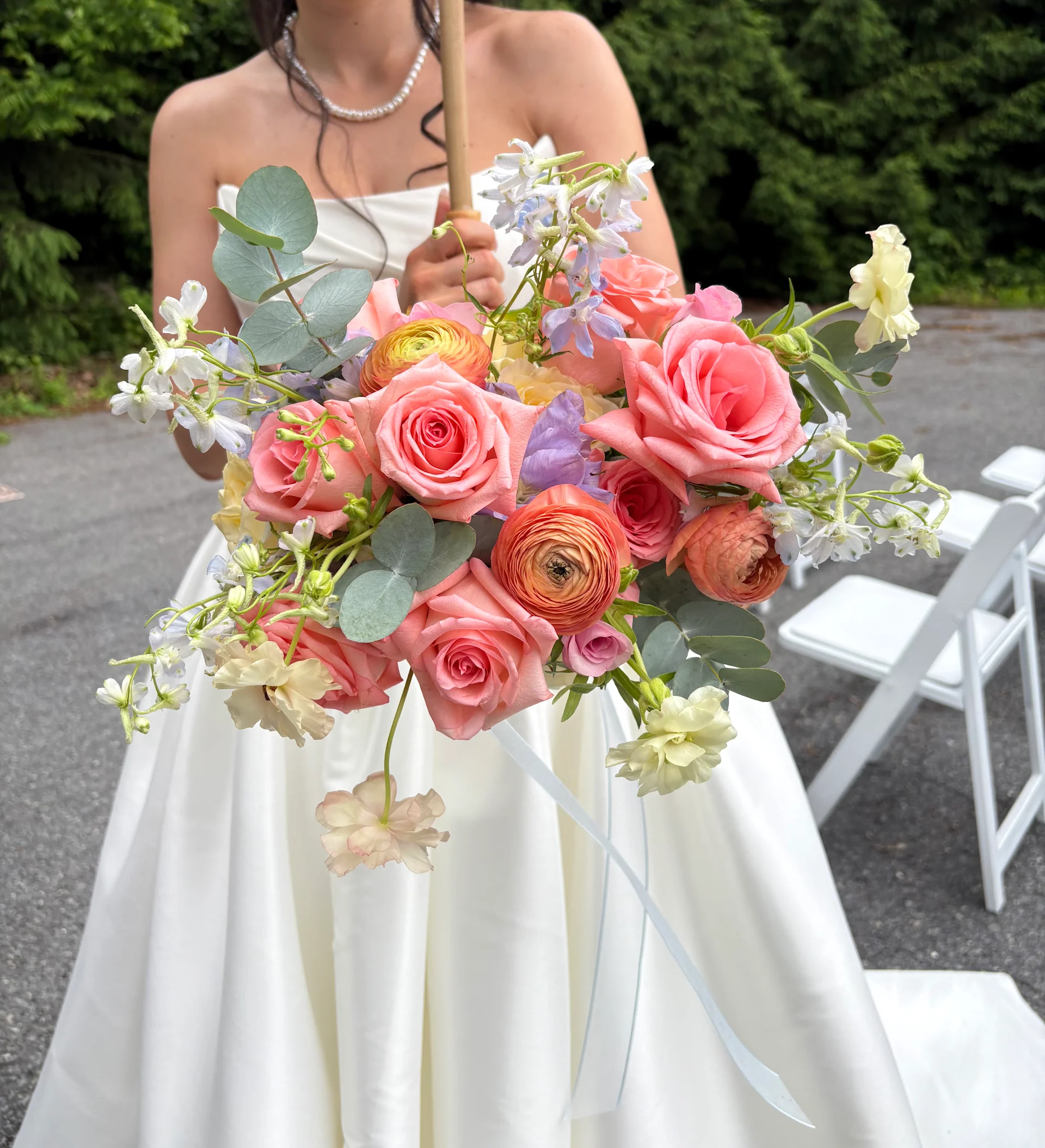
Book Bo Hyun for Your Wedding
We're inspired by Bo Hyun's work and her ability to find harmony between two distinct floral traditions. She also works with clients in both Korean and English. If you're interested in working with Piuri Fleur and Bo Hyun for your wedding flowers, visit her website to learn more.
Discover Wedding Makeup Artist Recommended by the Asian Diaspora
Stay tuned for more Makeup Artist Spotlights, where we celebrate the talented makeup artists in our directory. All our artists are selected for their skill, talent, and experience with Asian beauty.
Explore our Directory