The Best Sunscreen to Prepare for Your Wedding: A Guide to Korean, Japanese, and American Formulas
Luke D. • August 7, 2026
Learn the difference between Korean, Japanese, and American sunscreens and how to choose the right one for you.
One of the most important parts of beauty care is skincare. When you are preparing for your big day, especially during the summer, finding the right sunscreen for both your skin and situation matters. While there are tons of choices at your local drugstore, there are also many beauty influencers who use Korean or Japanese sunscreens that can’t be found there. But how come? And does it matter?
It turns out that where your sunscreen is made actually changes what it can do for your skin.

Why Does It Matter Where My Sunscreen Is Made?
Sunscreen formulas aren't all the same across countries. In the U.S., the FDA limits which UV filters can be used in sunscreen and is very slow to approve new filters. This means some ingredients common in Korean and Japanese products simply aren't approved here yet.
This means Korean and Japanese brands have access to a wider toolbox of UV filters, which often feel lighter on the skin. This allows the sunscreens to blend seamlessly without the chalky white cast that heavier mineral formulas can leave on deeper skin tones. Their sunscreens also multitask beyond basic UV protection, incorporating hydrating ingredients such as hyaluronic acid.
On the other hand, American sunscreens are limited to a smaller number of UV filters. That’s not to say they’re bad products. American mineral sunscreens are particularly great for water resistance and sweat resistance. Silicone-based sunscreens like Supergoop’s products are widely loved for lightweight textures. However, the smaller number of UV filters means you’ll get less variety. But there’s hope on the horizon for American shoppers: in June 2026, the FDA finally approved a next-gen UV filter called bemotrizinol, which is the first new UV filter it has approved in 25 years. Products with bemotrizinol will be allowed in U.S. stores, giving beauty enthusiasts easier access without shopping overseas.
If you’re not feeling patient, can you just buy a Korean or Japanese brand at your local beauty store? Not quite. You are likely buying a U.S.- formulation version of the product that uses the approved U.S. filters, instead of the original product with next-gen UV filters. This is why some beauty enthusiasts buy their sunscreen overseas when visiting Asia. Reputable online retailers like Stylevana also provide a way to ship Korean and Japanese sunscreens to America.
SPF vs. PA: What Do The Numbers And Symbols Actually Mean?
Choosing the right sunscreen starts with understanding what's on the label to see what it offers. One of the first things that is printed on the front of a sunscreen is the terms “SPF” and “PA,” but what do they actually mean, and how do they help you?
When your skin is exposed to the sun for a long time, it is also exposed to various forms of radiation that can damage it. Two types of light that the skin is exposed to are ultraviolet light. Specifically, UVA and UVB rays. UVA can penetrate deeper into the skin than UVB and can cause skin aging, wrinkles, and skin pigmentation. UVB rays affect only the outer layer of the skin; however, they can cause sunburn and skin cancer. Sunscreens have labels that measure the protection against the different types of UV rays.
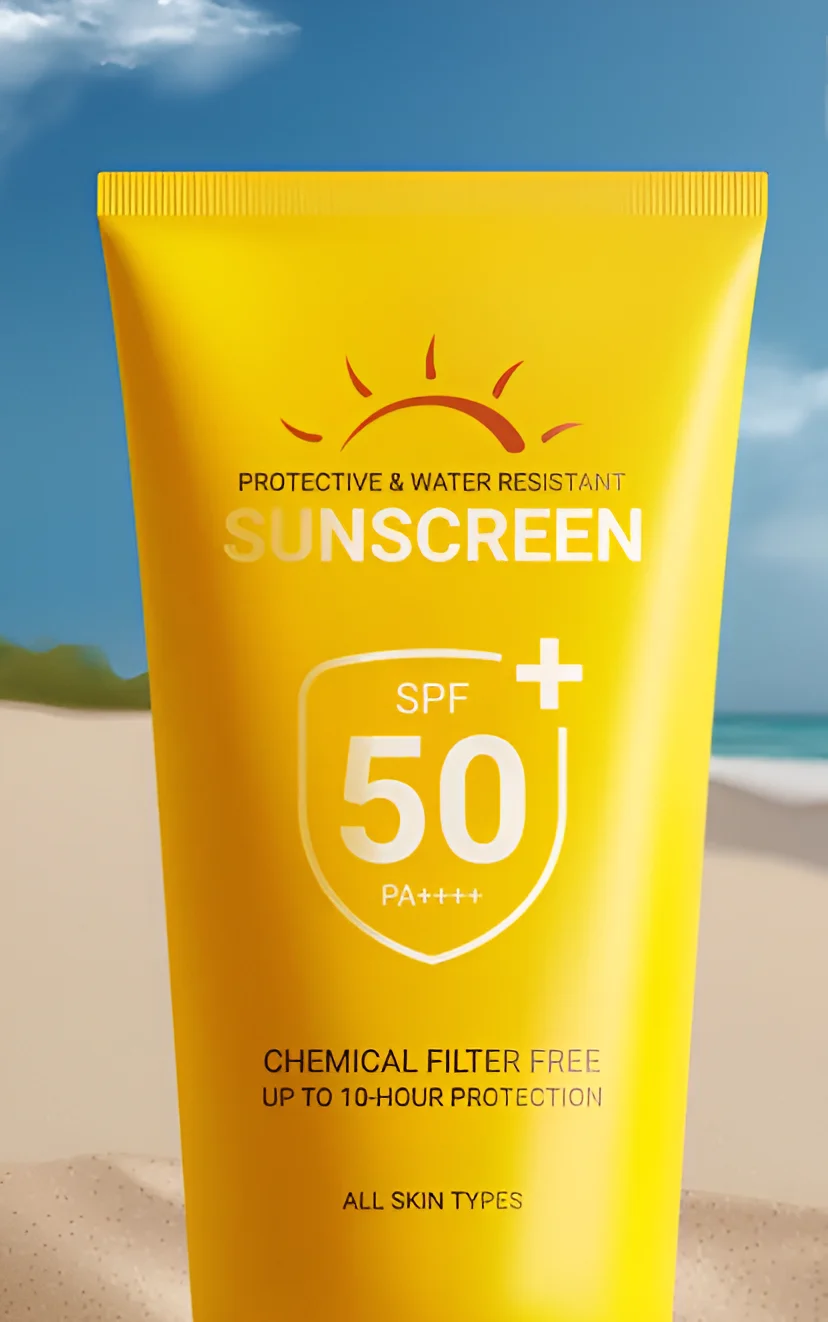
SPF (Sun Protection Factor) measures how well a sunscreen protects against UVB rays, the ones responsible for sunburn. For example, SPF 50 blocks around 98% of UVB rays. PA (Protection Grade of UVA) measures protection against UVA rays. The more "+" symbols after PA, the stronger the protection, up to PA++++.
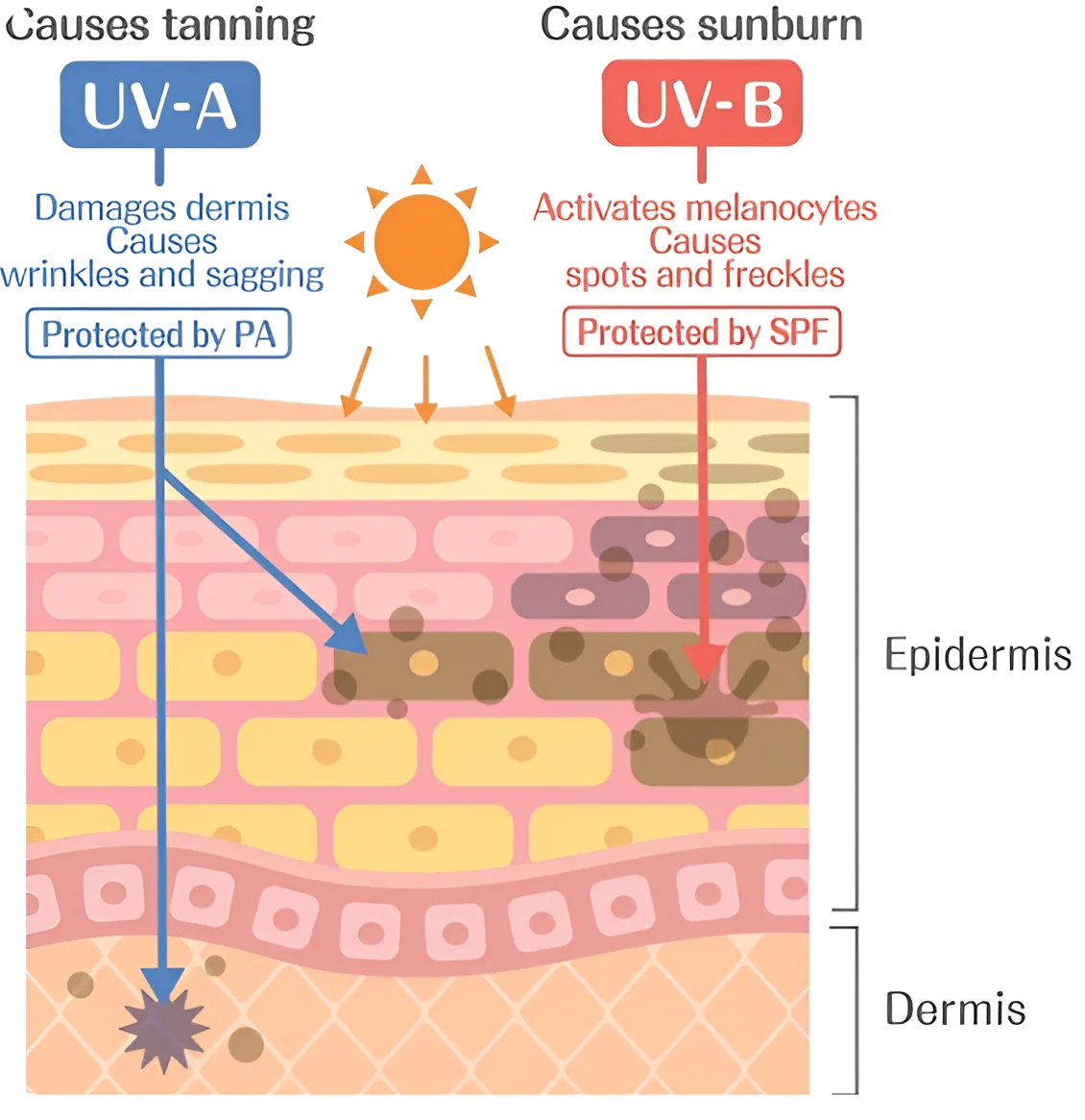
When looking for the right sunscreen, choose one labeled “SPF 30” or higher. When looking for PA, it is recommended to find one that has three or four “+” after it.
One note to consider is that some American sunscreens don’t usually show “PA,” since it's not a labeling requirement here. That doesn't mean they lack UVA protection; it just means you won't see it spelled out the way you would on a Korean or Japanese bottle. The Japanese and Korean regulations require sunscreens to cover and follow both SPF and PA testing and to label their sunscreens with the grading for both ratings.
Which Sunscreen Fits My Wedding Skincare Routine?
So which sunscreen products should you put on in the months leading up to your wedding? The answer will depend on your skin type and your daily activities. Choosing the right sunscreen depends on a mix of the type and amount of protection it provides, your skin type and tone, and your daily routine.
What Works For My Skin?
Once you know what the labels mean, the real question becomes: which formula actually works for your skin? That depends less on where it's made and more on your skin type.
If you have oily or combination skin, water-based or gel sunscreens tend to feel the most comfortable and won't add extra shine. If your skin runs dry or sensitive, look for hydrating, milky, or lotion-based formulas that add moisture while they protect. Japanese products also offer UV stick sunscreens, which can be applied and reapplied without ruining your makeup. If your skin gets easily irritated, a mineral sunscreen may be gentler than a chemical one.

Korean sunscreens are especially known for their chemical filters that are absorbed into the skin without leaving a white cast, making them a popular pick for deeper skin tones. That said, skin tone isn't the only factor. Your skin's texture and sensitivity matter just as much when you're choosing a formula you'll actually enjoy wearing.
What Works For My Day?
Your sunscreen choice will also be influenced on what you’re doing that day.
For a day where you don’t expect to sweat and you’re mostly indoors, Korean and Japanese sunscreens are a great everyday choice because of their light and comfortable feel. If you plan on layering the sunscreen with makeup, these sunscreens are also a good choice as they can be applied under your makeup without being visible. Just know that because they're so light, they need more frequent reapplication, especially if you’re sweating.
On the other hand, if your day involves outdoor exercise, swimming, or sweating under the sun, American sunscreens tend to offer stronger water resistance and staying power. They're built for exactly that kind of extended, high-sweat exposure.
Bringing It All Together
As you build your skincare routine leading up to your wedding day, remember there's no single "correct" sunscreen, just the one that fits your skin and skin tone. Whether you're drawn to a Korean formula for its glassy finish, a Japanese one for its hydrating softness, or an American one for beach-ready water resistance, your skin will thank you for protecting it.
Sunscreen List
To make it easier, we've rounded up our favorite sunscreens below, sorted by the formula types.
Mineral sunscreens
Reef-safe and gentler for sensitive skin. Mineral sunscreens don’t have to leave a white cast: these AAPI-owned picks are tested across skin tones.
Tower 28 SunnyDays
SPF 30
Tinted foundation, 17 shades
Cocokind Daily
SPF 32
Untinted, lightweight texture
Lion Pose UNGHOSTED
SPF 42
Sheer tinted, squalene for hydration
Chemical sunscreens (USA)
Weightless and easy to layer under makeup. These picks have the dewy texture of K-Beauty sunscreens, but with FDA-approved UV filters. That means they're easier to buy in the USA, no overseas trip required.
Peach & Lily Beam Blocker
SPF 30 PA+++
Dewy “glass skin” finish
KraveBeauty Beet the Sun
SPF 40 PA+++
Lightweight and hydrating, with antioxidants
Then I Met You Essence Light Sunscreen
SPF 50 PA+++
Essence texture, great under makeup
Chemical sunscreens (Asia)
These picks aren’t AAPI-owned but they’re worth knowing about. Countries like Japan and Korea use next-gen UV filters that the USA hasn’t approved yet. The original formulas have to be imported or bought overseas.
Biore UV Aqua Rich Watery Essence
SPF 50+ PA++++
Cult-favorite from Japan, very light texture
Skin1004 Madagascar Centella Hyalu-Cica Water-Fit Sun Serum
SPF 50+ PA++++
Korean favorite with a satin finish
Explore More Resources for the Asian Diaspora
We're excited to bring you blog posts that highlight the richness of the Asian Diaspora. We aim to create a space where you can find inspiration, tips, and stories that resonate with your unique experiences.
If you're in search of a makeup artist for your own wedding, we also have a directory of talented makeup artists who are experienced with Asian features. We hope it makes your wedding planning journey a little easier!
Find a Makeup Artist