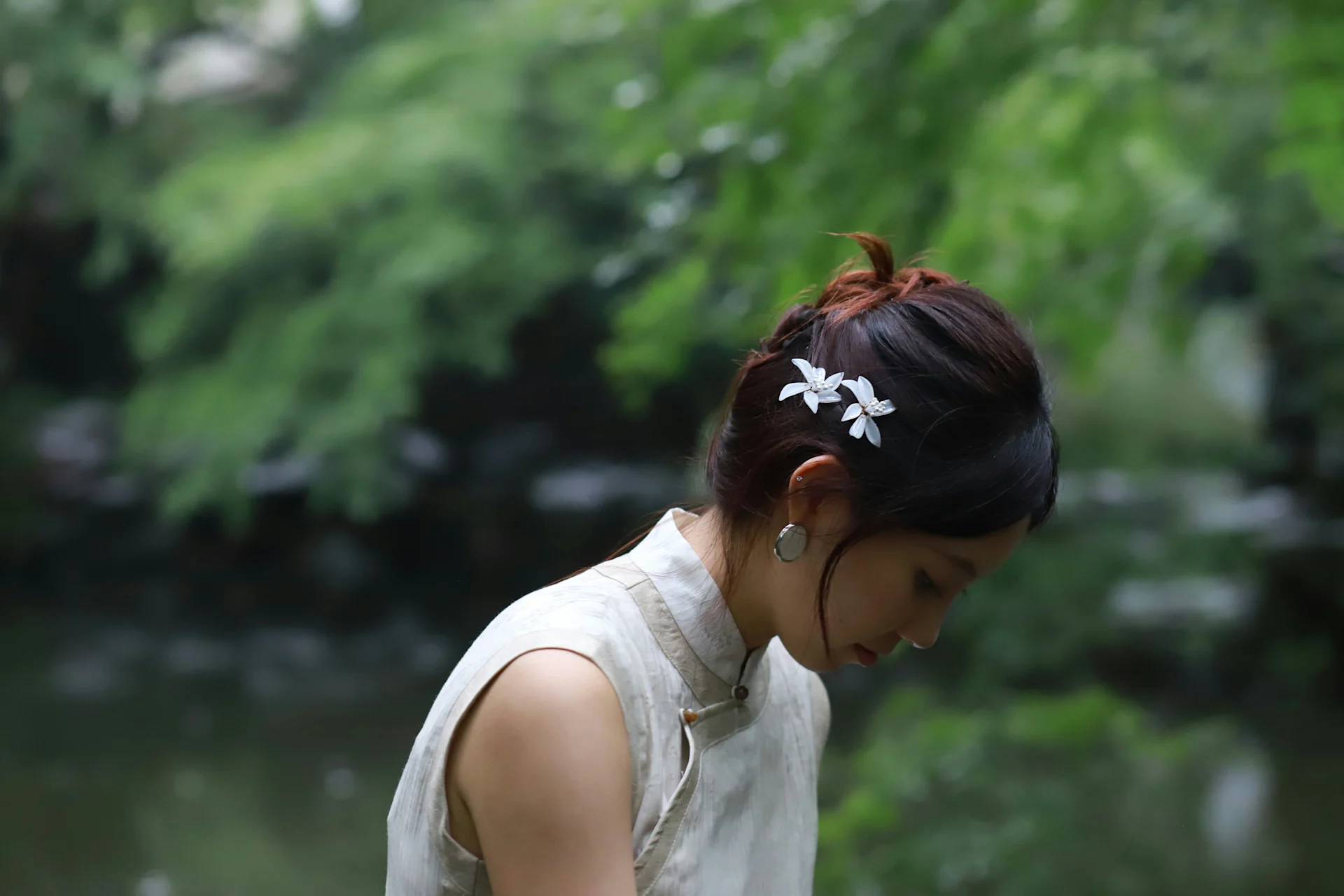
How to Choose a Chinese Hairpin: Traditional Styles, Materials, and Motifs for Your Wedding
Luke D. • November 11, 2026
Explore Chinese hairpin styles, materials, and symbolic motifs to find the perfect bridal hair accessory for your wedding look.
Whether you’re wearing a Western-style wedding gown or a qipao (cheongsam), your hair accessories can make your look feel truly personal. Once you’ve chosen your hairstyle, it’s time to find the right hair ornament that fits the aesthetic and symbolism you envision.
Traditional Chinese hairpins are as meaningful as they are beautiful, carrying centuries of history and culture. Here, we’ll walk through the styles, materials, and motifs so you can find the perfect piece for your wedding look.
Choose a Hairpin Style
The main styles of Chinese hairpins differ in shape and in how they’re worn. Knowing the difference can help you choose the one that best suits your wedding hairstyle.
Zan (簪): The Classic Single-Prong Hairpin
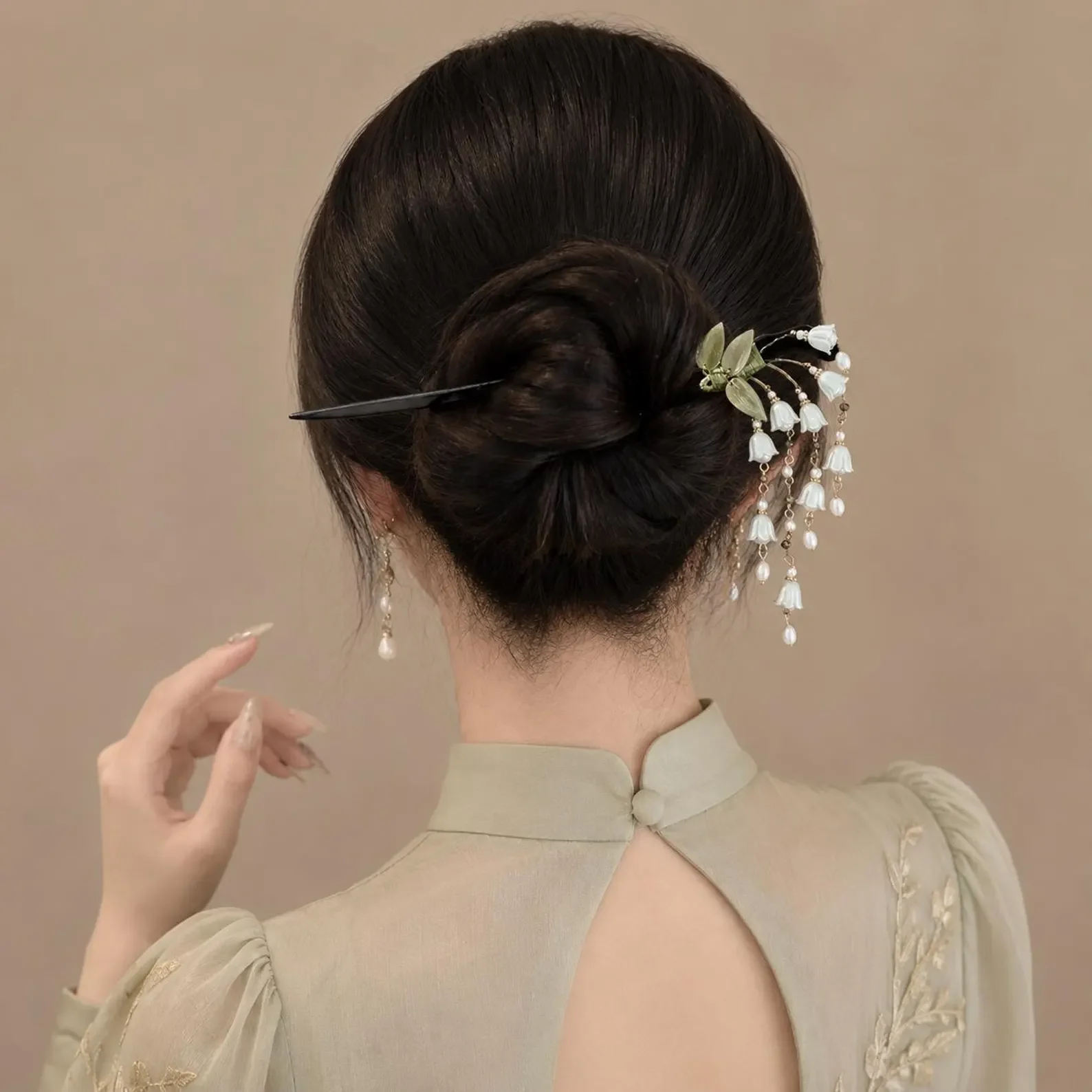
The zan is one of the most recognizable traditional Chinese hair accessories. This single-pronged hairpin slides through a bun or updo to hold it in place, and it can also serve as a decorative accent. Designs range from slim and understated to highly ornate.
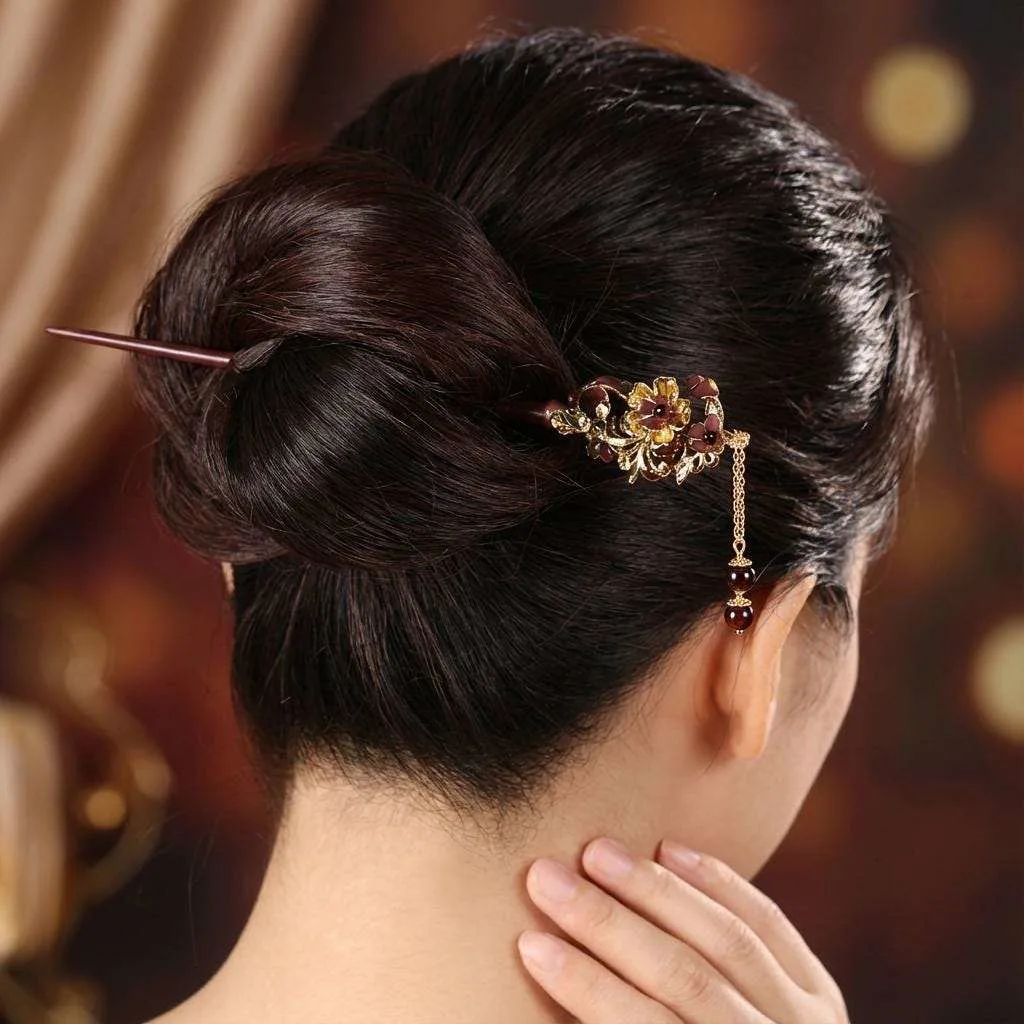
The zan is also connected to an important Chinese coming-of-age tradition: the ji li (笄礼), or hairpin ceremony. Traditionally performed when a girl reached 15, the ceremony marked her transition into adulthood. Her hair was arranged and secured with a zan to mark the milestone, which also signaled she was old enough to marry.
For brides, wearing a zan connects you to a tradition that marks a new stage of life. If you want a slim, versatile pin that works as both a fastener and an accent, a zan is a good fit.
Chai (钗): The Two-Pronged Hairpin
A chai usually refers to a two-pronged hairpin. Its two prongs can provide additional stability when securing a hairstyle.
The chai also carries romantic symbolism. In classical Chinese poetry, lovers were sometimes said to split a chai in two, each keeping one prong as a token of devotion. For a bride, its two joined prongs can stand for a union of two people. If you're looking for something that combines romantic symbolism with a practical hold, a chai is a good option.
Buyao (步摇): The Hairpin That Moves With You
If you've ever seen a traditional Chinese hair ornament with delicate dangling chains, beads, or flowers that sway as the wearer walks, you've likely come across a buyao.
The name buyao means “step-shake” in Mandarin, and its suspended decorations gently sway with each step, adding movement and dimension to a hairstyle.
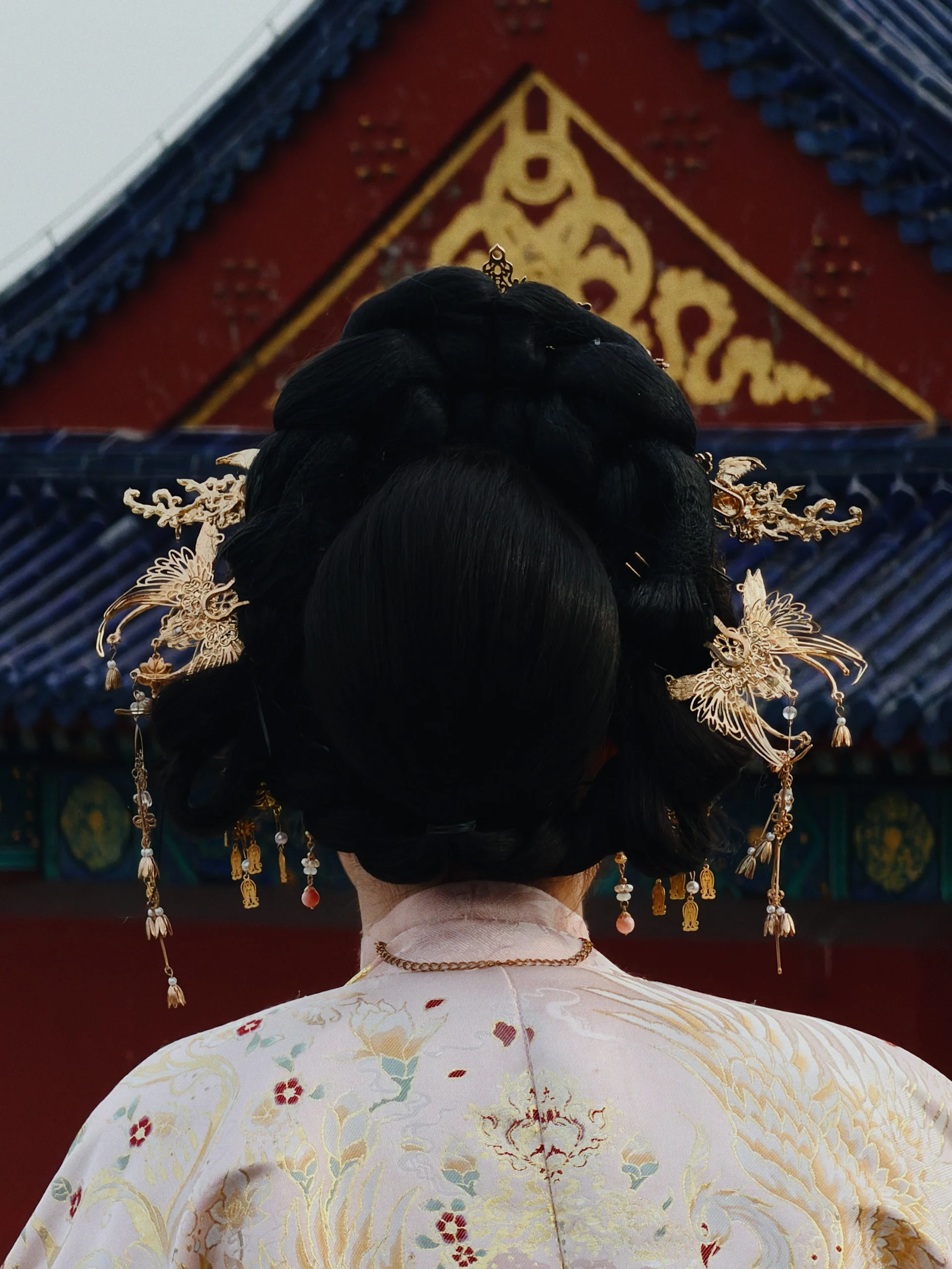
Buyao ornaments became popular during the Han Dynasty (202 BC–220 AD), when they were initially associated with noblewomen in the royal family. Over time, their use spread beyond royal and noble circles. Today, buyao-inspired accessories are popular for Hanfu photoshoots, weddings, cultural events, and other formal occasions.
A buyao is a good fit if you want your hairpin to be the statement piece of your look. Its dangling elements add movement and sparkle to photos, so be sure to check with your hair stylist that it’s secure and comfortable enough to wear all day.
Choose a Hairpin Material
Once you’ve chosen a style, the next decision is what it’s made of. From gold and silver to carved wood and jade, each material has its own look, history, and cultural meaning.
Metal Hairpins: Gold and Silver
During the Tang Dynasty, metal hairpins were associated with noble women and often featured substantial, textured designs. Gold and silver were popular choices, and their sturdy construction supported elaborate hairstyles. The intricate designs associated with the Tang and Song Dynasties still inspire contemporary hairpins today.
Gold and silver hairpins are lovely choices for adding a touch of traditional elegance. Gold brings warmth and a celebratory feel, while silver offers a softer, more delicate appearance. Both pair beautifully with traditional Chinese wedding attire.
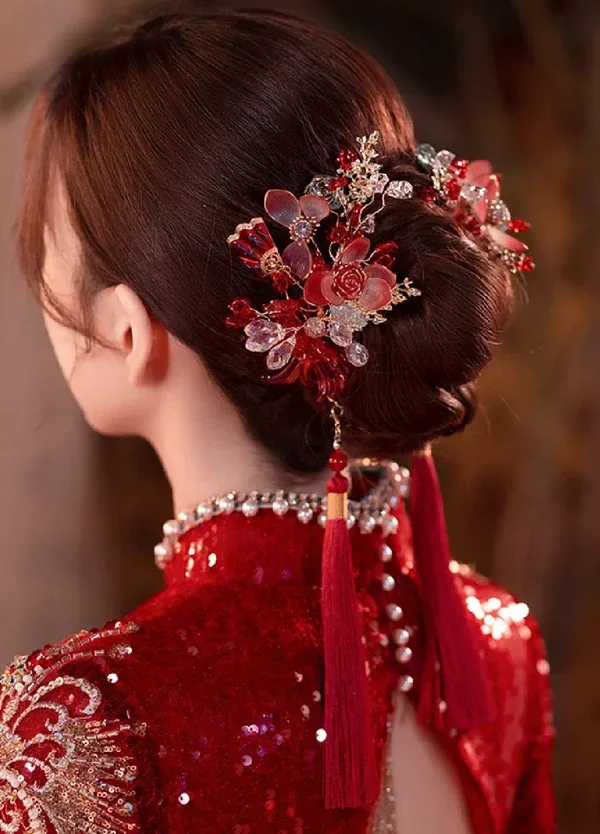
Wooden Hairpins: Natural Beauty and Traditional Craftsmanship
Wooden hairpins offer a different kind of beauty. Historically, they were a more accessible alternative to metal hairpins, and artisans often decorated them with intricate carvings, inlays, or details that highlighted the wood's natural grain.
Each wood piece has its own grain and texture. While less common today, some artisans still hand-carve their pieces, emphasizing the wood's design, detail, and texture.
If you prefer something natural and understated, a wooden hairpin can incorporate traditional Chinese craftsmanship into your bridal hairstyle without feeling overly elaborate.
Jade Hairpins: Symbolism and Cultural Heritage
Jade holds a particularly special place in Chinese culture. Historically, jade hairpins were especially associated with noble women. Beyond its physical beauty, jade is valued for its symbolic meaning.
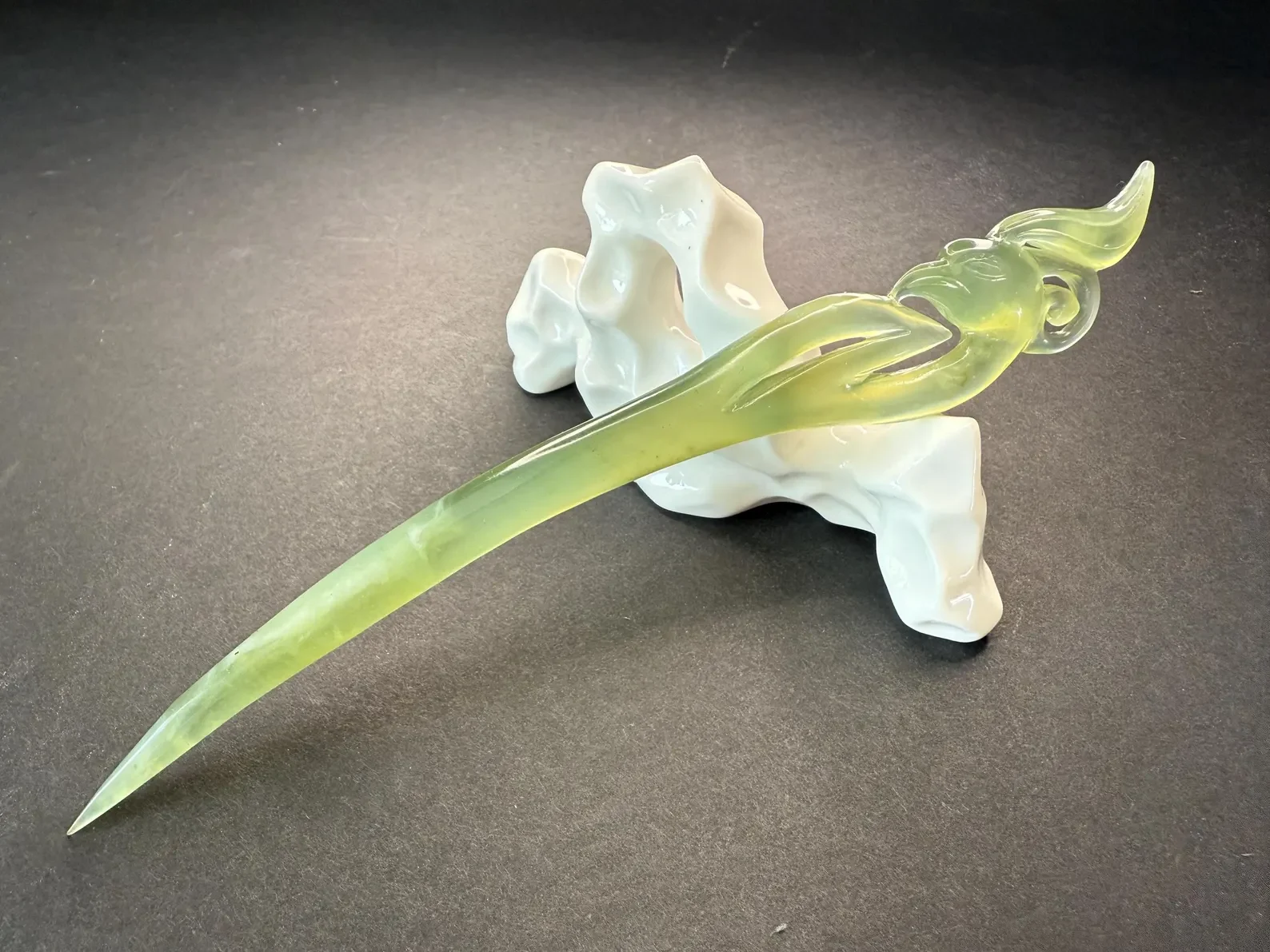
In Confucianism, jade is often associated with five virtues: benevolence, integrity, wisdom, courage, and purity. The exact wording varies across interpretations, but the central idea is that jade represents qualities worth cultivating.
A jade hairpin can be especially meaningful if you're drawn to something timeless and symbolic. It offers a beautiful way to incorporate a material with a long history in Chinese culture into a look that feels personal and meaningful.
Choose a Hairpin Motif
Beyond the material, many Chinese hairpins are decorated with motifs, each carrying its own symbolism. Lotuses, phoenixes, and dragons are among the most popular for weddings. You might be drawn to a flower, bird, or mythical creature because of what it represents, or simply love how it complements your hairstyle and outfit.
Lotus Hairpins
The lotus flower holds special meaning in Chinese culture. Rising from muddy water while blooming with untainted beauty, it has come to symbolize purity, perseverance, and enlightenment.
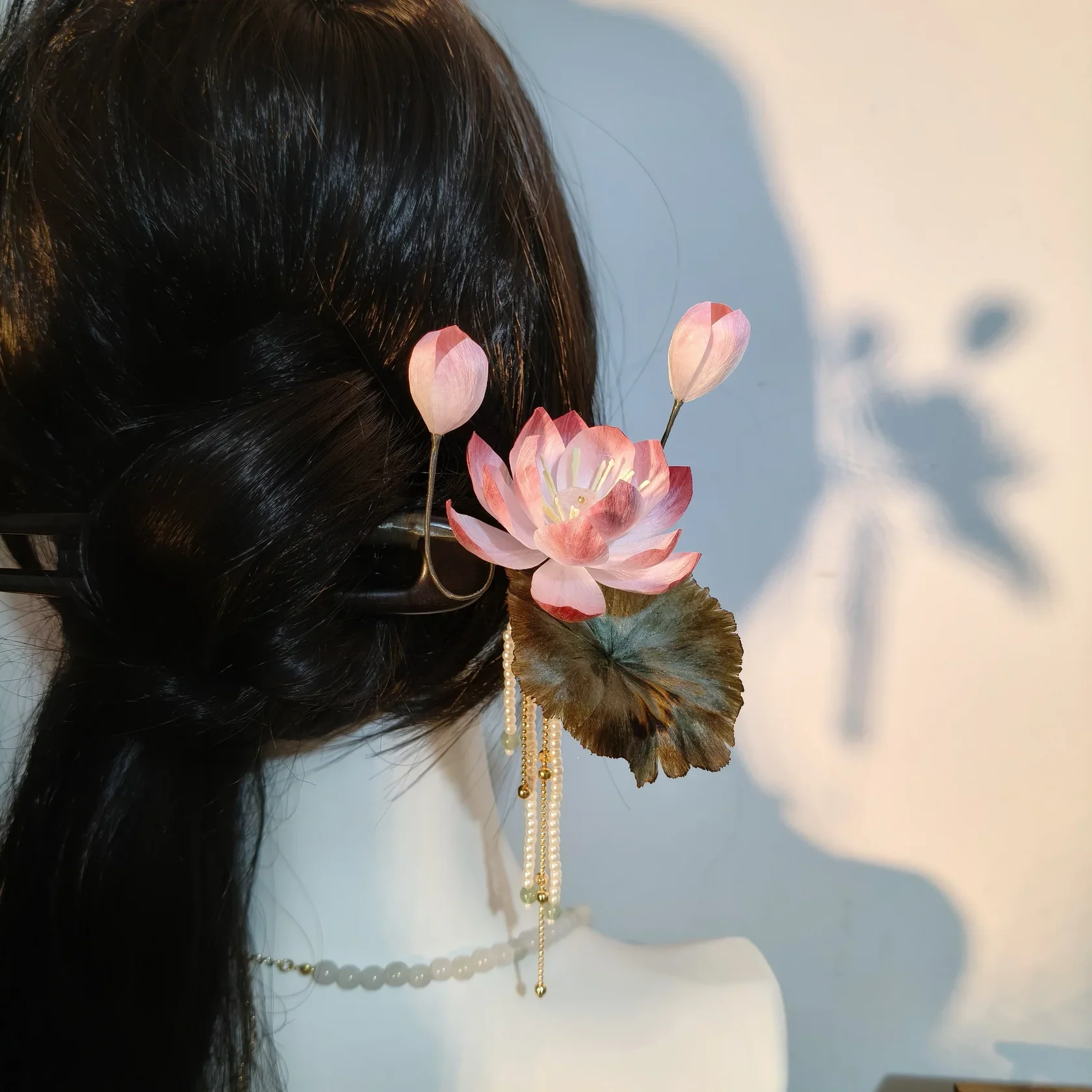
In Confucian thought, the lotus represented uprightness and moral integrity. In Buddhism, it symbolized spiritual awakening and the path to Nirvana. These different interpretations share an appreciation for the lotus as a symbol of inner virtue and growth.
The lotus’s association with perseverance and purity makes it a meaningful symbol when embarking on a new chapter in life.
Phoenix Hairpins
The phoenix, or fenghuang, is an important motif in traditional Chinese decorative art, associated with nobility, auspiciousness, marriage, and feminine grace. Historically, the phoenix was closely connected to wealth and social status. During the Ming Dynasty, the phoenix motif was used as an insignia for empresses and women of the imperial court. Furthermore, Commoners wore phoenixes as part of their wedding attire. By the Qing Dynasty, brides outside the imperial family increasingly wore a phoenix headpiece. For ordinary civilians, the phoenix symbolized marital harmony rather than wealth or social status.
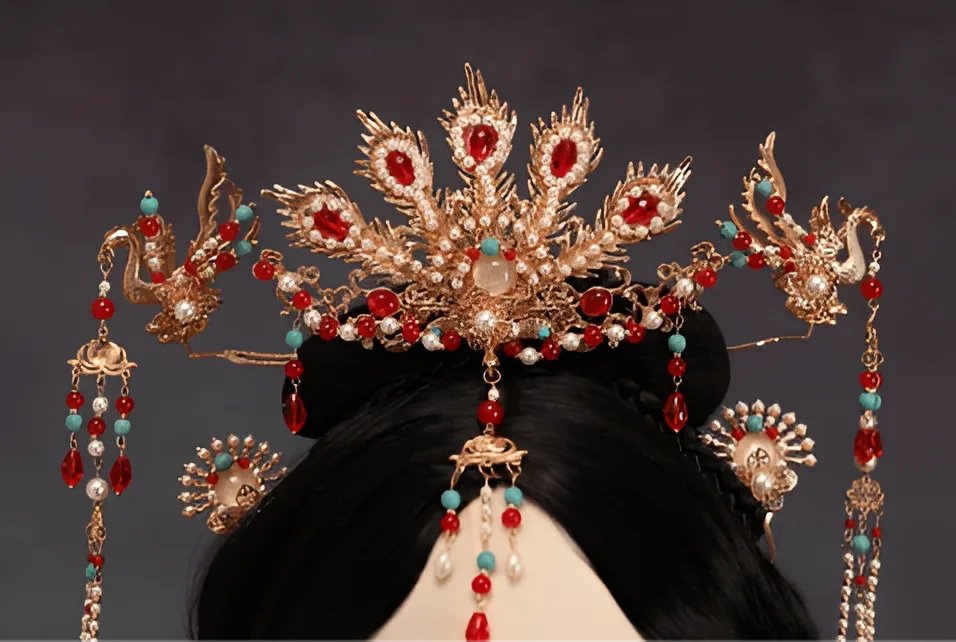
Today, some brides in China still choose the phoenix to complement a traditional Chinese wedding outfit. Phoenix-inspired hairpins offer a more understated alternative, featuring details such as flowing tail feathers, phoenix wings, dangling beads, and cloud-inspired metalwork.
Another popular wedding motif is the phoenix paired with a dragon. The dragon is associated with power and good fortune, and together the pair (龙凤, longfeng) represents balance and harmony between two partners. If you wear a phoenix hairpin, your partner might wear a dragon detail, such as embroidery on their outfit, a lapel pin, or cufflinks, so your looks echo each other.
Wearing a Chinese Hairpin Your Way
Chinese hairpins carry centuries of symbolism, and there are many ways to make one your own. Here are a few ideas for wearing yours with a personal touch.
Pair a traditional hairpin with a Western gown
Many brides blend Chinese and Western traditions in their weddings. A slim zan or chai tucked into a low chignon or twisted updo adds a nod to tradition without competing with your dress. You can also place a pin beside your veil, or add one statement piece to a half-up style, braid, or soft curls.
Change your look throughout the day
If you’re doing a tea ceremony and a reception, you can wear a more elaborate piece for the ceremony and switch to something simpler with your gown afterward. Let your artist know ahead of time so they can plan how each pin will be anchored.
Use a family heirloom
A family heirloom hairpin can be a meaningful “something old” to complete your bridal look. If you don’t have a hairpin to pass down, a jeweler can often reset another piece of family jewelry into one.
Personalize with flowers and gemstones
Choose a flower or gemstone tied to a birth month, whether it’s yours, your partner’s, or a family member’s. A lily of the valley for May or a pearl for June, for example, can make a hairpin feel extra meaningful.
Finding the Right Hairpin for Your Wedding
A Chinese bridal hairpin can be as simple or as ornate as you like. Start with the style that suits your hairstyle, then choose the material and motif that feel meaningful to you, whether that’s a jade zan from a family heirloom, a gold chai, or a phoenix buyao.
Once you’ve found a hairpin you love, practice wearing it to make sure it’s comfortable. No one wants a headache on their wedding day! If you’re having a hair trial, bring your hairpin so your stylist can plan how to anchor it. Still looking for a hair stylist? Browse our directory of hair and makeup artists who are experienced with Asian hair.
Explore More Resources for the Asian Diaspora
We're excited to bring you blog posts that highlight the richness of the Asian Diaspora. We aim to create a space where you can find inspiration, tips, and stories that resonate with your unique experiences.
If you're in search of a makeup artist for your own wedding, we also have a directory of talented makeup artists who are experienced with Asian features. We hope it makes your wedding planning journey a little easier!
Find a Makeup Artist