Auspicious Wedding Dates in Chinese Culture
Luke D. • February 2, 2026
Explore how your special day can bring luck, love, and lasting happiness to your union.
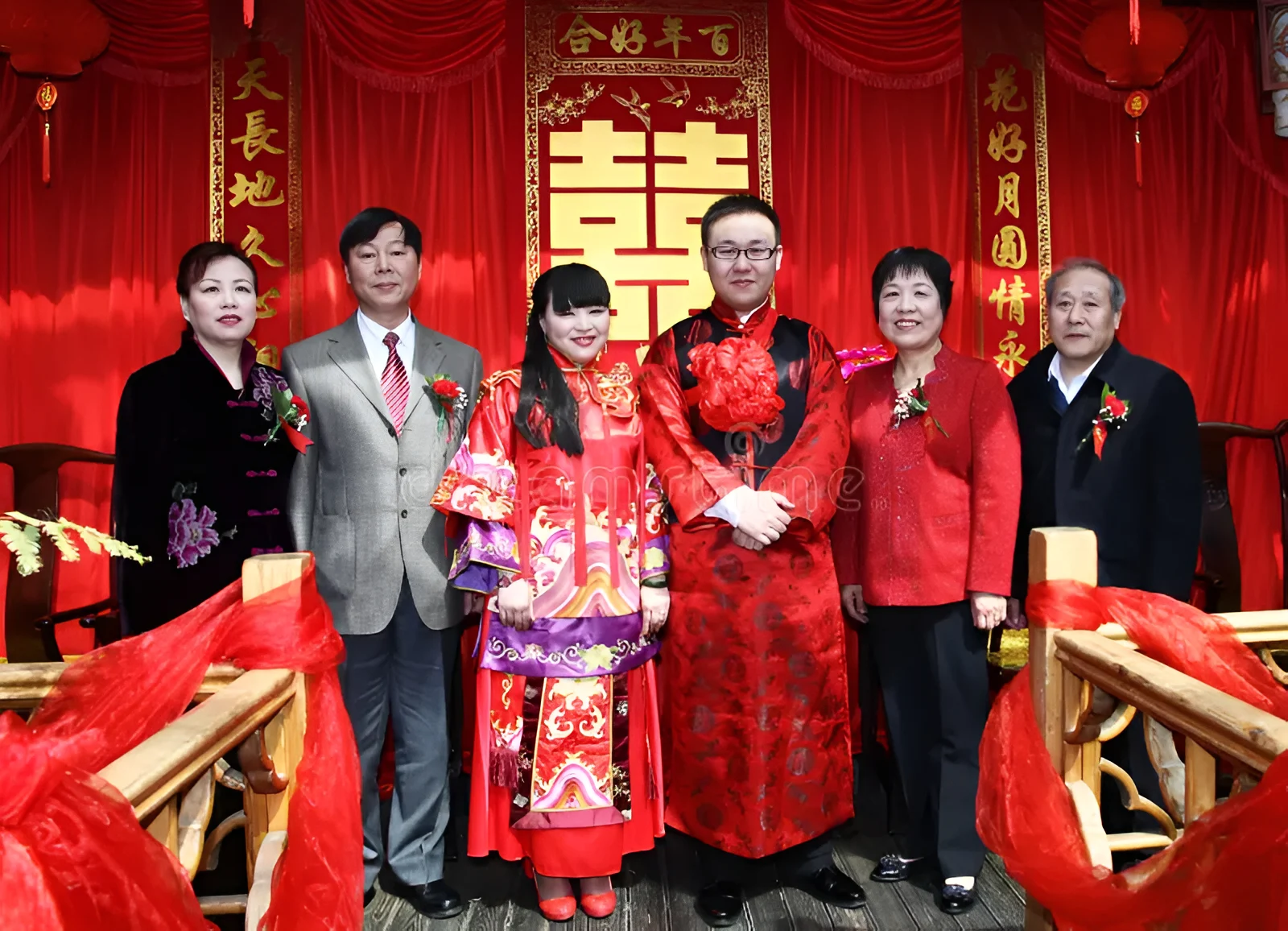
Planning a wedding? If your family celebrates Chinese traditions, there’s a good chance someone has already asked you if your wedding date is auspicious. More than just a number, the date of your wedding is believed to influence the energy and fortune of your marriage. While many Asian cultures include auspicious dates, the systems differ across cultures. For example, Hindu auspicious dates are based on Vedic astrology, while Chinese auspicious dates are rooted in Chinese cosmology, numerology, and linguistic symbolism. This guide focuses on the Chinese tradition, which has also shaped Vietnamese, Korean, and other East Asian approaches to auspicious wedding dates.
Auspicious wedding dates in Chinese culture are traditionally determined using the lunar calendar. The lunar calendar takes into account the moon’s position, star alignment, seasonal changes, and the overall energy of each day. Some couples begin by simply looking at a calendar and identifying dates that seem lucky or visually appealing, while others pay closer attention to dates that align well with their Chinese zodiac signs. Couples who want a more personalized and detailed approach can go to an expert, but that can be expensive. For a more DIY approach, there are online resources that explain principles you can use to evaluate your own dates.
Whether you are deeply rooted in cultural customs or simply curious about what makes a date “lucky”, this guide will help you understand the principles behind auspicious dates so you can choose what feels right for you.
How Feng Shui Masters Choose Auspicious Wedding Dates
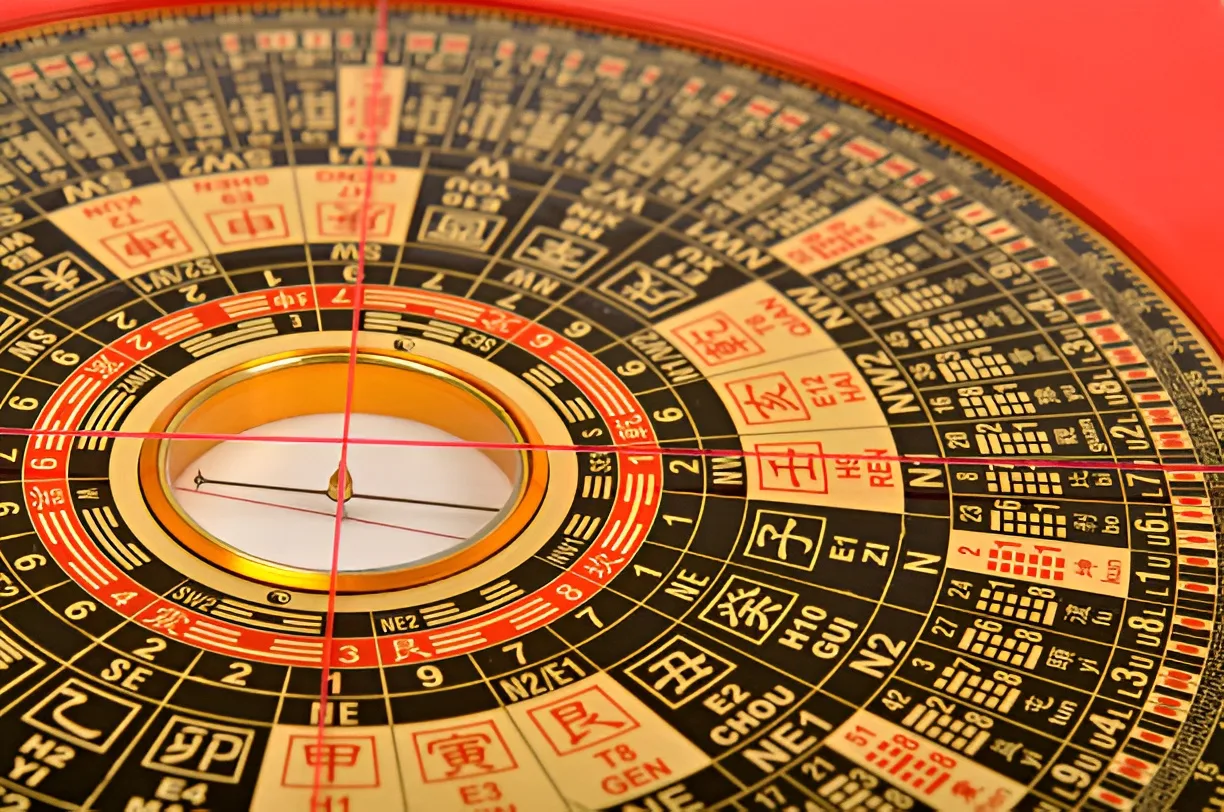
When working with an expert, the couple’s birth chart is analyzed. This chart is based on the year, month, day, and time of birth for both partners and is used to understand their elemental makeup and compatibility. The feng shui master or astrologist then looks for a wedding date that creates harmony between the couple’s zodiac signs, their elemental balance, and the Five Elements of Wood, Fire, Earth, Metal, and Water. While this process can be quite detailed, many couples find comfort in knowing that their wedding date has been thoughtfully chosen to support a harmonious marriage.
The Importance of Numbers in Chinese Wedding Date Selection
Beyond astrology, numbers themselves play an important role in choosing auspicious wedding dates in Chinese culture. Certain numbers are believed to carry positive meanings, while others are avoided. For example, in Chinese culture, the number 1 symbolizes independence and singleness; for this reason, November 11 (11/11) became China’s unofficial ‘Singles’ Day, a celebration of those not in relationships that has also evolved into a self-care shopping holiday.
For relationships, even numbers are preferred because they symbolize balance and harmony, with the notable exception of the number four. Double numbers are also considered blessings and bring luck, such as February 2 (2/2) and June (6/6). etc.
Some numbers are especially loved when it comes to wedding dates. The number 2 represents companionship and partnership, making dates that include it feel particularly romantic. This is why dates like February 2, or even the month of February itself, are often considered auspicious for weddings. The number 6 is another favorite, as it symbolizes harmony, smoothness, and love. A date like June 6 is commonly considered a lucky day to get married. August 8 is another auspicious date, since 8 represents wealth, prosperity, and success.
Sometimes, the meaning of a wedding date comes not from a single number but from how a group of numbers sounds when spoken aloud. One of the most popular examples is May 20, commonly written as 5/20. In Mandarin, the pronunciation of the numbers five, two, and zero (wǔ, èr, líng) closely resembles the phrase “I love you.” Over time, 520 became a widely used expression of love in text messages and online conversations, eventually earning May 20 the reputation of being the unofficial Chinese Valentine’s Day. Because of this romantic association, it has become a popular date for proposals, weddings, dating anniversaries, and marriage registrations.
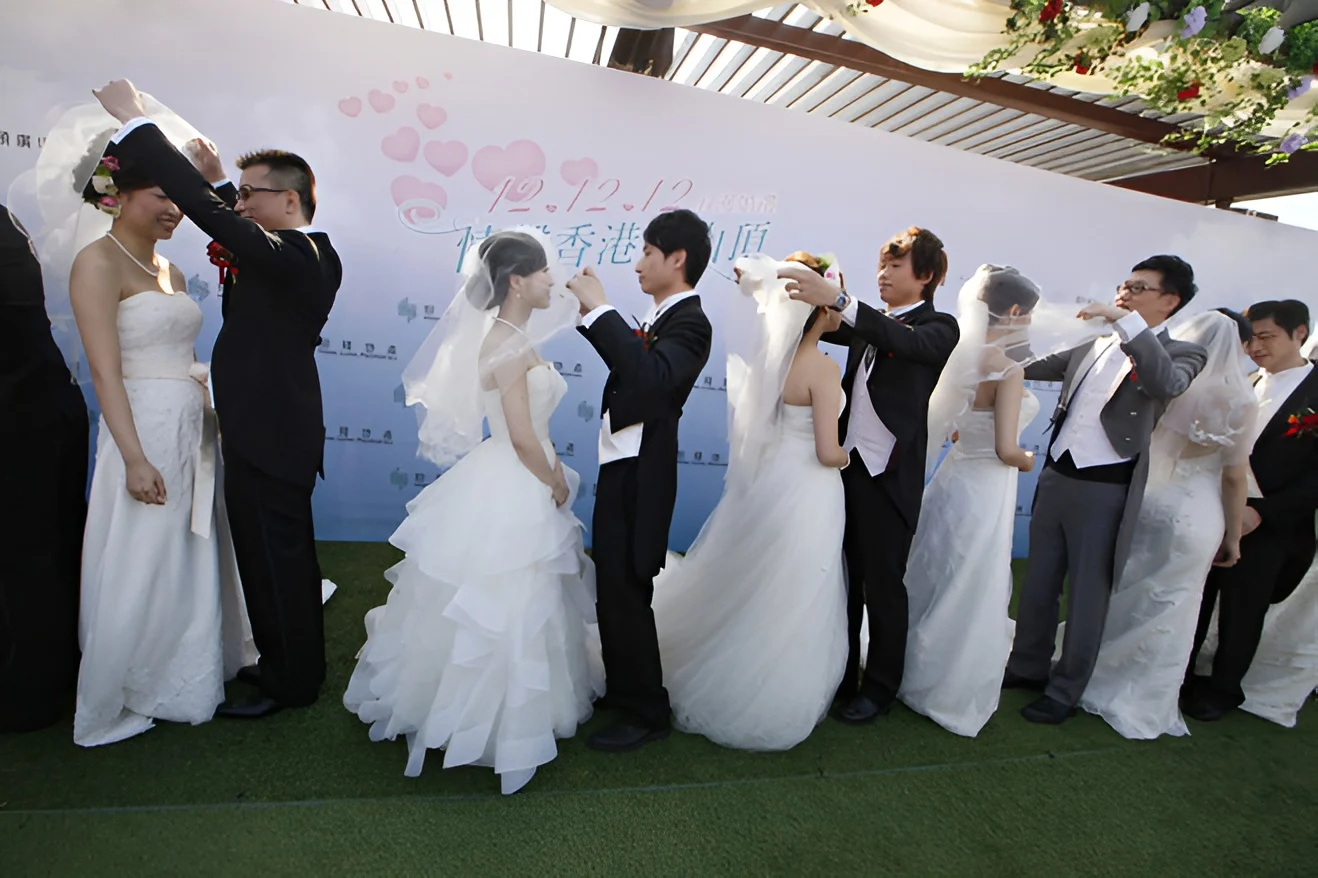
Another memorable example is December 12. In Chinese, when reading phone numbers or addresses, the number 1 is pronounced as “yāo” instead of “yī.” As a result, the number 12 is read as “yāo èr,” which sounds similar to the phrase meaning “to want love.” This symbolism reached its peak on December 12, 2012, when many couples chose to get married on 12/12/12. The repetition of the date was interpreted as a declaration of wanting love again and again, earning the day the nickname “love you forever” day. It became one of the most popular dates for weddings and marriage registrations that year.
More Resources for Auspicious Chinese Wedding Dates
You may also find specific auspicious wedding dates online, such as this Chinese Calendar here, which couples have used for wedding dates or other activities, such as engagements or moves, or this list of auspicious wedding dates here. Below is a list of some auspicious wedding dates from the online resources as well as those that were discussed above.
Auspicious Wedding Dates List
February 2, 19
March 16, 23
April 1, 22
May 6, 20
June 6, 17
July 3, 27
August 8, 12
September 15, 28
October 3, 13
November 13, 25
December 12, 24
January 5, 12
Reference
https://en.wikipedia.org/wiki/Auspicious_wedding_dates
https://www.yourchineseastrology.com/calendar/2026/
https://singaporebrides.com/auspicious_dates.php?calendar=wedding
https://www.globaltimes.cn/page/202305/1291097.shtml
https://www.bbc.com/news/world-asia-20909518
Explore More Resources for the Asian Diaspora
We're excited to bring you blog posts that highlight the richness of the Asian Diaspora. We aim to create a space where you can find inspiration, tips, and stories that resonate with your unique experiences.
If you're in search of a makeup artist for your own wedding, we also have a directory of talented makeup artists who are experienced with Asian features. We hope it makes your wedding planning journey a little easier!
Find a Makeup Artist